
The Atacama Desert in Chile is a global astronomical sanctuary, offering a crystal-clear window into the cosmos. However, as industrial expansion and energy plants encroach on these dark-sky regions, a critical question arises: Can progress and preservation coexist? The answer is a resounding yes, achieved through dark sky compliant industrial lighting. By adopting smart design and precision optics, developers can illuminate massive facilities without sacrificing the stars.
Key Takeaways
-
-
Precision Hardware: Use Full Cutoff fixtures with a U0 BUG rating to ensure 100% of light is directed downward, eliminating skyglow and glare.
-
Optimal Spectrum: Prioritize warm color temperatures (3000K or lower) or specialized Amber LEDs to minimize blue light scattering and protect local ecosystems.
-
Verified Planning: Utilize photometric studies to mathematically guarantee zero light trespass beyond property lines and meet strict industrial safety codes.
-
What is Dark Sky Compliant Industrial Lighting?
Dark sky compliance refers to outdoor lighting systems specifically engineered to minimize light pollution. For industrial sites, this means ensuring that light is a targeted resource rather than an environmental pollutant.
To meet compliance, industrial lighting must address three primary issues:
- Skyglow: The "glow" over cities that drowns out stars.
- Light Trespass: Light falling where it isn't wanted (e.g., beyond the property line).
- Glare: Uncontrolled brightness that reduces visibility and safety.
IDA Guidelines for Industrial Dark Sky Compliance
To be considered truly "dark sky compliant," an industrial lighting layout must follow these International Dark-Sky Association (IDA) guidelines:
- Use Controls: Lights should be on only when needed, via motion sensors and timers.
- Shielding: Use full cutoff fixtures to direct light downward.
- Lumen Management: Be no brighter than safety standards require.
- Color Temperature: Use warm LEDs (3000K or lower) to reduce blue light scattering.
BUG Ratings: The Metric of Compliance
While Full Cutoff is a helpful term, the lighting industry uses the BUG (Backlight, Uplight, and Glare) rating system to provide a precise measurement of light distribution.
- B (Backlight): Light directed behind the fixture (minimizing light trespass).
- U (Uplight): Light directed above the horizontal plane (minimizing skyglow). For dark sky compliance, a U0 rating is typically required.
- G (Glare): High-angle light that causes visual discomfort or safety hazards.
In industrial settings, achieving a U0 and G0/G1 rating ensures that your facility provides maximum visibility on the ground without contributing to light pollution.
How Access Fixtures Achieves Dark Sky Compliance
Navigating the technical requirements of dark sky ordinances can be daunting. Access Fixtures bridges the gap between high-output industrial needs and environmental stewardship through four key methods:
1. Full Cutoff and Fully Shielded Fixtures
Access Fixtures provides a wide array of full-cutoff lighting, including wall packs and parking lot poles. These fixtures prevent any light from emitting above the 90-degree horizontal plane, ensuring zero "uplight" into the atmosphere.
2. Wildlife-Friendly Amber LEDs
Blue light is the primary contributor to skyglow. Access Fixtures offers specialized Amber LED (590nm) and 2200K ultra-warm lighting. These are essential for developments near observatories or ecologically sensitive zones, like sea turtle nesting beaches.
3. Precision Photometric Planning
Compliance cannot be achieved by guesswork. Access Fixtures utilizes advanced photometric studies to create a digital map of light distribution before a single bolt is turned. This guarantees:
- Standard-compliant footcandles for safety.
- Zero light trespass across property lines.
4. Advanced Industrial Controls
To meet the "only when needed" requirement, Access Fixtures integrates microwave motion sensors and programmable dimming. This allows an industrial plant to remain brightly lit during shift changes but dim down automatically during low-activity hours.
The Path Forward: Development Without Darkness
The challenge in the Atacama Desert is a microcosm of a global issue. We do not have to choose between industrial safety and the Milky Way. By partnering with experts in dark sky compliant industrial lighting, developers can protect our astronomical heritage while building the infrastructure of the future.
Ready to bring your facility into compliance? Contact Access Fixtures for a professional photometric analysis today at 800-468-9925.
Learn more about Other Dark Sky Compliant Lighting Standards
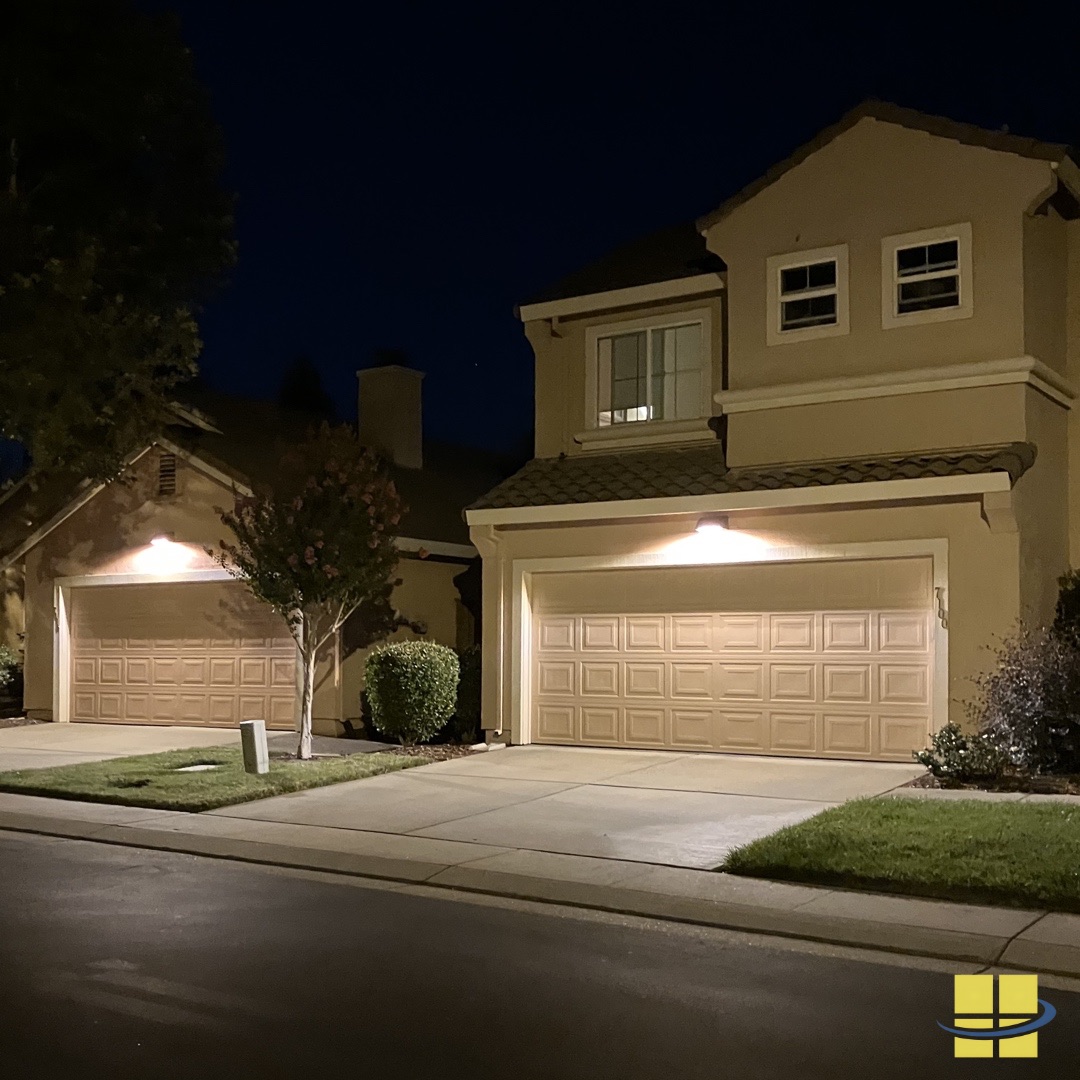
Dark Sky Compliant Lighting Case Study Using APTO LED Wall Packs
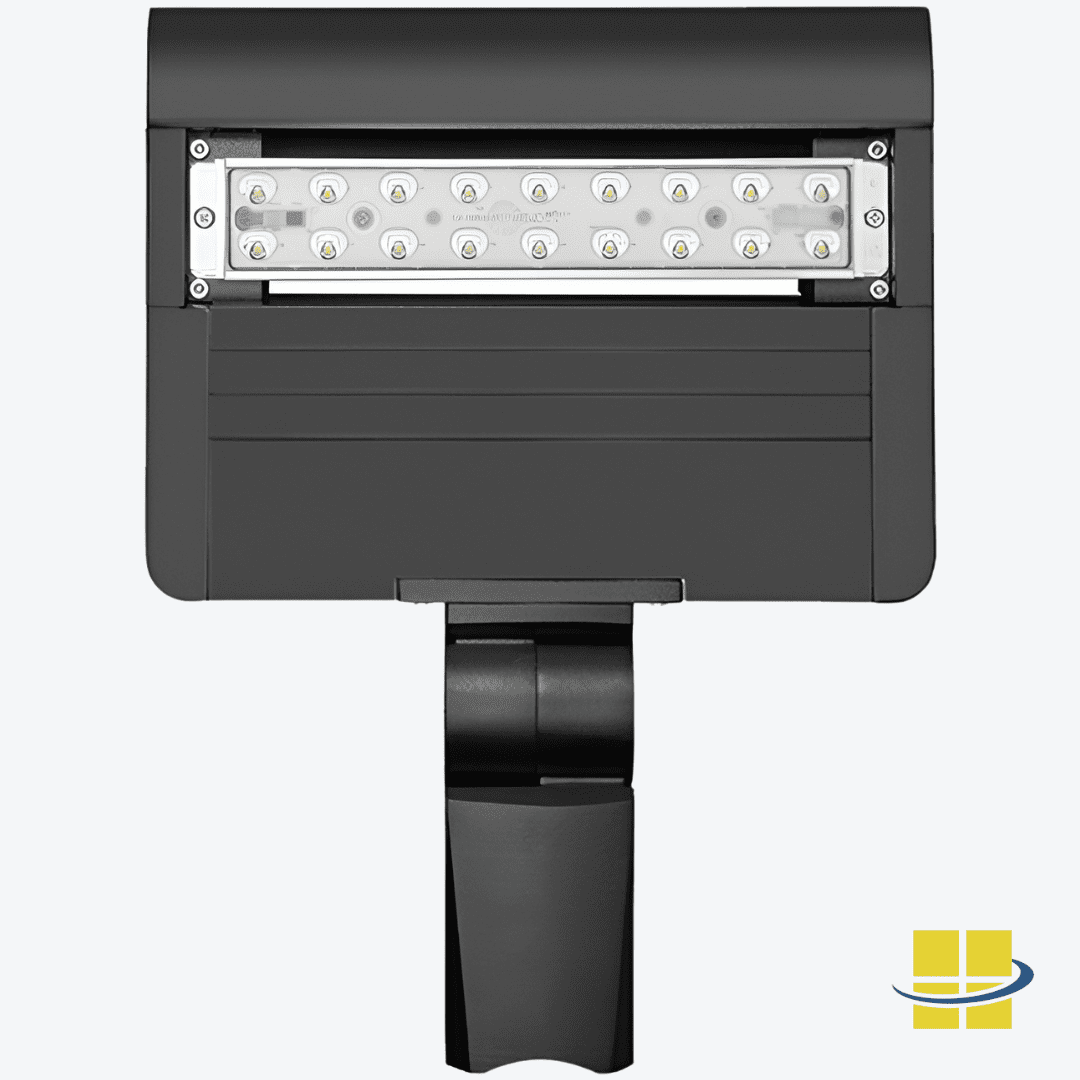
APTA - Full Cutoff LED Area and Flood Lights. Available with 3000 Kelvin LEDs
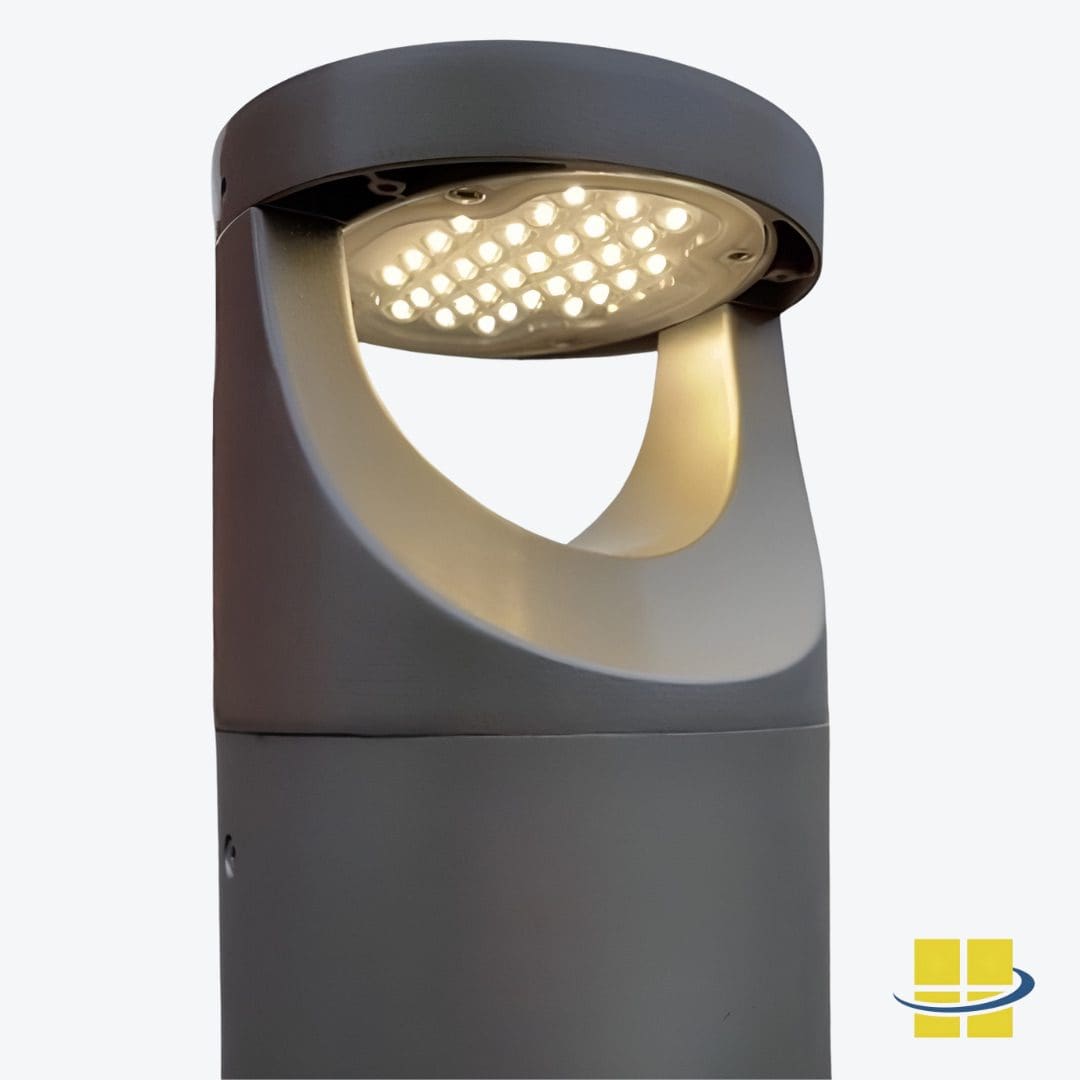
ARCI - Full Cutoff LED Bollard Light. Available with 3000 Kelvin LEDs and 590nm Amber LEDs. B0, U0, G0

Conclusion
The tension between industrial progress and the preservation of our night skies is a solvable challenge. As we’ve seen in the Atacama Desert, the cost of "progress" doesn't have to be the loss of our view of the universe. By implementing dark sky compliant industrial lighting, companies can fulfill their safety and operational requirements while acting as environmental stewards.
Through the use of full cutoff fixtures, amber LED technology, and precision photometric planning, Access Fixtures provides the tools necessary to bridge this gap. We can illuminate our path forward without fading the stars, proving that smart design is the ultimate catalyst for sustainable development.
Frequently Asked Questions (FAQs) About Dark Sky Compliant Industrial Lighting
What makes an industrial light "Dark Sky Compliant"?
To be compliant, a fixture must be fully shielded (Full Cutoff), emitting 0% light above the 90-degree horizontal plane. It must also feature a warm color temperature (3000K or lower) and utilize smart controls like motion sensors to ensure illumination is only active when necessary for safety or operations.
What is a BUG rating, and why does it matter?
BUG stands for Backlight, Uplight, and Glare. It is the IES/IDA standard for measuring light distribution. For dark sky compliance, industrial facilities typically require a U0 rating (zero uplight). Monitoring the "G" (Glare) rating is also critical for industrial safety to prevent blinding operators or drivers.
Why is blue light harmful to the night sky?
Blue light has a short wavelength that scatters easily in the atmosphere, creating skyglow that obscures stars. In industrial applications, high-blue-light (5000K+) also disrupts circadian rhythms and affects local wildlife. Dark sky standards require 3000K or lower, or specialized Amber LEDs for sensitive ecological zones.
Do dark sky fixtures provide enough light for industrial safety?
Yes. Compliance is about precision, not dimness. By using photometric studies, we ensure that high-traffic areas meet OSHA and IES footcandle requirements exactly where needed. By eliminating "wasted" light that spills upward or outward, we actually improve visibility and contrast on the ground.
What is a "Full Cutoff" fixture?
A full cutoff fixture is designed so that no light is emitted at or above the 90-degree horizontal plane (the nadir). This ensures all lumens are directed downward toward the work surface, effectively eliminating light pollution and reducing energy waste.
How do I meet local dark sky ordinances for a new development?
The most reliable method is performing a professional photometric analysis during the design phase. This digital map provides documented proof to local regulators that your lighting plan maintains zero light trespass beyond property lines and adheres to mandated BUG ratings.