

Switching to exterior lights led can slash your outdoor lighting energy costs by up to 80% while providing superior illumination that lasts decades. With LED technology offering lifespans ranging from L70 at 50,000 hours to over L70 at 600,000 hours with Access Fixtures LED light fixtures, it’s no wonder property owners and facility managers are making the switch to energy-efficient led outdoor lights.
There is a wide variety of outdoor LED lighting fixtures available, each with unique features and benefits. The design of these fixtures not only improves functionality but also complements outdoor spaces and enhances the architectural appeal of your property. For residential applications, exterior LED lights can be used to highlight landscaping, improve security, and enhance both the aesthetics and functionality of a house.
This comprehensive guide covers everything you need to know about outdoor led lighting, from understanding different fixture types to calculating long-term savings and choosing the right solution for your specific outdoor spaces.
Key Takeaways
-
-
LED exterior lights offer exceptionally long lifespans, with some fixtures rated over L70 at 600,000 hours
-
Energy-efficient LED outdoor lighting reduces electricity costs by up to 80%
-
IP65 or higher rating ensures protection against dust and water for wet conditions
-
Professional-grade LED fixtures provide reliable operation for decades
-
Smart LED exterior lights offer app control, color-changing capabilities, and automated scheduling
-
Introduction to Outdoor Lighting
Outdoor lighting plays a vital role in transforming the look and feel of your outdoor spaces, while also boosting safety and functionality. With the rise of advanced technology, outdoor LED lighting fixtures have become the go-to solution for both homeowners and businesses seeking efficient, reliable, and attractive lighting options. LED lights are celebrated for their longer lifespan, significantly reducing the need for frequent maintenance and replacements. This not only saves time but also helps lower energy costs, making them a smart investment for any property.
Whether you want to highlight your landscape, illuminate pathways, or brighten up a parking lot, there’s a wide variety of outdoor LED lighting fixtures to choose from. Flood lights are perfect for casting bright, even light across large areas, while landscape lights can accentuate gardens and walkways, creating a welcoming atmosphere. Canopy lights are ideal for covered outdoor spaces, providing consistent illumination where it’s needed most. With so many options available, it’s easy to find the right fixtures to enhance your outdoor space, improve safety, and add curb appeal, all while enjoying the benefits of energy-efficient LED lighting.
Benefits of Exterior LED Lighting
Energy Efficiency That Transforms Your Bills
Modern LED lights deliver exceptional energy efficiency that translates directly to lower energy costs. A typical LED luminaire consumes significantly less wattage per lumen produced, offering over 70% reduction in power usage per fixture compared to legacy HID systems. Exterior LED lights are available in a wide range of wattages to suit different outdoor lighting needs, allowing users to select the appropriate power level for their specific application. Current commercial-grade LED products achieve 120-180 lumens per watt, while traditional metal halide and high-pressure sodium sources typically range between 50-100 lumens per watt.
Consider this real-world example: replacing a 400W metal halide pole light with a 100W LED saves 300W per fixture per operating hour. Over a year with 12 hours of nightly operation, this translates to over 1,300 kWh in energy savings, equaling more than $150 in annual electricity cost reductions per fixture at $0.12/kWh rates.
Extended Lifespan Reduces Maintenance Headaches
The longer lifespan of exterior led lighting fixtures dramatically reduces replacement frequency and maintenance expenses. Access Fixtures LED light fixtures range from L70 at 50,000 hours to over L70 at 600,000 hours, far surpassing traditional incandescent lamps and even many commercial LED alternatives. This extended operation is particularly valuable for installations in high or hard-to-reach locations like street poles and tall building facades, where maintenance truck rolls and labor costs add up quickly.
Superior Light Quality for Enhanced Security
Modern LED lighting has solved previous concerns about color rendering and output quality. Advanced outdoor led lighting fixtures often feature color rendering index (CRI) ratings of 70 or higher, with premium offerings reaching 80-90 for superior visual clarity. Color temperature options range from 2700K warm white up to 6000K daylight, with field-adjustable fixtures available for configurable ambiance to meet specific safety and security requirements.
The instant-on capability and excellent directional control of LED lights improve reliability for security-sensitive applications such as building entrances, parks, and parking lots. Unlike traditional fixtures that require warm-up time, LEDs maintain full light output instantly upon activation, making them ideal for motion sensor integration and emergency lighting scenarios.
Environmental Benefits Beyond Energy Savings
Led outdoor lights contain no mercury or hazardous waste elements, unlike many traditional lighting technologies. The significant reduction in maintenance truck rolls and landfill waste from spent bulbs and fixtures further enhances environmental benefits. Since outdoor LED lighting requires substantially less electricity, associated CO2 emissions are reduced throughout the power generation chain.
Weather Resistance Built for Durability
Quality exterior lighting led fixtures generate less heat and operate effectively across wide ambient temperature ranges. Industrial-rated housings provide robust resistance to humidity, dust, and extreme weather conditions, especially when carrying IP65, IP66, or IP67 ratings that ensure long-term performance in challenging outdoor environments.
Types of Exterior LED Lights
Understanding the different categories of outdoor lights helps you choose the right solution for your specific outdoor space requirements and applications. Fixtures are available in a variety of finishes such as black and bronze, and include options like bollards for pathway and landscape lighting.
Floodlights and Area Lighting
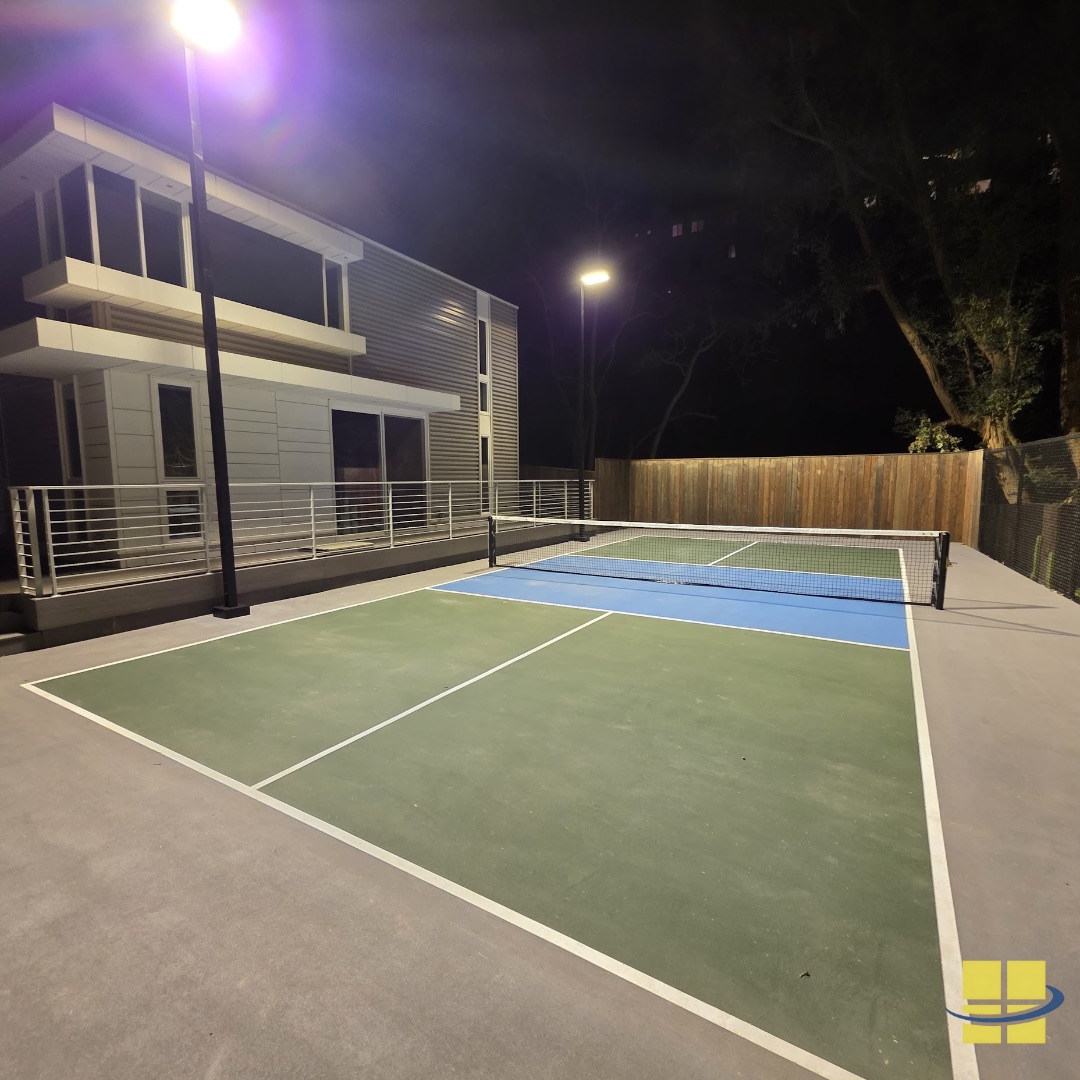
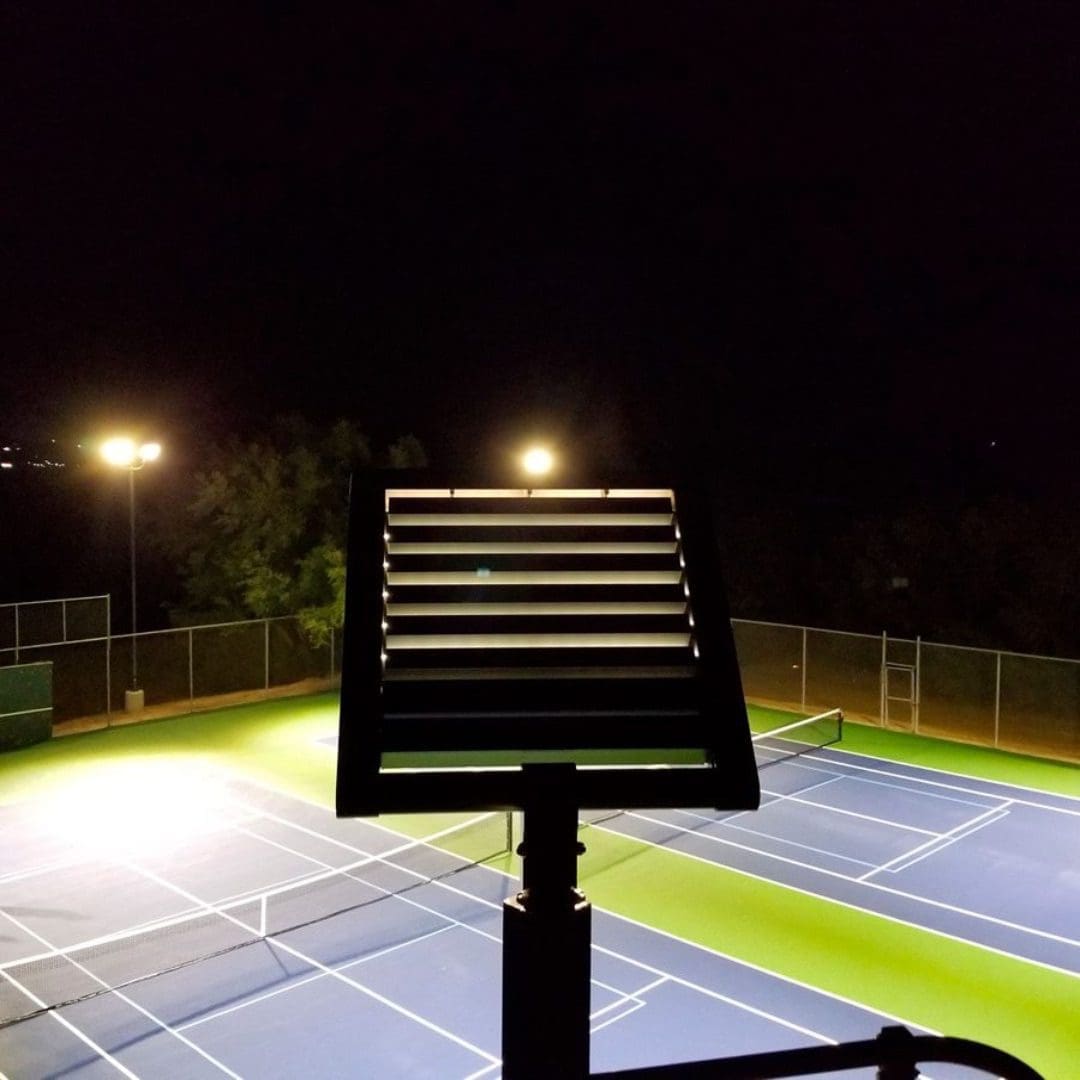
Led flood lights represent the workhorses of commercial and industrial outdoor lighting. These fixtures range from 78W up to 500W or higher, capable of replacing 400W to 1,500W metal halide area lights for sports facilities, parking lots, and large commercial properties. Modern flood lights provide engineered beam spreads including Type II, III, IV, and V distributions for tailored light coverage patterns.
Field-adjustable models enable on-site control of wattage output and color temperature, supporting versatility for different applications and compliance requirements. These professional grade fixtures often feature integrated photocells and motion sensors for automated operation, making them ideal for wide area illumination where security and safety are priorities.
Wall Pack Lights
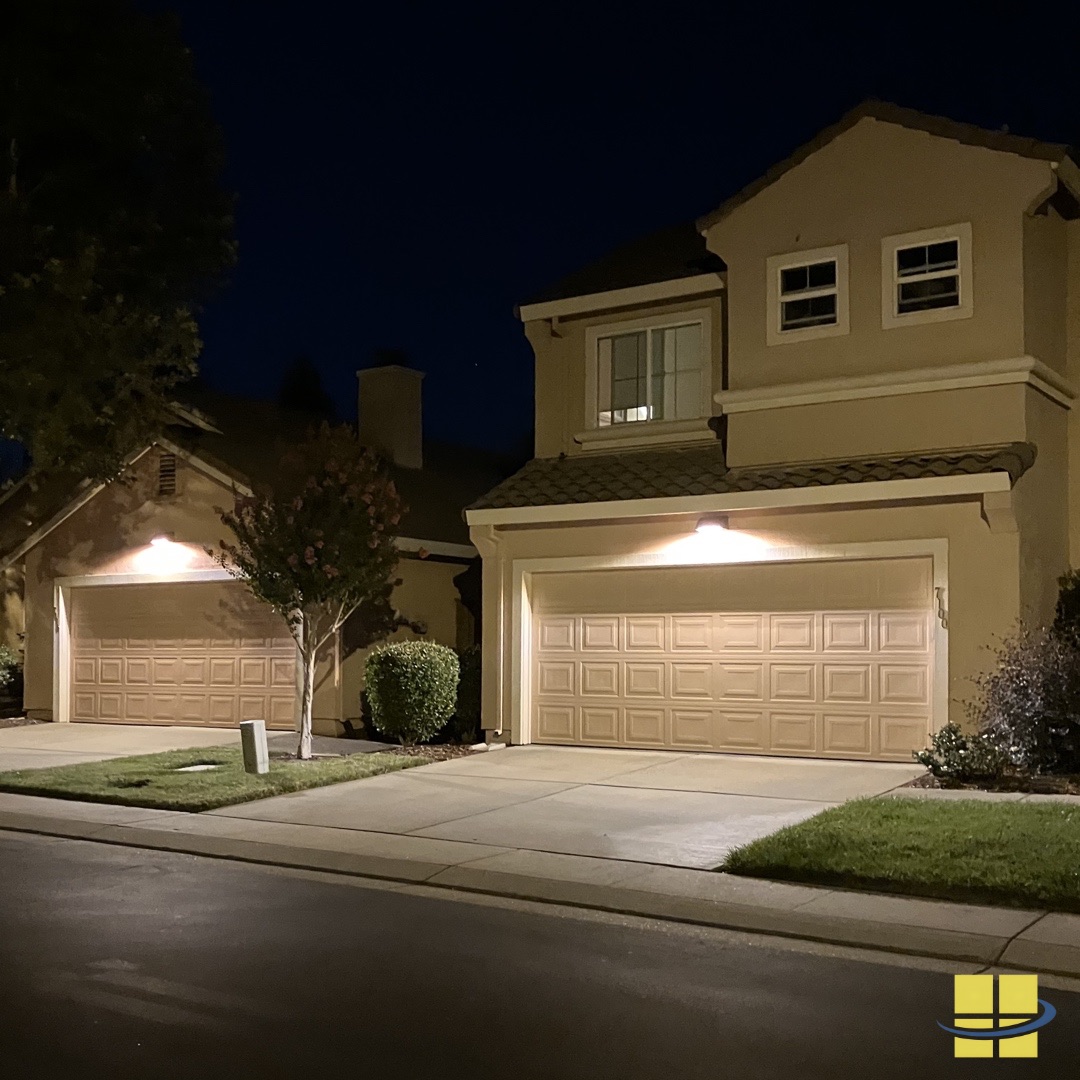
Wall pack fixtures mount directly to building exteriors and range from 30W to 139W, designed for commercial, educational, and industrial facilities. Traditional “shoebox” style and modern slim-profile designs both offer effective wall-mounted outdoor lighting solutions. Exterior LED lights can be installed on or around walls to enhance both security and the visual appeal of outdoor spaces, highlighting architectural features and creating ambiance. Full cutoff wall packs prevent uplight for compliance with dark-sky policies, reducing light pollution while focusing illumination downward where needed.
Some models include vandal-resistant housings and polycarbonate lenses for high-risk areas, while others feature adjustable mounting systems that allow precise aiming after installation. These fixtures work well for building perimeters, loading docks, and entrance areas where consistent illumination enhances both safety and security.
Landscape and Pathway Lighting
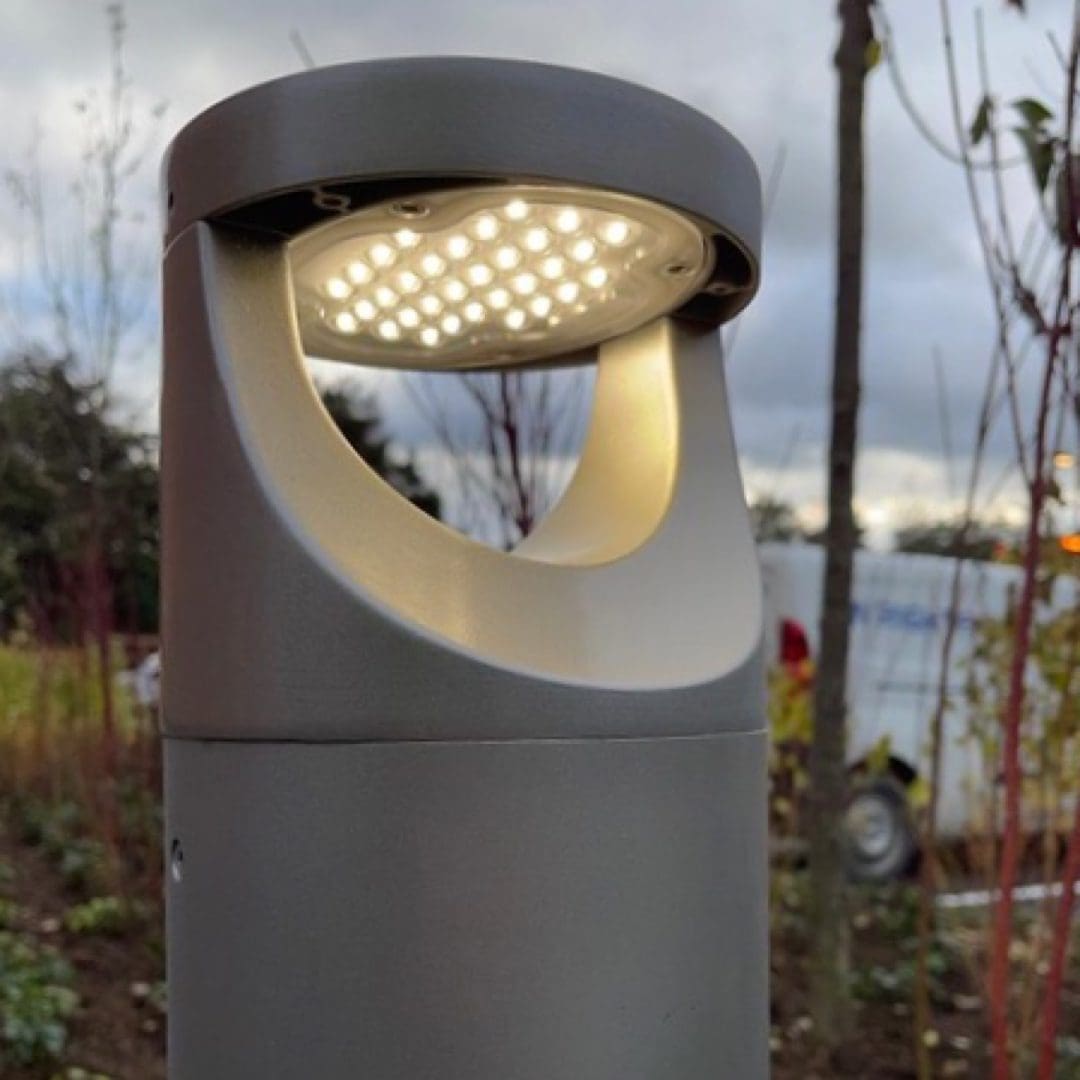
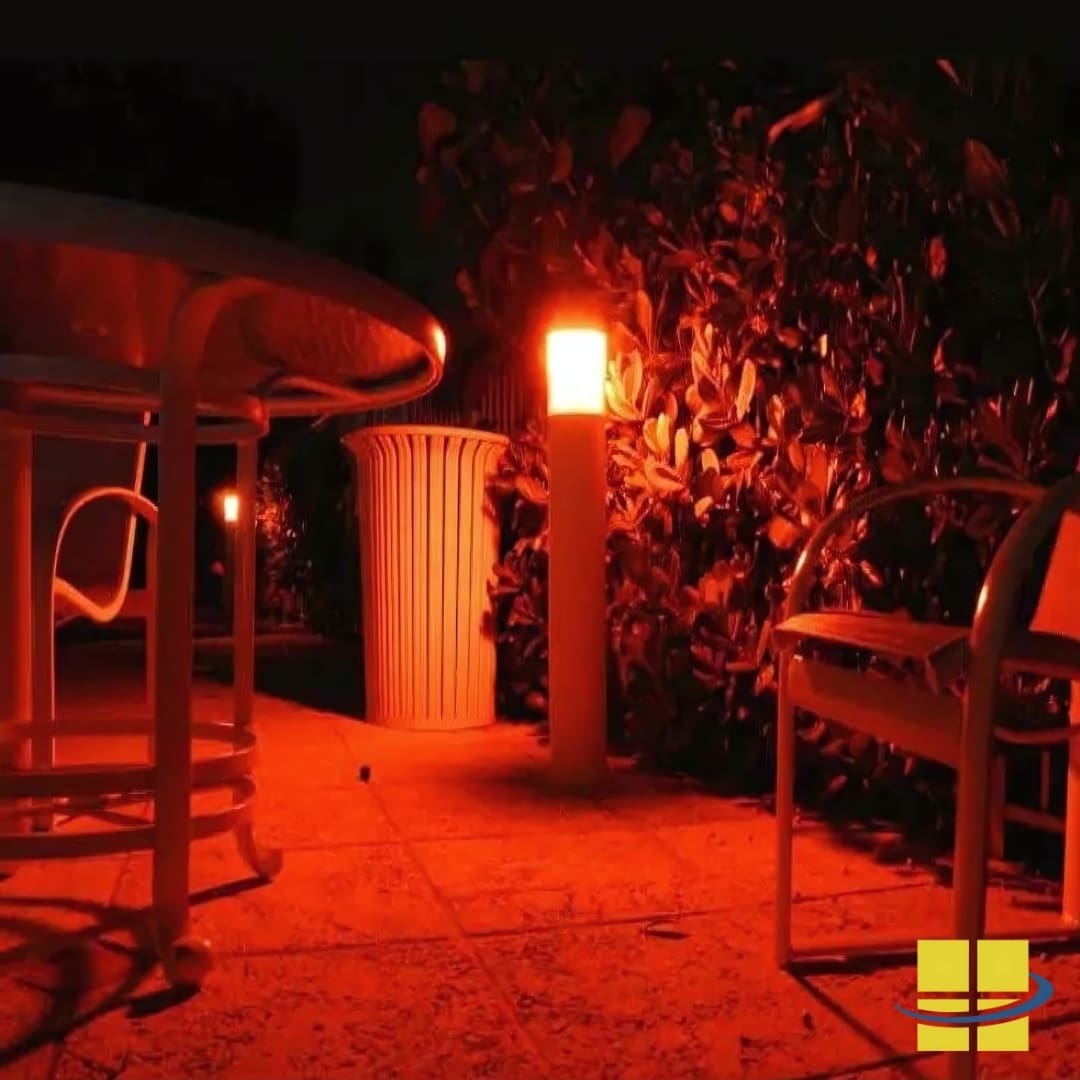
Landscape lights encompass a wide variety of specialized fixtures for residential and commercial outdoor spaces. Bollard fixtures illuminate driveways and pathways, while low-voltage micro-floods highlight hardscapes and architectural features. Architectural style outdoor LED light families include BOST, TEME from Access Fixtures that seamlessly integrate into gardens and outdoor areas.
Solar-powered options provide off-grid solutions for remote pathways and garden areas, while low-voltage 12V and 24V systems remain popular for residential installations due to their safety and easy installation. These lights enhance both property value and nighttime navigation while providing accent lighting that transforms outdoor areas into inviting spaces.
Outdoor Lighting Safety Features
Safety is a top concern when it comes to outdoor lighting, and today’s outdoor LED lighting fixtures are designed with this in mind. Many outdoor lights come equipped with advanced safety features such as photocells for automatic dusk-to-dawn operation, and cutoff designs that direct light precisely where it’s needed, reducing glare and light pollution. Durable construction ensures these fixtures can withstand harsh weather conditions, providing reliable performance year-round.
For added security, many outdoor LED lights include motion sensors that activate bright illumination when movement is detected, helping to deter intruders and increase visibility around your property. Choosing professional grade, outdoor-rated fixtures means you’re investing in lighting that’s built to last and designed to provide consistent, safe illumination. By installing high-quality outdoor LED lighting, you not only enhance the safety and security of your property but also create a more inviting environment for family, guests, or customers. With the right fixtures, you can enjoy peace of mind knowing your outdoor spaces are well-lit, secure, and welcoming.
Commercial and Industrial Applications
Professional outdoor led lighting fixtures meet demanding requirements across various commercial and industrial sectors with specialized features and certifications.
Hazardous Location and Industrial Specifications
Class I Div 2 hazardous location-rated led fixtures serve oil and gas facilities, chemical plants, and industrial sites where explosive atmospheres may be present. These specialized fixtures meet strict safety standards while providing the energy efficiency and longer lifespan benefits of LED lighting technology.
Vapor-tight linear fixtures protect against moisture and contaminants in car washes, food processing plants, and utility corridors. These durable fixtures maintain performance in environments where traditional lighting would fail due to exposure to chemicals, humidity, or extreme temperatures.
Parking Structure and Street Lighting
Parking garage fixtures often feature integrated motion sensors and daylight controls for occupancy-based dimming, reducing energy costs during low-traffic periods. These systems automatically adjust light levels based on usage patterns while maintaining adequate illumination for safety and security.
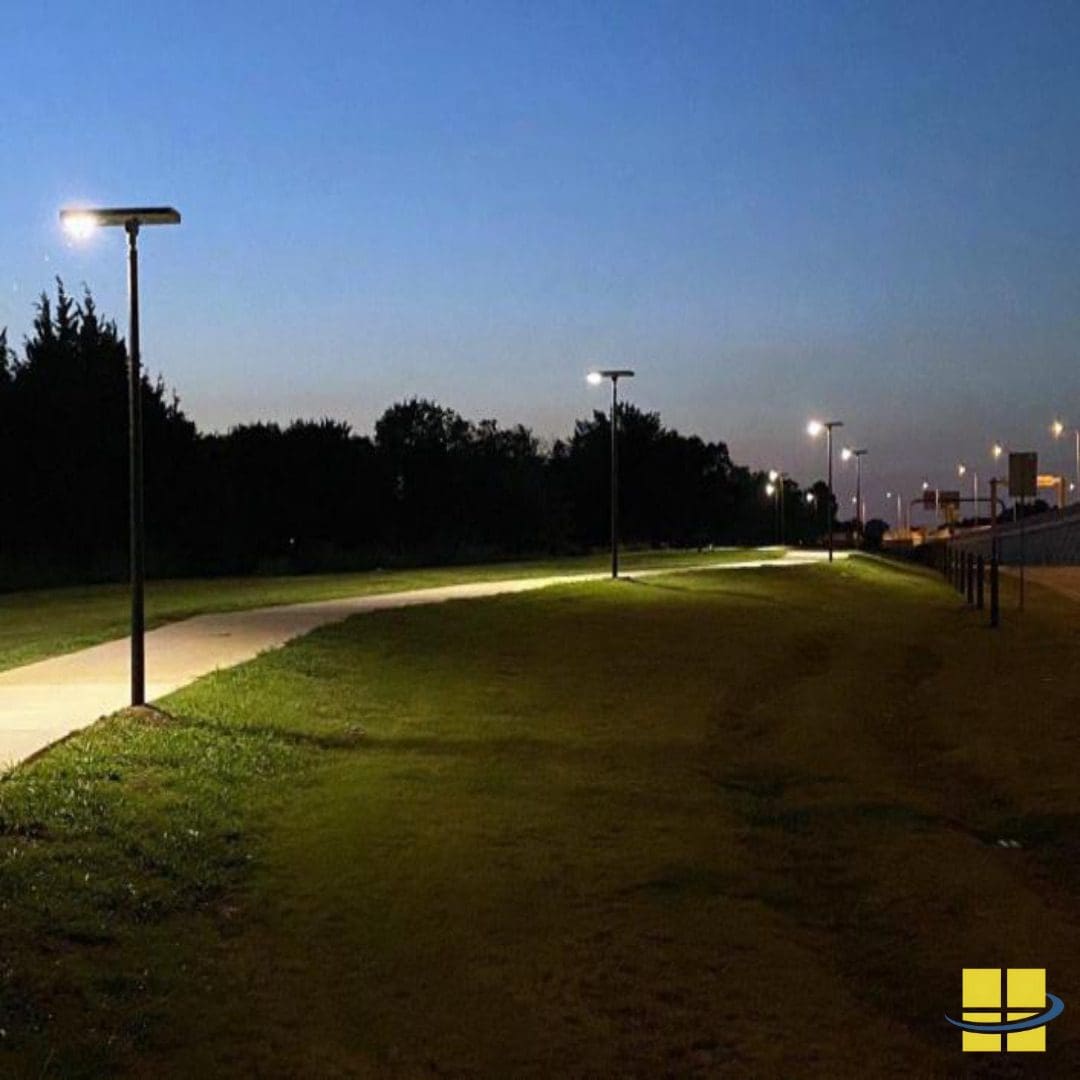
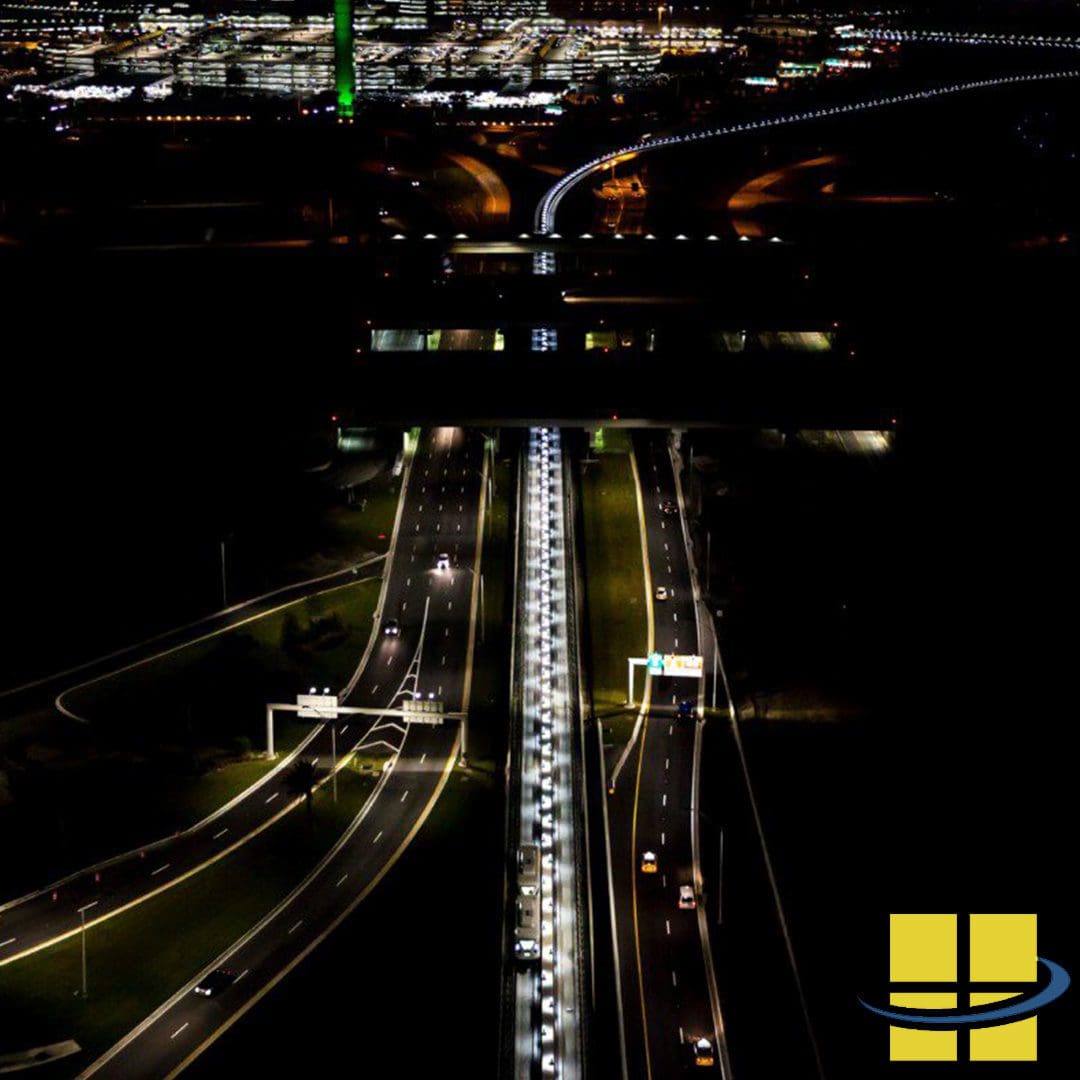
Street and roadway fixtures enhance traffic safety with programmable photometrics designed to increase visibility for both vehicles and pedestrians. Modern LED streetlights can be networked and controlled remotely, allowing municipalities to optimize energy usage and maintenance schedules across entire lighting systems.
Canopy and Soffit Applications
Canopy lights brighten building entrances, gas stations, and drive-through areas where overhead protection requires specialized mounting configurations. These fixtures often feature drop lens designs that distribute light evenly across covered areas while providing easy access for maintenance when needed.
Soffit-mounted fixtures integrate into building overhangs and architectural elements, providing both functional illumination and aesthetic enhancement. These applications require careful consideration of mounting methods and weather protection to ensure long-term performance in exposed outdoor environments.
Installation and Technical Considerations
Successful exterior lighting led installations require attention to several technical factors that determine both performance and longevity. When mounting exterior LED lighting fixtures, it is important to ensure compatibility with standard electrical boxes or junction boxes to provide secure and compliant installation.
IP Rating Requirements for Outdoor Conditions
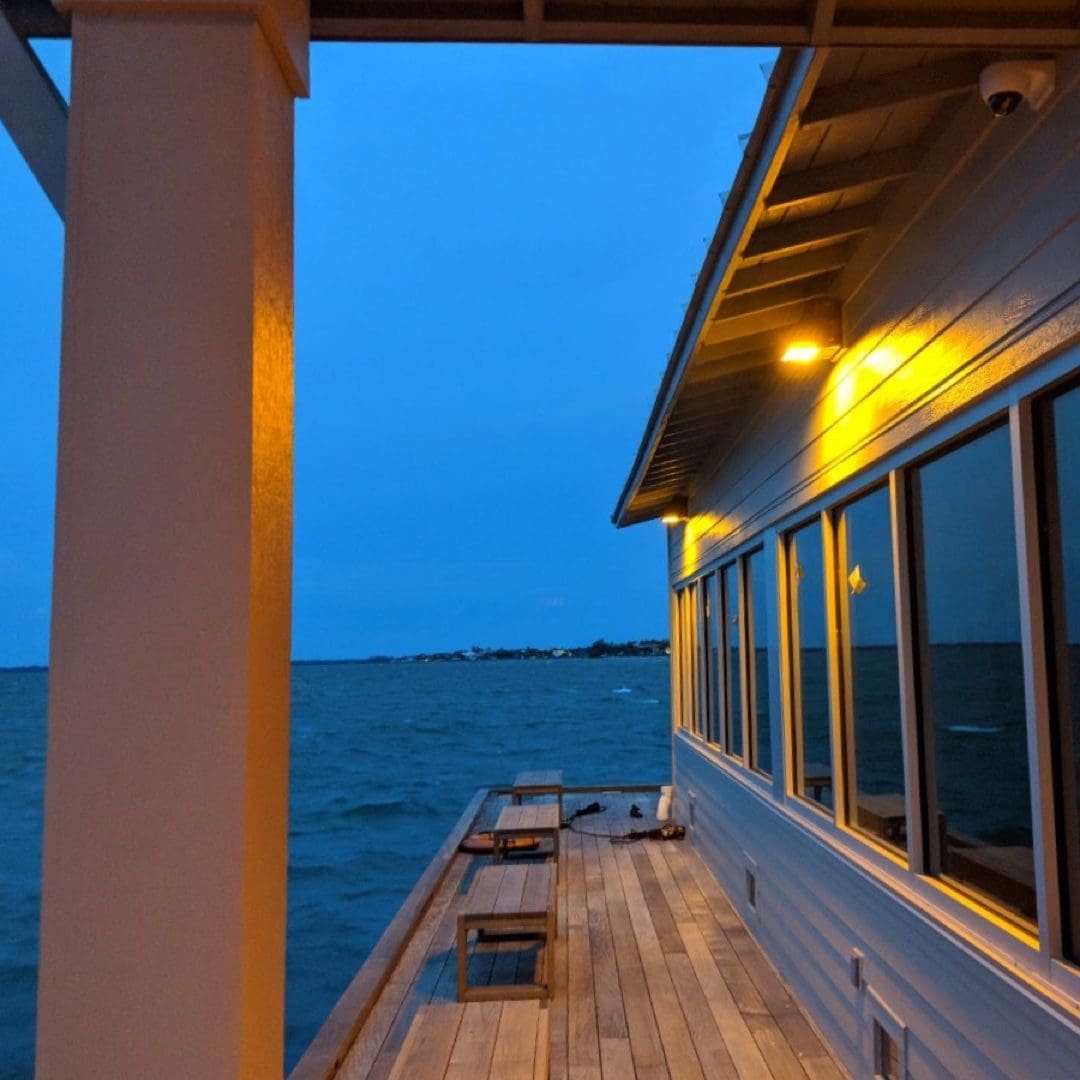
The IP (Ingress Protection) rating system defines a fixture’s resistance to dust and water intrusion. IP65 represents the minimum standard for most outdoor applications, providing protection against dust and pressurized water jets suitable for typical wet outdoor conditions. Marine environments, flood-prone areas, or extreme industrial settings may require IP66, IP67, or IP68 ratings for enhanced protection.
Understanding these ratings helps you choose fixtures that will provide reliable operation in your specific climate and environmental conditions. Higher IP ratings typically involve more robust sealing systems and may affect both initial cost and long-term maintenance requirements.
Wattage Selection and Coverage Planning
Matching wattage and lumens to area size and brightness requirements involves consulting photometric diagrams and coverage calculators provided by manufacturers. Professional installations benefit from detailed lighting plans that account for mounting height, spacing, and overlap patterns to achieve uniform illumination without dark spots or excessive brightness variations.
Field-adjustable fixtures offer flexibility to fine-tune output after installation, accommodating changes in usage patterns or compliance requirements. This adaptability proves valuable for retrofit projects where existing mounting locations may not align perfectly with optimal coverage patterns.
Color Temperature and Control Options
Color temperature selection affects both visual comfort and functional performance. Warm white around 2700K suits hospitality and residential applications, while neutral 3500-4100K provides good general visibility for most commercial uses. Daylight or cool white temperatures work well for security applications and industrial environments where task visibility is critical.
Photocells enable automatic dusk-to-dawn operation, while motion sensors provide occupancy-triggered lighting that minimizes energy waste during low-activity periods. Smart controls with app connectivity allow remote scheduling, dynamic color programming, and system monitoring for both residential and commercial installations.
Professional Installation vs DIY Considerations
While low-voltage landscape lights and string lights often accommodate DIY installation, commercial-grade area lighting and networked systems typically require professional expertise. Electrical codes governing voltage levels, mounting requirements, and connections must be followed precisely to ensure safety and maintain warranty coverage.
Professional installation becomes essential for hazardous location fixtures, high-voltage connections, and systems requiring integration with building automation or security systems. Licensed electricians can navigate local permitting requirements and ensure installations meet all applicable safety standards.
Cost Analysis and Energy Savings
Understanding the financial aspects of exterior lights helps justify initial investments and plan for long-term operational benefits.
Initial Investment vs Long-Term Value
While LED outdoor lights carry higher upfront costs than traditional fixtures, the total cost of ownership proves significantly lower due to reduced energy and maintenance expenses. Quality commercial fixtures may cost several hundred dollars initially but eliminate frequent bulb replacements and substantially reduce energy consumption over their 50,000-plus hour lifespan.
Residential applications often see payback periods of 2-4 years, while commercial installations with longer operating hours may achieve return on investment in 1.5-3 years. The exact timeline depends on local utility rates, operating schedules, and available rebate programs.
Calculating Real-World Savings
A practical example demonstrates the savings potential: replacing a 400W metal halide fixture operating 12 hours nightly with a 100W LED alternative saves 300W per hour. Annual savings exceed 1,300 kWh, translating to over $150 in electricity cost reductions per fixture at typical residential rates.
Commercial installations with multiple fixtures and extended operating hours multiply these savings significantly. A parking lot with 20 fixtures could save over $3,000 annually in energy costs alone, before factoring in reduced maintenance expenses and avoided replacement costs.
Utility Rebates and Incentives
Many utility companies offer rebates covering 15-35% of upfront costs for LED lighting upgrades, accelerating return on investment timelines. State and federal programs may provide additional incentives, particularly for commercial and municipal projects that demonstrate significant energy reductions.
DesignLights Consortium (DLC) qualified fixtures often receive higher rebate amounts, making it worthwhile to specify certified products when available. These programs frequently have specific application deadlines and requirements, so early planning helps maximize available incentives.
Maintenance and Troubleshooting
Proper maintenance ensures exterior lights LED deliver their expected lifespan and performance benefits while minimizing service interruptions.
Regular Maintenance Requirements
Led fixtures require minimal ongoing maintenance compared to traditional lighting systems. Routine lens cleaning removes accumulated dirt and debris that can reduce light output, while annual housing and gasket inspections help identify potential water intrusion issues before they cause failures.
Functionality testing should include verification of photocell and motion sensor operation, particularly before seasonal changes when operating patterns may shift. These simple checks help identify developing problems when they’re still minor and easily corrected.
Common Issues and Solutions
Most field failures involve power supply or driver components rather than the LED elements themselves. Water intrusion due to degraded seals represents another common failure mode, particularly in fixtures that haven’t received regular maintenance attention.
Lightning surges can damage electronic components, making surge protection worthwhile for valuable installations or areas with frequent thunderstorm activity. Many commercial fixtures include built-in surge protection, but external protection may benefit entire lighting systems in high-risk areas.
Warranty Considerations and Professional Service
Manufacturer warranties typically range from 5-10 years for commercial fixtures and 2-5 years for residential products. Warranty claims usually require documentation of proper installation and maintenance, making it important to retain installation records and follow recommended service schedules.
Professional service becomes valuable when dealing with networked systems, smart controls, or high-voltage installations where specialized knowledge ensures safe and effective repairs. Many warranty repairs involve replacing driver units rather than entire fixtures, providing a more cost-effective solution for out-of-warranty failures.
Seasonal Maintenance in Harsh Climates
Regions with ice and snow require additional attention to remove debris and check for physical damage from weather events. Spring inspections should verify that mounting hardware remains secure and that lenses haven’t been damaged by ice or falling objects during winter months.
Regular cleaning becomes more important in areas with salt air, industrial pollution, or high dust levels that can accumulate on fixture surfaces and reduce both light output and heat dissipation effectiveness.
Conclusion
Investing in quality exterior lights LED transforms both your property’s security and energy efficiency while delivering decades of reliable performance. With energy savings up to 80% and lifespans exceeding 50,000 hours, LED outdoor lighting provides compelling value that extends far beyond the initial purchase price.
Whether you’re upgrading residential landscape lights or planning a comprehensive commercial lighting retrofit, understanding the technical specifications, application requirements, and long-term benefits helps ensure you choose the right solution for your specific outdoor spaces. The combination of energy efficiency, longer lifespan, and enhanced light quality makes exterior LED lighting an investment that pays dividends for years to come.
Take time to research the specific brands and fixtures mentioned in this guide, calculate potential energy savings for your property, and consult with lighting professionals to develop a comprehensive outdoor lighting plan that maximizes both performance and value. Focus on Access Fixtures' extensive range of professional-grade exterior lights led to finding fixtures that suit your specific outdoor spaces. Their products offer exceptional energy efficiency, long lifespans, and durable construction designed for various commercial and residential applications. By choosing Access Fixtures, you ensure reliable performance, excellent light quality, and support from a knowledgeable team to help you navigate your lighting project successfully.
Exterior Lights LED Frequently Asked Questions (FAQs)
What is the average lifespan of exterior LED lights?
Quality exterior LED lights typically provide 25,000 to 50,000 hours of operation, with some professional-grade fixtures exceeding these ratings. This represents 25-50 times longer service life than traditional incandescent bulbs and significantly longer than fluorescent or metal halide alternatives.
Can LED outdoor lights be used in wet conditions?
Yes, when properly rated for outdoor use. Look for fixtures with IP65 or higher ratings to ensure protection against dust and pressurized water jets. Marine environments or flood-prone areas may require IP66, IP67, or NEMA4X enclosures for enhanced protection against water intrusion.
How do I choose the right wattage for my outdoor space?
Wattage selection depends on area size, mounting height, and desired illumination levels. Consult the manufacturer's photometric planning tools or work with lighting professionals to determine appropriate fixture spacing and output levels. Field-adjustable fixtures offer flexibility to fine-tune output after installation.
What’s the difference between wall packs and floodlights?
Wall packs mount directly to vertical building surfaces and provide localized area illumination, typically for building perimeters and entrances. Flood lights mount on poles or arms to provide wide area coverage for parking lots, sports facilities, and large outdoor spaces requiring broad illumination patterns.
Are smart LED exterior lights worth the extra cost?
Smart LED fixtures justify their premium through energy-saving scheduling capabilities, remote management convenience, and customizable lighting programs. For commercial applications, remote monitoring and control can reduce maintenance costs and improve system reliability. Residential users benefit from app control and programmable color-changing features.
How much money can I save by switching to LED outdoor lighting?
Energy savings up to 80% are common when replacing traditional high-intensity discharge fixtures with comparable LED alternatives. A typical 400W metal halide replacement with a 100W LED saves over $150 annually per fixture in electricity costs, with additional savings from reduced maintenance and replacement expenses.
What IP rating do I need for my climate?
IP65 provides adequate protection for most outdoor climates, offering dust protection and resistance to water jets from any direction. Extreme environments may require IP66 for powerful water jets, IP67 for temporary submersion, or IP68 for continuous underwater applications.
Can I install exterior LED lights myself, or need a professional?
Low-voltage landscape lights often accommodate DIY installation, provided the manufacturer's instructions are followed. However, high-voltage commercial fixtures, smart networked systems, and hazardous location installations require the expertise of professional electricians to ensure safety compliance and maintain warranty coverage.