
In industrial, commercial, and warehouse lighting design, precision and performance are paramount. A single component, a light refractor, can significantly influence the direction, intensity, and uniformity of light from a high bay luminaire. This guide explores what a refractor does and how its effects are captured in photometric studies.
Key Takeaways
-
- Precise Light Control: Refractors are optics that control the light distribution from a luminaire. They shape the raw, wide output of an LED into a specific beam pattern (e.g., narrow, wide, or asymmetric) to improve efficiency and direct light where it is needed.
- Improved Glare Control and Comfort: By directing light downward and shielding high-angle brightness, a prismatic refractor can significantly improve visual comfort and lower glare ratings (UGR), a critical factor in occupant productivity and safety.
- Photometric Validation Required: Adding or changing a refractor creates an entirely new luminaire from a performance standpoint. Its impact must be analyzed through a professional photometric study to ensure design compliance and real-world performance.
Understanding Light Refractors
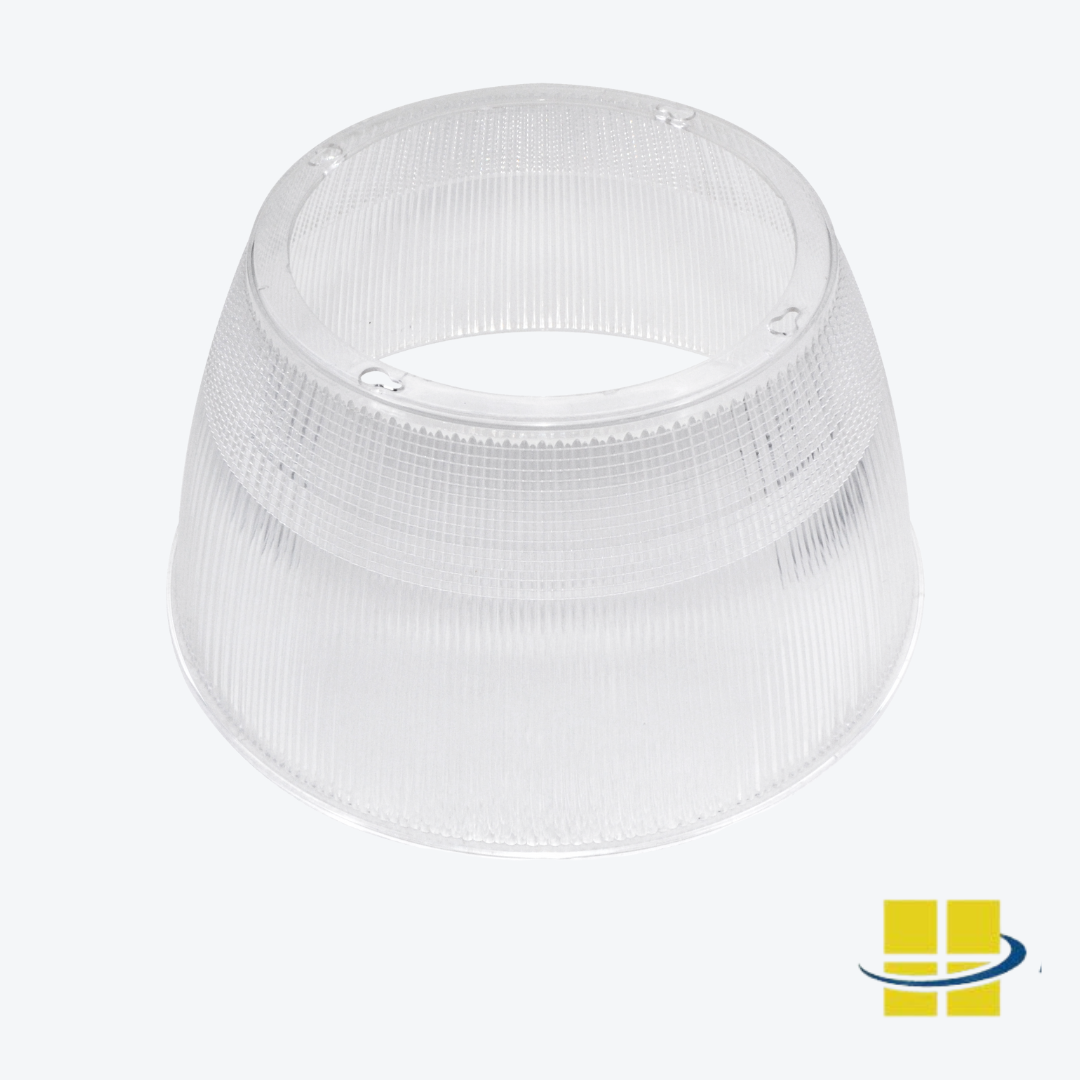
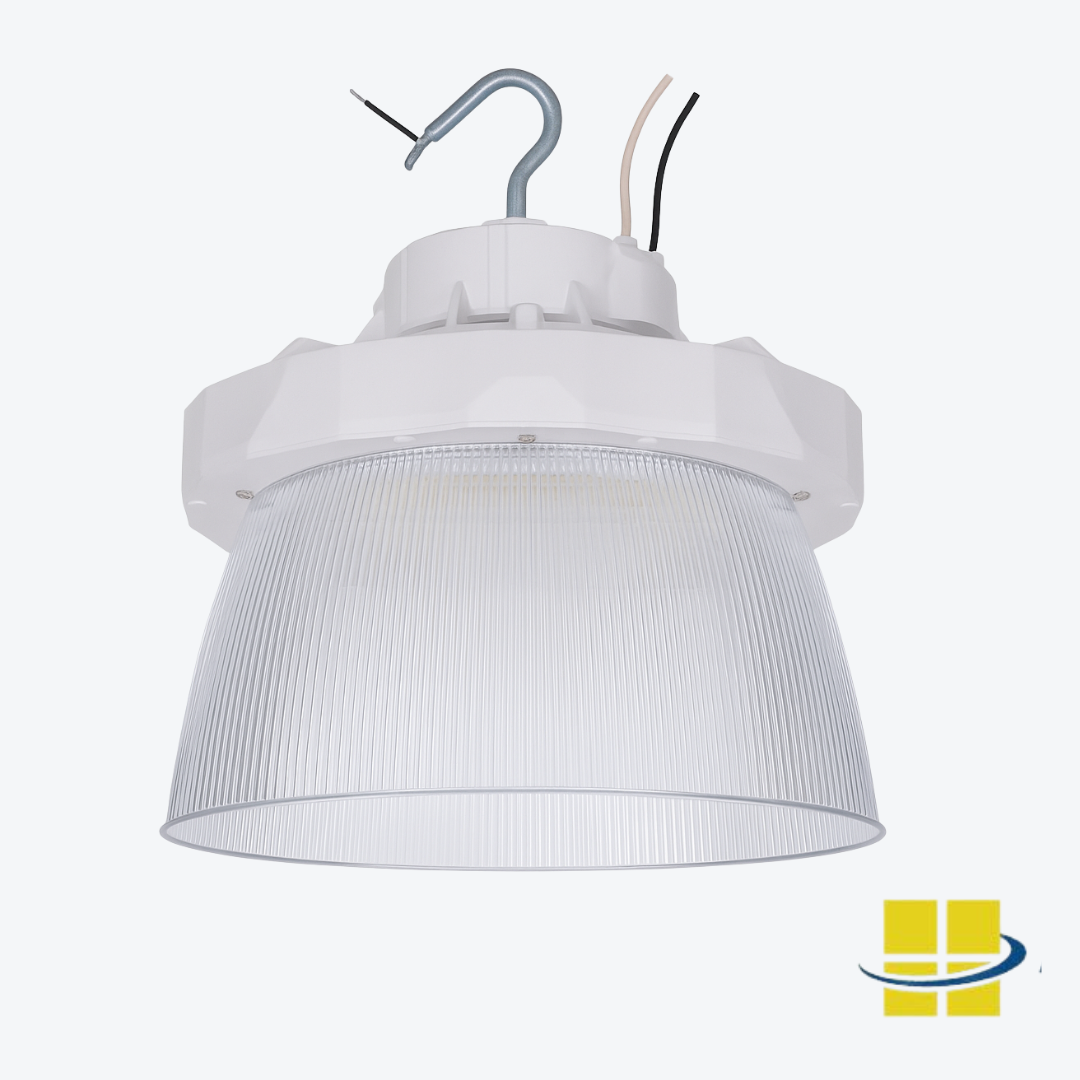
A light refractor is a transparent or translucent optical component, typically made of acrylic or polycarbonate, that reshapes how light exits a fixture. It operates through refraction, bending light as it passes through the material. In modern LED fixtures, its primary role is to take the very wide, inefficient light from the bare LED source and focus it into a more controlled and useful beam.
Introduction to Light Refraction
Light refraction is a foundational concept in optics, describing how light bends as it passes from one material to another, such as from air into glass. This bending of light is the principle behind many optical devices, including the refractor telescope. In a refractor telescope, a carefully designed lens gathers and focuses light, allowing astronomers to observe distant objects in the night sky with exceptional clarity and high contrast views. The optical design of refractor telescopes is crucial for minimizing chromatic aberration, a type of distortion that can blur images. By using advanced materials like ED glass and apochromatic lens configurations, modern refractors can provide sharp, detailed images of bright stars, planets, and other celestial objects. The quality of the glass and the precision of the lens design directly impact the telescope’s ability to focus light accurately, delivering the high performance that both amateur and professional astronomers seek.
Types of Light Refractors
- Lenses (Prismatic & TIR Refractors): Provide precise control over light distribution. Total Internal Reflection (TIR) optics and prismatic lenses are designed to achieve a specific beam angle, focus light effectively, and maximize output for targeted illumination.
- Diffusers: Scatter light to obscure the lamp image and create a softer glow, prioritizing visual comfort and broad coverage over precise intensity.
There are different types of refractors used in high bay lighting, such as prismatic, TIR, and diffusers, each offering unique advantages—prismatic and TIR refractors provide focused, controlled illumination, while diffusers enhance comfort with broader, softer light.
Both types are used in high bay and low bay luminaires to achieve desired beam patterns and enhance lighting quality.
Impact of Refractors on High Bay Lighting
High bay fixtures, typically installed 25 feet or higher, are designed to deliver powerful, directed illumination for large indoor spaces such as factories, warehouses, and gymnasiums. The choice of refractor is critical to their performance. Refractors help gather and direct light from the LED source, improving both the efficiency and overall illumination of the fixture.
Effects of Adding a Refractor
- Precise Beam Control: Contrary to the common belief that optics always widen the beam, they often serve to narrow it. A refractor can focus the light from a 120°+ bare LED source into a more useful 90°, 75°, or even narrower beam to increase intensity at floor level.
- The Glare vs. Uniformity Trade-off: There is often a direct trade-off between glare control and uniformity. A narrower beam (e.g., 75°) will typically provide superior glare control (lower UGR) but may create hot spots and require a denser fixture layout to achieve good uniformity. A wider beam (e.g., 90°) may improve uniformity but can produce more glare.
- Improved Vertical Illuminance: Specialized drop-lenses and refractors can be used to push more light onto vertical surfaces, which is particularly valuable for illuminating shelving and racks in warehouse aisles.
- The Critical Role of Mounting Height: Height is a decisive factor. A narrow beam optic that creates poor uniformity at 20 feet may perform perfectly at 30 feet, as the light has more distance to spread out. Higher mounting heights generally improve glare performance and allow for the effective use of more focused beams.
The aperture of the refractor plays a key role in determining the beam pattern and intensity of the light output. A larger aperture allows more light to pass through, resulting in a brighter and more focused beam, while a smaller aperture can limit light output and affect the distribution pattern.
Applications of Light Refractors
Refractor telescopes are prized for their versatility and performance in a variety of astronomical applications. In visual astronomy, refractor telescopes are ideal for observing the moon, planets, and double stars, thanks to their ability to produce high contrast images with minimal distortion. Their straightforward design makes them especially appealing to beginners, as refractors are easy to set up, use, and maintain. Beyond stargazing, refractor telescopes are also popular for astrophotography; when paired with a stable mount and a camera, they can capture stunning images of the night sky and celestial events. Additionally, refractor telescopes are well-suited for terrestrial observing, making them a valuable tool for nature enthusiasts and anyone interested in exploring both the world and the universe. Their reliability and ability to deliver crisp, detailed views make refractor telescopes a top choice for a wide range of users.
How Photometric Studies Reflect Refractor Changes
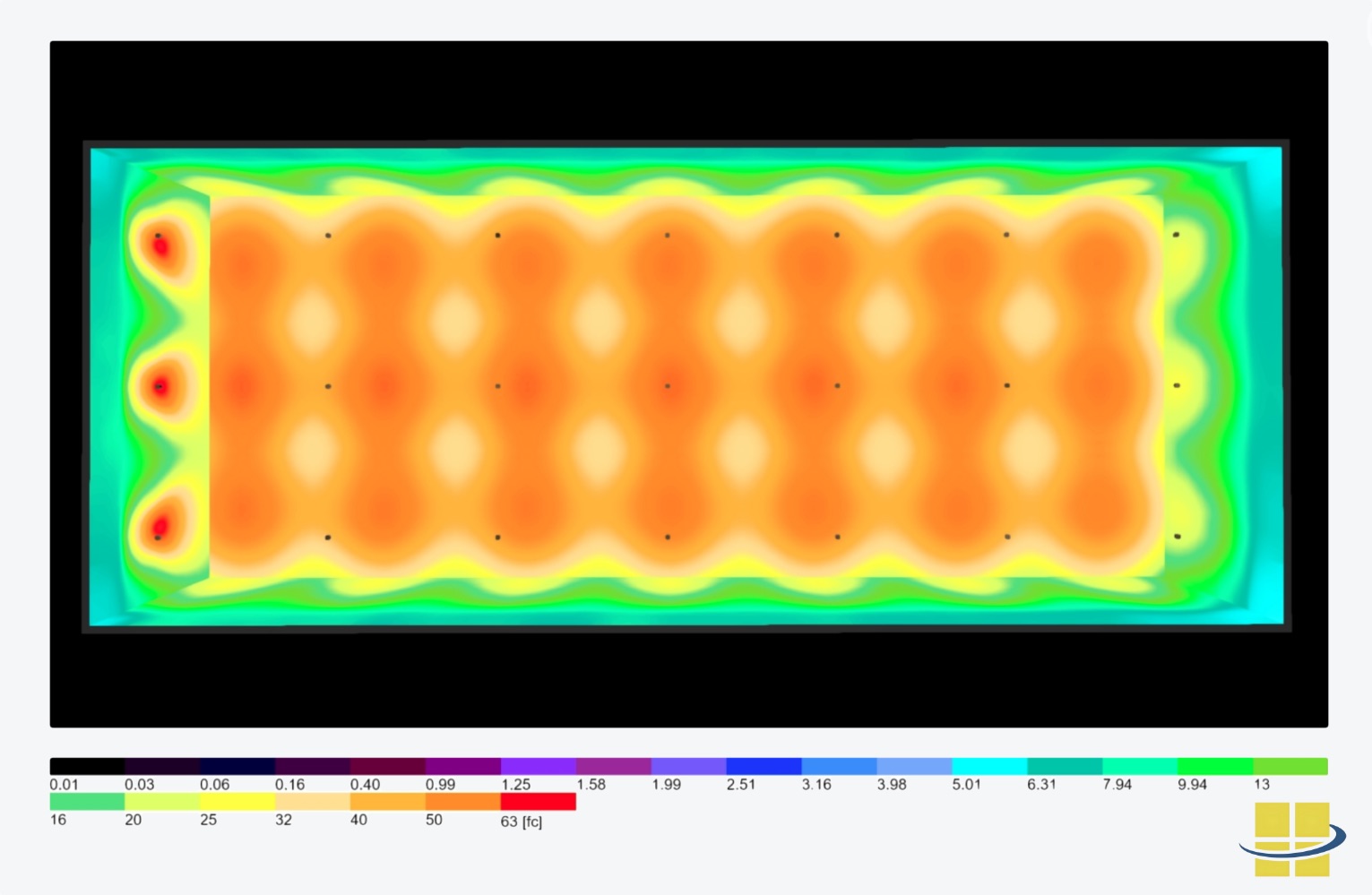
Photometric studies simulate lighting performance before installation. Adding a refractor fundamentally alters a luminaire’s light distribution, a change that can only be accurately predicted with an updated photometric file. Photometric studies provide results that help designers understand the impact of refractor changes on lighting performance.
A Refractor Creates a New Luminaire. It is critical to understand that a luminaire with a refractor is a different fixture from one without it. The performance data is captured in a lab-tested data file (.IES or .LDT). That specific file must be used in the design software, as the candela distribution curve that defines the beam shape cannot be reliably estimated or modified without a new lab measurement.
Changes with a Refractor
- Altered Candela Values: The luminous intensity at every angle changes to reflect the new distribution.
- Altered Beam Angle: The beam angle is changed to be narrower or wider, resulting in a different pattern of light on the illuminated area.
- Shifted Light Output Pattern: The entire light spread is reshaped, affecting vertical and lateral distributions.
Impact on Lighting Metrics
- Illuminance Levels: Light is redistributed, changing the footcandle (fc) or lux values across the workplane. This may increase intensity under the fixture (with a narrow beam) or spread it to peripheral zones (with a wide beam).
- Uniformity Ratios: The choice of optic directly impacts uniformity (measured as max/min or avg/min). Design choices often involve balancing the desired uniformity with other goals, like glare control.
- Glare Potential: A diffusing refractor reduces surface luminance. More significantly, a prismatic refractor that narrows the beam can decrease perceived glare by directing light downward and reducing high-angle brightness, leading to better UGR values.
- Light Trespass and Compliance: A wider-beam refractor increases the risk of lateral light spread and potential trespass, requiring careful analysis in a photometric study to ensure compliance with local codes.
Certain lighting metrics, such as glare and uniformity, are especially sensitive to changes in refractor design.
Chromatic Aberration and Its Effects
Chromatic aberration is a common challenge in refractor telescopes, resulting from the way different colors of light (such as red, green, and blue) are bent by the lens and brought to focus at slightly different points. This can lead to blurred or colored edges around objects, reducing image clarity and overall performance. To minimize chromatic aberration, many refractor telescopes use apochromatic designs, which incorporate three lenses to bring all colors of light to the same point of focus. These apochromatic refractors are highly effective at delivering sharp, color-corrected images. Alternatively, achromatic doublets use two lenses to reduce chromatic aberration, offering a more affordable solution but sometimes still suffering from minor color fringing. Understanding the impact of chromatic aberration and the benefits of different lens configurations helps astronomers and photographers select the right refractor telescope for their needs, ensuring the best possible clarity and focus for observing or imaging the night sky.
Why Run a Comparative Photometric Study?
To make an informed decision, a comparative photometric study is necessary to evaluate the impact of different refractor options. This analysis relies on the manufacturer’s official IES files for each configuration. Cost is also an important consideration when comparing different refractor options.
Benefits of Comparative Analysis
- Informed Decision-Making: A study allows for a clear comparison between different factory-provided refractor options (e.g., a 90° standard optic vs. a 75° glare-control optic) to visualize the trade-offs.
- Design Optimization:
- Visualizes the refractor’s true impact on the final beam patterns.
- Confirms that the proposed design will comply with lighting standards (e.g., IES RP-7 for industrial lighting).
- Informs final decisions on fixture placement, spacing, and mounting height before any equipment is purchased or installed.
Comparative analysis also enables evaluation of the price-to-performance ratio of different refractor options, helping users balance cost and quality when selecting the best solution.
Optimizing High Bay Lighting Performance
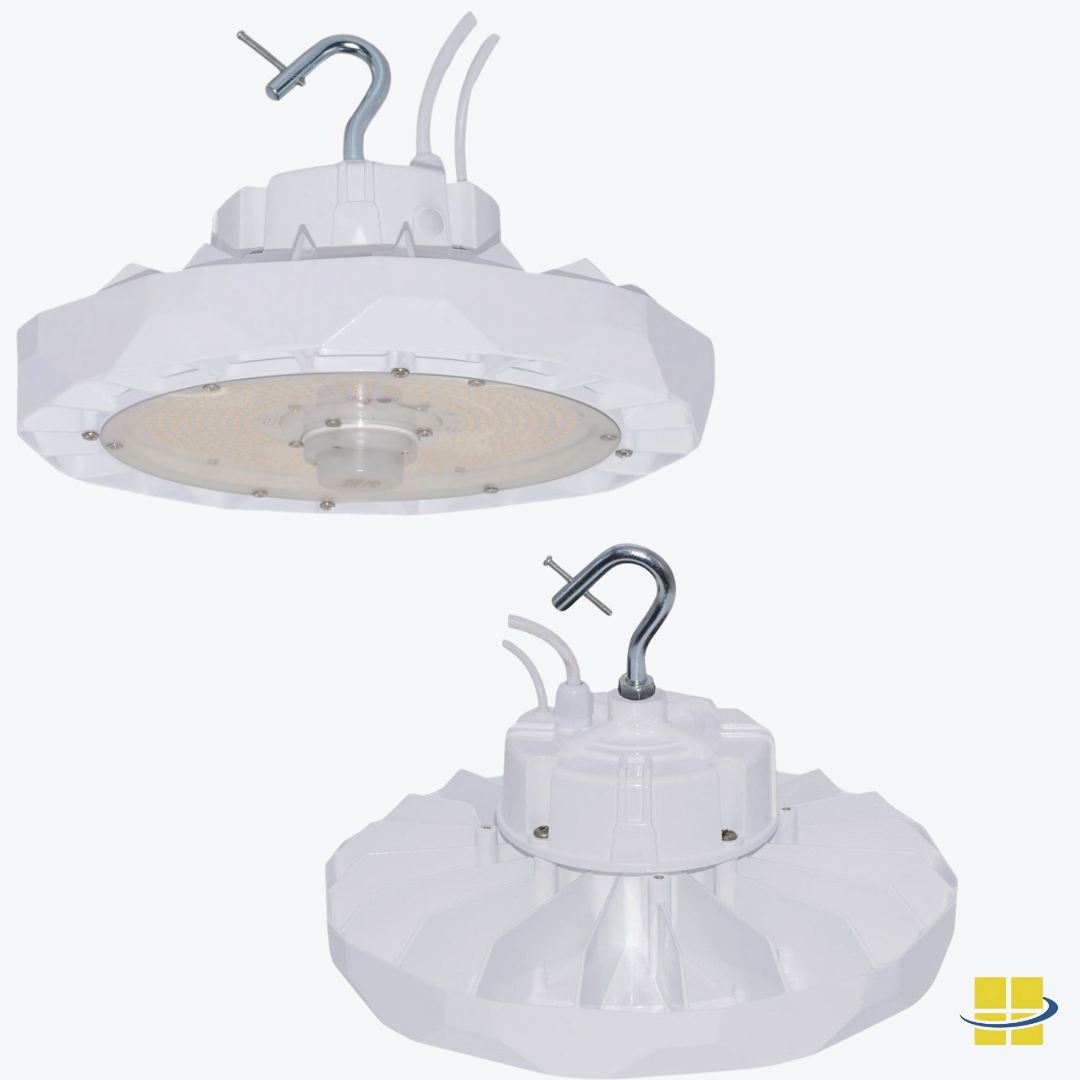
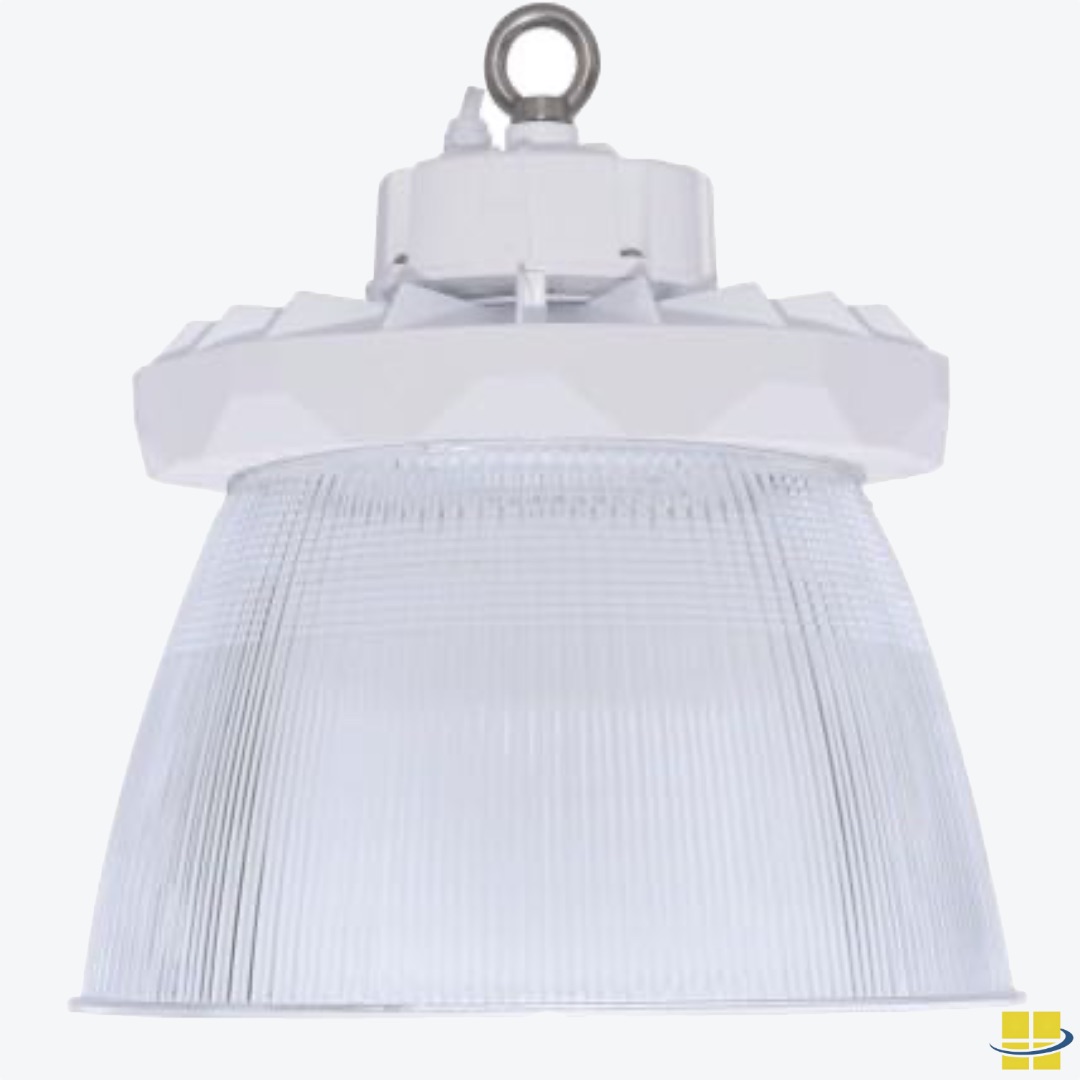
Optimizing high bay lighting performance is essential for large spaces like warehouses, factories, and sports arenas, where effective illumination directly impacts safety and productivity. Refractor-based lighting systems play a key role in this optimization by focusing light precisely where it’s needed, reducing wasted energy and improving visibility. By selecting the appropriate refractor and adjusting its focal length, lighting designers can tailor the distribution and intensity of light to suit specific applications. The use of high-quality glass and advanced coatings in these refractors further enhances performance by minimizing light loss and ensuring consistent, high-quality illumination. Ultimately, a well-designed refractor solution can significantly improve the efficiency and effectiveness of high bay lighting, providing a customized approach that meets the unique requirements of each space.
Conclusion: The Role of Refractors in Lighting Design
Adding a light refractor to a high bay luminaire does more than alter its appearance; it fundamentally transforms its photometric performance. Refractors introduce significant changes to lighting performance and design variables, impacting how light is distributed and controlled. By precisely controlling the light, refractors achieve critical lighting objectives, including targeted illumination, enhanced uniformity, and significantly reduced glare. However, these benefits introduce design variables that must be carefully measured and understood. Photometric studies, which utilize accurate lab-tested data for each specific fixture-optic combination, provide the essential insights needed to ensure designs meet standards, support safety, and deliver optimal performance.
Next Steps
Ready to explore high bay lighting with refractor options? Visit AccessFixtures.com to shop high bay light fixtures or contact our lighting specialists for expert guidance.
Future Directions
The future of refractor telescopes and light refractors is bright, with ongoing advancements in optical design and materials science driving improvements in performance, quality, and affordability. Innovations in apochromatic lens technology and the use of premium glass are making refractor telescopes more capable than ever, enabling both seasoned astronomers and beginners to enjoy breathtaking views of the night sky. The growing popularity of astrophotography and visual astronomy is fueling further development, leading to new models and solutions that cater to a wide range of interests and budgets. As more people turn to online resources, including crossword clues and solutions, to learn about different telescope types and their features, the accessibility and appeal of refractor telescopes continue to expand. Whether you’re interested in high contrast views of planets, photographing deep space objects, or simply exploring the universe, the evolving world of refractor telescopes offers exciting opportunities for discovery and enjoyment.
Light Refractor Frequently Asked Questions (FAQs)
What is a light refractor in high bay lighting?
A light refractor is a transparent or translucent component, typically acrylic or prismatic glass, that reshapes light output through refraction or internal reflection to control beam patterns.
How does a refractor differ from a reflector in high bay fixtures?
A refractor bends or scatters light as it exits the fixture, while a reflector redirects light before it leaves, using a mirrored or prismatic surface to shape the beam.
Why use a refractor in high bay lighting?
Refractors widen light distribution, improve vertical illuminance, reduce luminance for comfort, and allow wider fixture spacing, enhancing efficiency and performance.
What are the main types of refractors?
The two primary types are lenses (prismatic refractors) for precise light control and diffusers for scattering light to reduce glare and soften illumination.
Can refractors increase glare in high bay lighting?
Yes, wider light distribution from refractors may increase glare from certain angles, but photometric studies and careful design can help mitigate this risk.
How do photometric studies help when adding a refractor?
Photometric studies simulate lighting performance, using updated .IES or .LDT files to predict changes in illuminance, uniformity, glare, and compliance after adding a refractor.
What is the difference between high bay and low bay refractor applications?
Low bay fixtures (15–25 feet) see more pronounced effects from refractors due to lower mounting heights, while high bay applications (25+ feet) require photometric validation for effectiveness.
How does a refractor affect light trespass?
Refractors increase lateral light spread, which may cause light trespass beyond the intended area, necessitating photometric analysis to ensure compliance with regulations.
Why is uniformity important in high bay lighting?
Uniformity, measured as max/min or min/avg ratios, reduces contrast for better visibility, safety, and comfort, especially in large spaces like warehouses.
How can I evaluate a refractor’s impact before installation?
Run a comparative photometric study to analyze the fixture with and without the refractor, assessing beam patterns, uniformity, and compliance with standards like IES RP-7.
Are refractors compatible with both LED and HID high bay fixtures?
Yes, refractors can be used with both LED and HID high bay fixtures, though their design must be optimized for the specific light source to achieve the desired performance.
What standards should high bay lighting with refractors meet?
Fixtures should comply with IES standards (e.g., RP-7 for industrial lighting, RP-6 for sports facilities) and local codes, including dark sky or wildlife protection guidelines.