

LED Softball Field Lighting Solutions
Optimizing your softball field lighting is crucial for player safety and game quality. This article explains important design factors, standards to follow, and cost considerations. Dive in to ensure your field is well-lit and ready for play.
Key Takeaways
-
- Proper lighting on softball fields enhances player safety and performance by ensuring visibility and minimizing injuries, while also improving the spectator experience.
- Key design factors for LED lighting systems include ensuring adequate illuminance levels, reducing glare, and selecting appropriate color temperature to optimize player performance.
- Adhering to EN12193 standards and considering the initial installation and long-term operational costs is essential for the effective design and implementation of softball field lighting solutions.
Importance of Proper Softball Field Lighting
Proper lighting is vital for successful softball games. High-quality illumination allows players to see the ball, the field, and their teammates clearly, minimizing injuries and errors. With clear visibility, players can make precise movements and avoid collisions, enhancing safety and improving the level of play.
Spectators also benefit from high-quality lighting, as it allows them to follow the action seamlessly at any time of day. The thrill of a well-lit game enhances enjoyment and engagement. Well-designed lighting systems create an exciting and safe atmosphere for both players and fans.
A well-lit field also showcases the venue’s quality and professionalism, reflecting a commitment to providing an excellent experience for all participants. Investing in proper lighting goes beyond meeting minimum requirements; it enhances the game, promotes safety, and elevates the overall experience for everyone.
Key Factors in Designing LED Softball Field Lights
Several critical factors are involved in designing an effective LED lighting system for a softball field. Achieving sufficient lighting levels across the field is a primary consideration. The illuminance level must be carefully calibrated to ensure visibility and safety for players, while uniform lighting avoids dark spots and ensures the entire field is evenly illuminated.
Glare control is also essential. Excessive glare can distract and discomfort players and spectators. Positioning lights at lower angles and using fixtures designed to reduce glare creates a comfortable visual environment, enhancing the overall experience.
Color temperature and color rendering are important, too. The color temperature affects how players perceive the ball and other objects. Choosing the right color temperature ensures accurate color rendering, which is crucial for player performance and safety.
Considering these key factors allows lighting experts to design a system tailored to a softball field’s needs, ensuring optimal illumination and enhancing the game experience.
Understanding EN12193 Standards for Sports Lighting
EN12193 standards offer a comprehensive framework for lighting sports facilities, including softball fields. These standards classify lighting into three main classes: Class I for professional and collegiate play, Class II for high-level recreational and club play, and Class III for recreational and community play. Knowing these classifications ensures the lighting system meets the required level of play.
Class I lighting specifications cater to professional and collegiate play, requiring the highest illumination levels. Typically, this involves eight poles of 18 meters each, equipped with a mix of 960W and 1440W floodlights, providing over 70 footcandles for the infield and over 50 footcandles for the outfield. This ensures optimal visibility and performance for high-level competitions.
Class II lighting specifications suit high-level recreational and club play. They also require eight poles of 18 meters each but with a lower system power of around 19.2 kW, providing over 50 footcandles for the infield and over 30 footcandles for the outfield.
Class III lighting specifications cater to recreational and community play, requiring six poles of 18 meters each with a system power of approximately 5.76 kW, providing over 20 footcandles for the infield and over 10 footcandles for the outfield. Adhering to these standards ensures sufficient illumination, minimizes glare, and accurately renders colors, promoting safety and performance.
Cost Considerations for LED Softball Field Lighting
Implementing LED lighting systems for softball fields involves various costs. The initial installation expense varies depending on the project’s size and complexity. This investment includes the cost of poles, fixtures, and installation, which can vary. Despite significant upfront costs, the long-term savings and benefits make it worthwhile.
LED lighting systems are highly energy-efficient, consuming significantly less energy compared to traditional options. This results in substantial savings on operational costs, reducing energy consumption by up to 80%. Additionally, LED lights have a longer lifespan and require less maintenance, further cutting long-term costs. Consulting lighting experts for selecting and installing energy-efficient fixtures maximizes these savings and ensures optimal field illumination.
Considering both initial installation costs and long-term benefits is crucial. Investing in LED technology provides high-quality lighting that enhances the game experience, reduces operational costs, and supports sustainability goals.
Installation Costs
The breakdown of installation costs for LED lighting systems includes:
- Poles: The cost typically ranges depending on height and material.
- Fixtures: These can vary based on the type and number of lights required.
- Labor: Costs vary based on the field’s specific requirements and the level of play.
Installation expenses also include site preparation and labor for erecting the poles and installing the lights. These costs can vary depending on the project’s complexity and the total number of fixtures needed.
These factors must be considered when budgeting for a softball lighting project to ensure all necessary components are included for optimal lighting performance.
Retrofit Costs
Retrofitting an existing softball field lighting system to LED is a cost-effective way to upgrade to modern, energy-efficient lighting. The cost typically ranges depending on the field’s specific requirements and the needed level of brightness. This includes the cost of new LED fixtures and necessary modifications to existing infrastructure.
Several factors influence retrofitting costs, including competition level and required brightness. Upgrading to LED lighting improves illumination quality and reduces long-term energy consumption and maintenance costs.
Retrofitting existing lighting systems allows softball fields to significantly improve lighting performance and energy efficiency without a complete overhaul.
Optimal Layout for Softball Field Light Fixtures
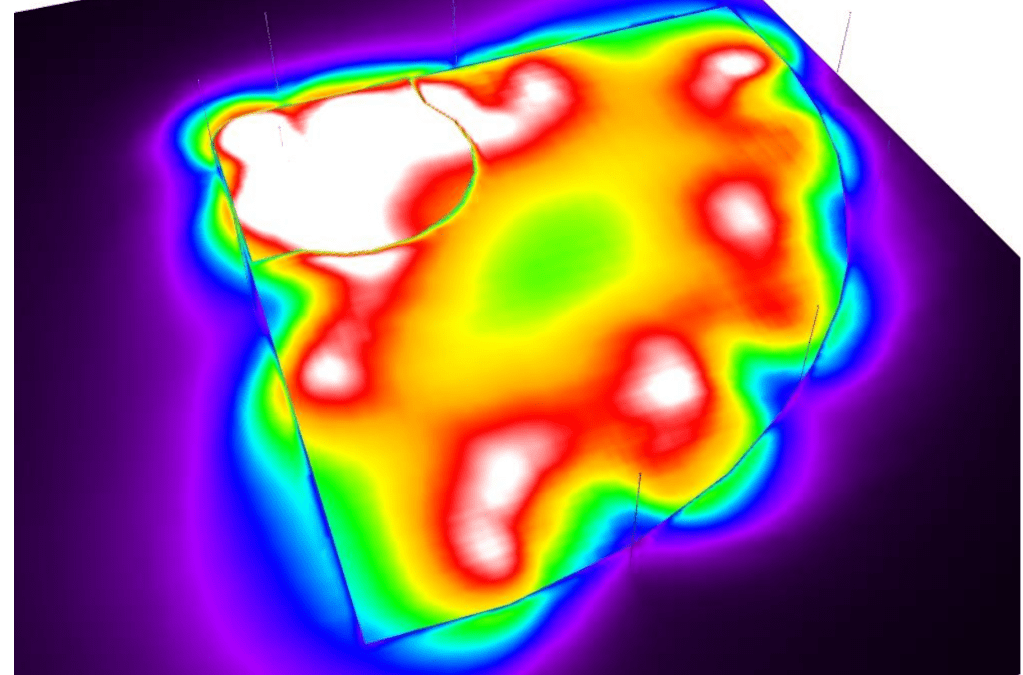
Achieving optimal illumination for a softball field requires careful planning and strategic placement of light fixtures. The layout is crucial for ensuring light reaches all playing areas, particularly the infield and outfield. A well-designed layout minimizes shadows and provides uniform lighting, enhancing visibility and safety for players. Lighting professionals can perform a photometric study to determine optimal fixture placement and pole height for even distribution.
Light poles for softball fields are generally set at heights of 40 to 60 feet to prevent glare for players and spectators. Pole height plays a significant role in achieving uniform lighting and minimizing light pollution.
Advanced LED systems are designed with beam control to direct light precisely where needed, reducing excessive outdoor light and minimizing light pollution. Considering these factors allows lighting experts to design a system that provides optimal illumination and enhances the game experience.
Fixture Placement
Fixture placement is crucial for effective illumination of a softball field. The layout should ensure light reaches all playing areas, particularly the infield, where visibility is essential for player performance and safety. The recommended configuration includes placing light poles at the corners and along the sidelines for balanced light distribution. Floodlights should also be positioned on both sides of home plate for uniform infield lighting.
In a four-pole layout, floodlights are strategically placed by the foul poles to ensure adequate lighting for outfielders. This placement minimizes shadows and provides consistent illumination across the field.
Careful fixture placement allows lighting experts to design a system that enhances visibility and safety for players, improving the overall game experience.
Pole Height
The height of light poles is crucial for achieving uniform lighting. Softball fields generally require light pole heights ranging from 40 to 60 feet, depending on field size. Installing poles at 30 feet or higher ensures effective and even lighting coverage. Higher poles can lead to more uniform lighting, reducing glare for players and spectators.
Light poles should typically be between 20 to 30 feet to effectively cover the field without excessive light spill. Pole height plays a significant role in minimizing light spillage and pollution, especially near residential areas. Proper pole height ensures optimal illumination while minimizing environmental impact.
Energy Efficiency and Maintenance of LED Lighting Systems
LED lighting systems offer significant advantages in energy efficiency and maintenance. One key benefit is their dimmability, which provides better energy savings and extends lamp life. This feature reduces energy consumption, lowers operational costs, and prolongs the system’s lifespan. Additionally, LED lights generate minimal heat, enhancing safety and lowering cooling costs in warm weather.
Switching to LED lighting reduces light pollution and aligns sports facilities with sustainability goals. Modern LED systems minimize spill light and pollution, offering a more sustainable and environmentally friendly solution. The compact design of LED fixtures results in less material waste and easier installation, supporting sustainability efforts.
LED lighting systems require less frequent replacement and maintenance compared to traditional options. Reduced maintenance lowers operational costs and decreases downtime for the field. By choosing LED systems, softball fields achieve significant energy savings, support sustainability goals, and provide high-quality illumination for players and spectators.
Choosing the Right LED Fixtures for Your Softball Field
Selecting the right LED fixtures is crucial for achieving optimal lighting performance for a softball field. One of the primary considerations is the lumen output of the fixtures. High lumen output is essential for ensuring visibility and safety during games, as it provides adequate brightness for players and spectators. The SMD7070 LED chip is noted for its high light effectiveness, making it a preferable option for achieving high lumen output.
Beam angles are another important factor to consider when choosing LED fixtures. Different beam angles can impact how light is distributed across the field, influencing visibility and reducing glare. A well-chosen beam angle ensures that light is evenly distributed, minimizing shadows and providing consistent illumination across the field.
By considering these factors, lighting experts can select the right fixtures that meet the specific needs of the softball field and enhance the overall game experience.
High Lumen Output
High lumen output is critical for ensuring visibility and safety during softball games. Adequate brightness increases game quality by enhancing visibility for players and spectators. The SMD7070 LED chip is known for its high light effectiveness, making it an excellent choice for achieving high lumen output. By selecting fixtures with high lumen output, softball fields can ensure that players have clear visibility of the ball, the field, and their teammates, reducing the risk of injuries and errors during games.
In addition to improving player safety, high lumen output enhances the overall experience for spectators by providing clear visibility of the action on the field. This level of brightness ensures that both players and fans can enjoy the game to the fullest, creating an exciting and engaging atmosphere. By choosing LED fixtures with high lumen output, softball fields can achieve optimal illumination and enhance the overall game experience.
Beam Angles
Beam angles play a crucial role in determining how light is distributed across a softball field. Different beam angles, such as 15°, 30°, 45°, and 60°, affect the spread of light emitted from LED fixtures, influencing visibility and performance on the field. Choosing the right beam angle can significantly impact the uniformity of lighting, ensuring that light reaches all areas of the playing field without creating dark spots or excessive glare.
Selecting the appropriate beam angle is essential for achieving balanced illumination across the field. For instance, narrow beam angles are ideal for targeting specific areas, while wider beam angles provide broader coverage.
By carefully considering the beam angles of LED fixtures, lighting experts can design a system that maximizes visibility and enhances the overall game experience for players and spectators alike.
Impact of Lighting on Player Performance and Safety
Proper lighting has a profound impact on player performance and safety. High-lumen output ensures that players can clearly see the ball and the field, which is crucial for maintaining proper visibility during games. This level of brightness enhances the overall experience for players and spectators by providing clear visibility of the action on the field. A well-planned lighting layout reduces shadows and creates a safer playing environment for athletes by improving sightlines during play.
Uniform lighting is essential for reducing player errors and minimizing the risk of injuries. Poor visibility can compromise performance, leading to mistakes and potential collisions. High-quality LED lighting systems are designed to replicate daylight conditions, improving color perception and focus for players on the field. By ensuring uniform illumination, lighting experts can enhance player safety and performance, creating a better overall game experience.

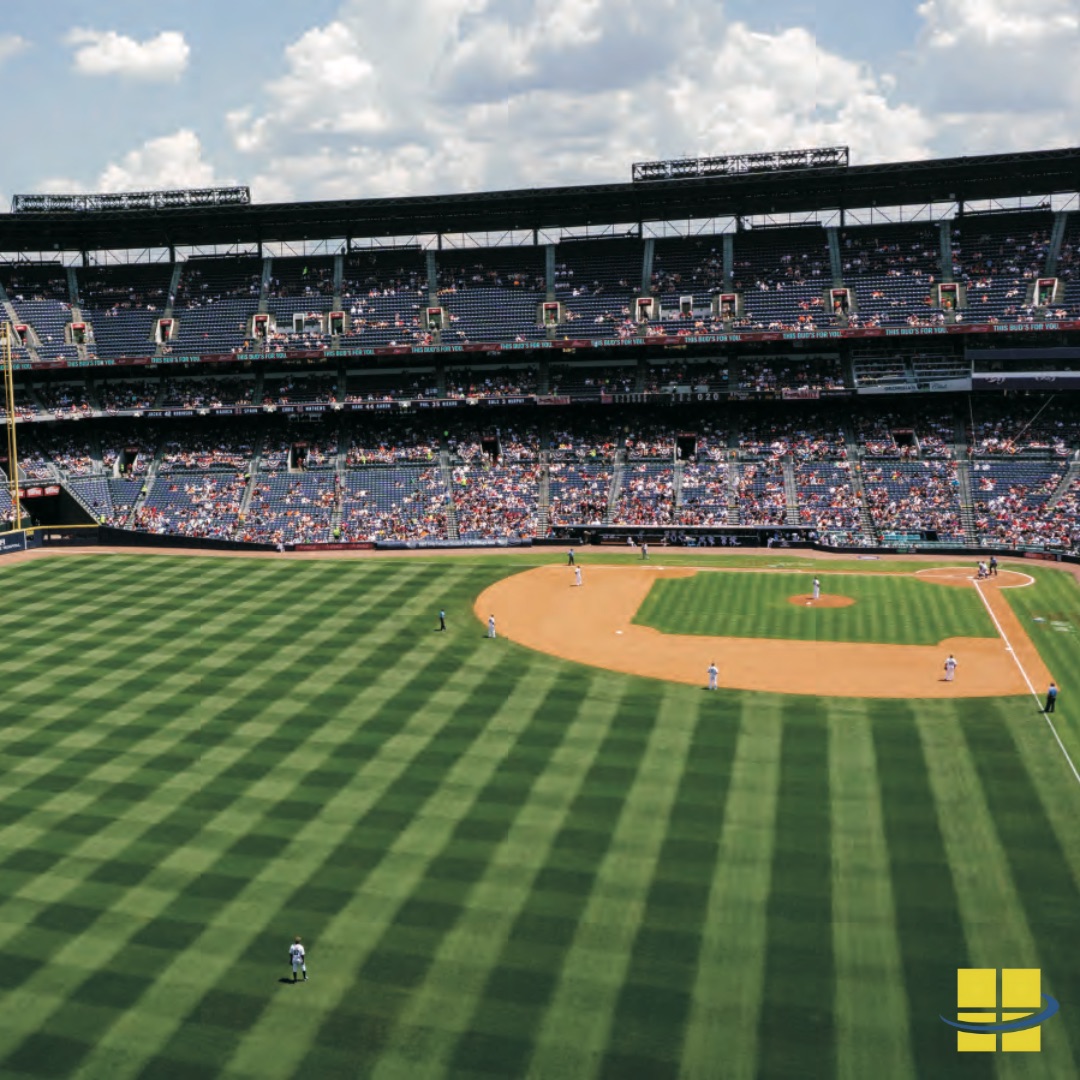

Softball Field Class I Lighting

Softball Field Class II Lighting

Softball Field Class III Lighting
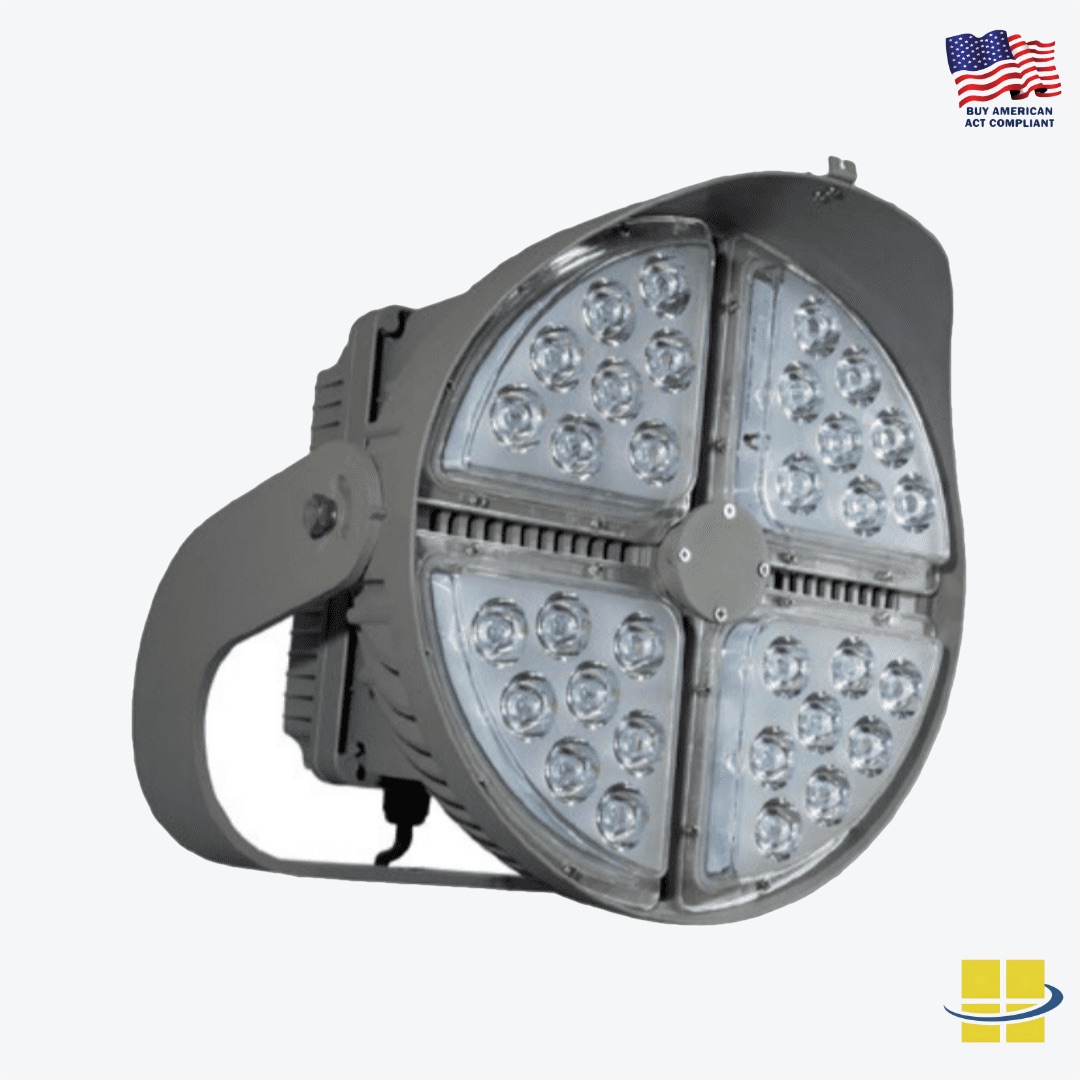
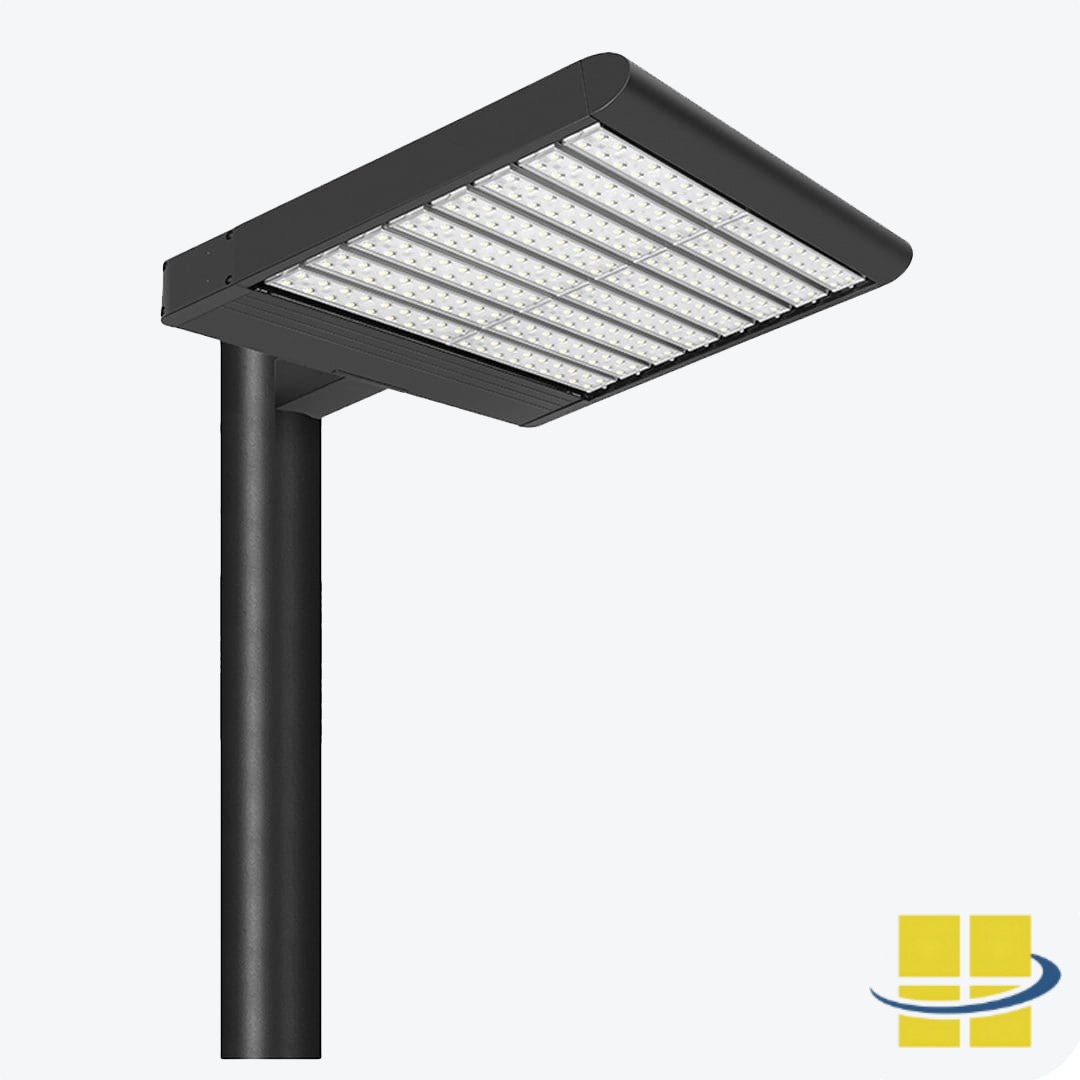

STAD - LED Sports Lights for Softball Field Lighting (Replaces MH Sports Lights on a 1 for 1 basis)
In addition to improving player safety, proper lighting enhances the overall atmosphere of the game. Well-lit fields provide targeted illumination where it is most needed, allowing players to track the ball and react quickly to gameplay. This level of visibility ensures that both players and fans can enjoy the game to the fullest, creating an exciting and engaging environment.
By investing in high-quality LED lighting systems, softball fields can enhance player performance and safety, while also providing a better experience for spectators.
Environmental Considerations
Environmental considerations are an important aspect of any lighting project. LED lighting solutions are designed to minimize light pollution and reduce energy consumption, contributing to sustainability goals. Modern lighting systems focus light precisely where it is needed, avoiding unnecessary spillage and minimizing disturbance to surrounding areas. The use of hoods on lights allows for better control of light pollution, enhancing environmental sustainability.
The height of lighting fixtures also plays a significant role in minimizing light spillage, particularly near residential areas. By installing fixtures at appropriate heights and using advanced beam control technologies, lighting experts can ensure that the illumination is focused on the field, reducing the environmental impact and enhancing the overall sustainability of the lighting system.
By considering these environmental factors, softball fields can achieve high-quality lighting that supports sustainability goals and minimizes their ecological footprint.
Conclusion
In summary, proper lighting is essential for enhancing player safety, visibility, and overall experience on a softball field. LED lighting solutions offer significant advantages in terms of energy efficiency, maintenance, and environmental sustainability, making them an ideal choice for any softball lighting project. By carefully considering factors such as illuminance levels, uniformity, glare control, and color temperature, lighting experts can design a system that meets the specific needs of a softball field and enhances the overall game experience.
Investing in high-quality LED lighting systems not only improves the quality of illumination but also reduces operational costs and supports sustainability goals. By following the guidelines outlined in this comprehensive guide, softball fields can achieve optimal lighting performance and create a safe, engaging, and enjoyable environment for players and spectators alike. Illuminate your field with the best in LED technology and elevate the game to new heights.
Softball Field Lighting Frequently Asked Questions (FAQs)
What are the key factors to consider when designing LED softball field lights?
When designing LED softball field lights, it is essential to consider illuminance levels, uniformity, glare control, and color temperature. These factors ensure adequate lighting while enhancing player safety and visibility.
What are the EN12193 standards for sports lighting?
The EN12193 standards designate three classes of lighting requirements: Class I for professional play, Class II for high-level recreational play, and Class III for community play. These classifications aim to provide adequate illumination while reducing glare and ensuring proper color rendering.
How much does it cost to install a new LED lighting system for a softball field?
Installing a new LED lighting system for a softball field typically costs between $135,000 to $350,000, influenced by the project's size and complexity. This price encompasses all necessary components, including poles and fixtures.
What are the benefits of switching to LED lighting systems for softball fields?
Switching to LED lighting systems for softball fields offers substantial energy savings, reduced maintenance needs, and lower operational costs. Furthermore, they enhance illumination quality while minimizing light pollution and contributing to sustainability efforts.
How does proper lighting impact player performance and safety?
Proper lighting significantly impacts player performance and safety by ensuring clear visibility and reducing shadows, which creates a safer playing environment. Adequate illumination enhances performance and minimizes the risk of injuries.