
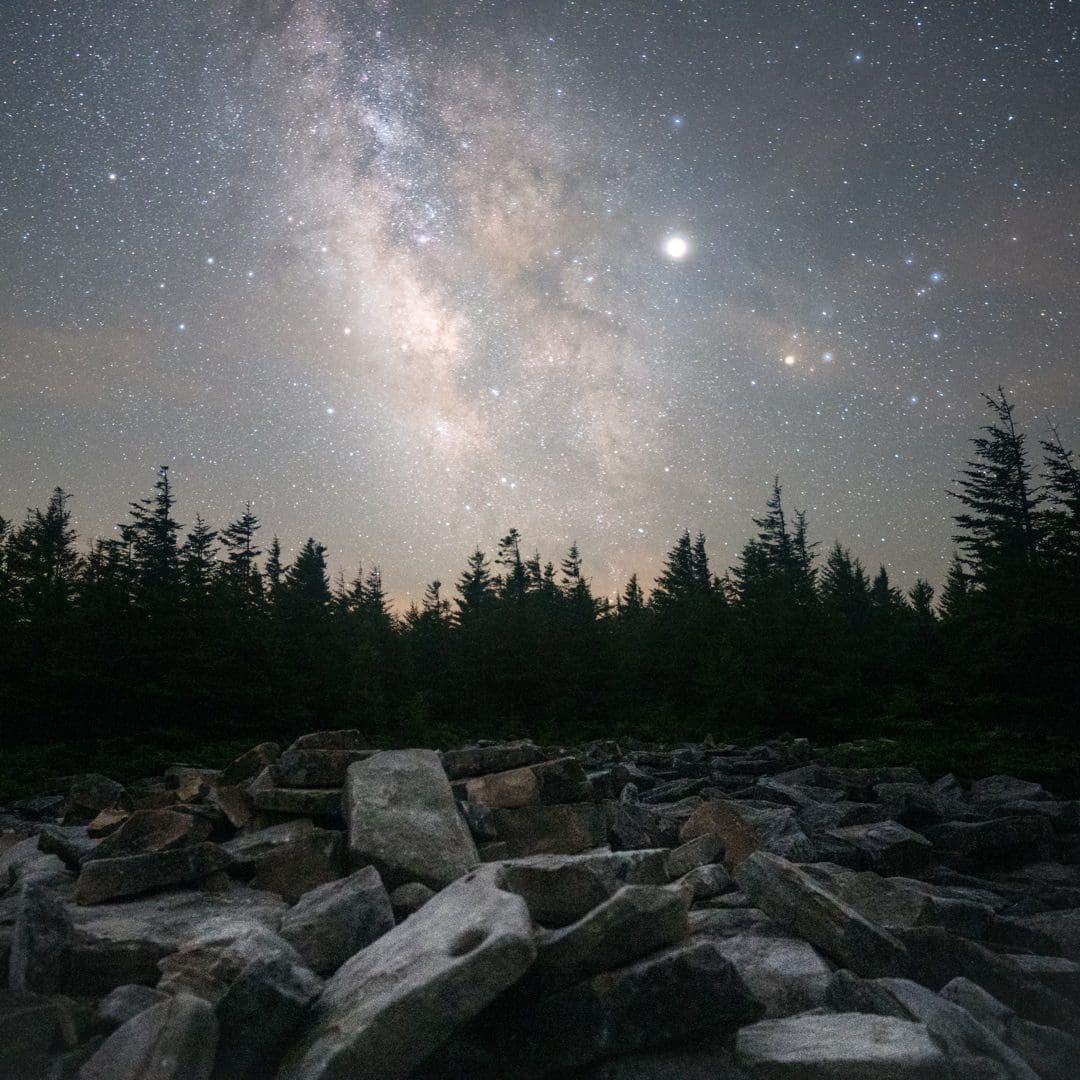
Imagine it’s 2:00 AM. In a bustling city, the sky isn't its typical deep charcoal. Instead, it’s bathed in the twilight glow equivalent to a pre-dawn morning. This isn't a scene from a sci-fi novel; it’s a scenario currently on the Federal Communications Commission (FCC) docket.
At Access Fixtures, we have spent years specializing in commercial, industrial, and specialized lighting. We are obsessive about photometrics, lumen output, and, crucially, responsible lighting design. When a proposal emerges that could change the very definition of "night," we pay attention.
The proposal in question comes from the California-based startup, Reflect Orbital (FCC File SAT-LOA-20250701-00129). They have filed for regulatory approval to launch a massive constellation of mirrored satellites into Low Earth Orbit (LEO). This is "Sunlight-as-a-Service."
Key Takeaways
- Disruptive Innovation vs. Ecological Risk: While orbital mirrors could provide 24/7 solar energy and instant disaster illumination, they pose a "catastrophic" threat to ground-based astronomy and the ozone layer.
- A Crisis for Wildlife & Health: "Sunlight-as-a-Service" threatens to collapse nocturnal ecosystems, specifically endangering sea turtle hatchlings, and risks human health by disrupting natural circadian rhythms.
- The Future of "Managed Darkness": If space-based lighting becomes a reality, localized Dark Sky-compliant fixtures (like 3000K, 2200K, or 590nm amber LEDs) will be the essential last line of defense for preserving pockets of natural darkness.
The Technology: Space Mirrors on Demand
The operational plan is breathtaking in its scale. While they plan a demonstration satellite, Earendil-1, for launch in April 2026, the ultimate vision involves 4,000 to 50,000 orbiting mirrors by 2035.
Operating in a sun-synchronous orbit, these mirrors would catch the sun’s rays while the ground below is shrouded in darkness. They could:
- Target a specific zone on Earth just 5 kilometers wide.
- Deliver variable brightness ranging from intense moonlight to full daylight.
This capability introduces a completely new paradigm for "lighting" a city.
Defend Your Project from Light Pollution. Shop Dark Sky Lighting ->
The Promising Horizon: Why the FCC is Listening
Access Fixtures always seeks innovative solutions to energy and lighting challenges, and this proposal offers significant potential positives:
- Solar Energy Optimization: This is the headline benefit. Currently, solar farms sit idle for half the day. By "extending the day" during peak evening hours, these mirrors can transform solar energy into a dispatchable, 24/7 resource. This would drastically flatten the energy "duck curve" and eliminate the need for carbon-intensive fossil fuel peaking plants. Shop Solar Lighting
- Disaster Response and Public Safety: In the aftermath of a massive hurricane or earthquake, the power grid often collapses. Search-and-rescue operations slow to a crawl. Orbital mirrors can provide high-intensity illumination to these zones instantly, requiring no local infrastructure or fuel.
- Agricultural Boost: Targeted sunlight could be used to protect crops from snap frosts during critical harvest windows or even extend the growing season in specific regions, a vital step for global food security.
- Economic Efficiency: Replacing standard municipal streetlights with orbital sunlight could drastically reduce a city's electricity and maintenance bills, freeing up capital for other services.
The Looming Shadows: A Threat to Ground and Sky
However, from our perspective at Access Fixtures, the potential negative impacts are "catastrophic," a term our partners in the astronomical community use frequently. The scientific consensus highlights severe risks:
- Total Disruption of Ground-Based Astronomy: Astronomers warn that a single one of these mirrors would be four times as bright as a full moon. A constellation of tens of thousands would render optical astronomy from the ground near-impossible, creating streaks of "artificial stars" across every telescope image and blinding our search for distant galaxies or hazardous asteroids.
- Severe Human Health Risks: Our biology is hardwired for the circadian rhythm. Constant exposure to light in the photopic (highly visible) portion of the sunlight spectrum (cool color temperature) at night suppresses melatonin production. This disruption is directly linked to increased risks of sleep disorders, cardiovascular issues, and obesity in human populations.
- The New Plague of Space Debris: Deploying up to 50,000 thin-film mirrors drastically escalates the risk of orbital collisions, contributing to Kessler Syndrome (a chain reaction of collisions that renders orbits unusable). Furthermore, as these large satellites frequently de-orbit and burn up, they release metallic oxides into the upper atmosphere, which scientists fear could deplete the ozone layer.
The Ecological Crisis: From Birds to Sea Turtles
Perhaps the most alarming concerns are ecological. Evolution occurred on a planet with a predictable day-night cycle. Removing "night" would have devastating consequences:
- Migratory and Nocturnal Chaos: Billions of birds navigate using the stars. Orbital lights (acting as "fake stars") would confuse and exhaust them. Entire food webs would collapse as nocturnal insects, disoriented by artificial light, fail to feed or reproduce.
- The Specific Hazard for Sea Turtle Hatchlings: A unique and devastating impact would occur on coastal cities. Sea turtle hatchlings rely on the instinct to follow the bright, lunar-lit horizon to find the safety of the ocean. The presence of a 5km zone of "daylight" intensity on land would create a confusing, overpowering lure. These hatchlings would crawl inland, away from the ocean, where they succumb to exhaustion, predation, or dehydration.
Access Fixtures, Dark Sky Initiatives, and the Role of Compliant Lighting
This proposal directly conflicts with the foundational principles of the Dark Sky movement. Organizations like DarkSky International (formerly IDA) advocate for controlling the amount, color, and direction of light to preserve the natural nocturnal environment.
Dark Sky initiatives focus on using ground-based fixtures that:
- They are fully shielded (cutoff), directing light only where it’s needed (down), not up.
- Use warmer color temperatures (3000K or less) to minimize blue light pollution.
The Reflect Orbital proposal is the antithesis of these initiatives. It is an uncontrolled flood of light pouring down from the upper atmosphere, washing out the natural environment entirely. It makes localized dark sky efforts almost redundant within the targeted 5km zone.
Does this make Dark Sky-compliant ground lighting obsolete? Absolutely not. In fact, it makes it more critical than ever.
If certain cities are targeted, the spaces outside those 5km zones will become even more vital "pockets of darkness" for local ecosystems. To manage the transition between a space-lit city and its natural surroundings, the lighting outside the zone must be tightly controlled.
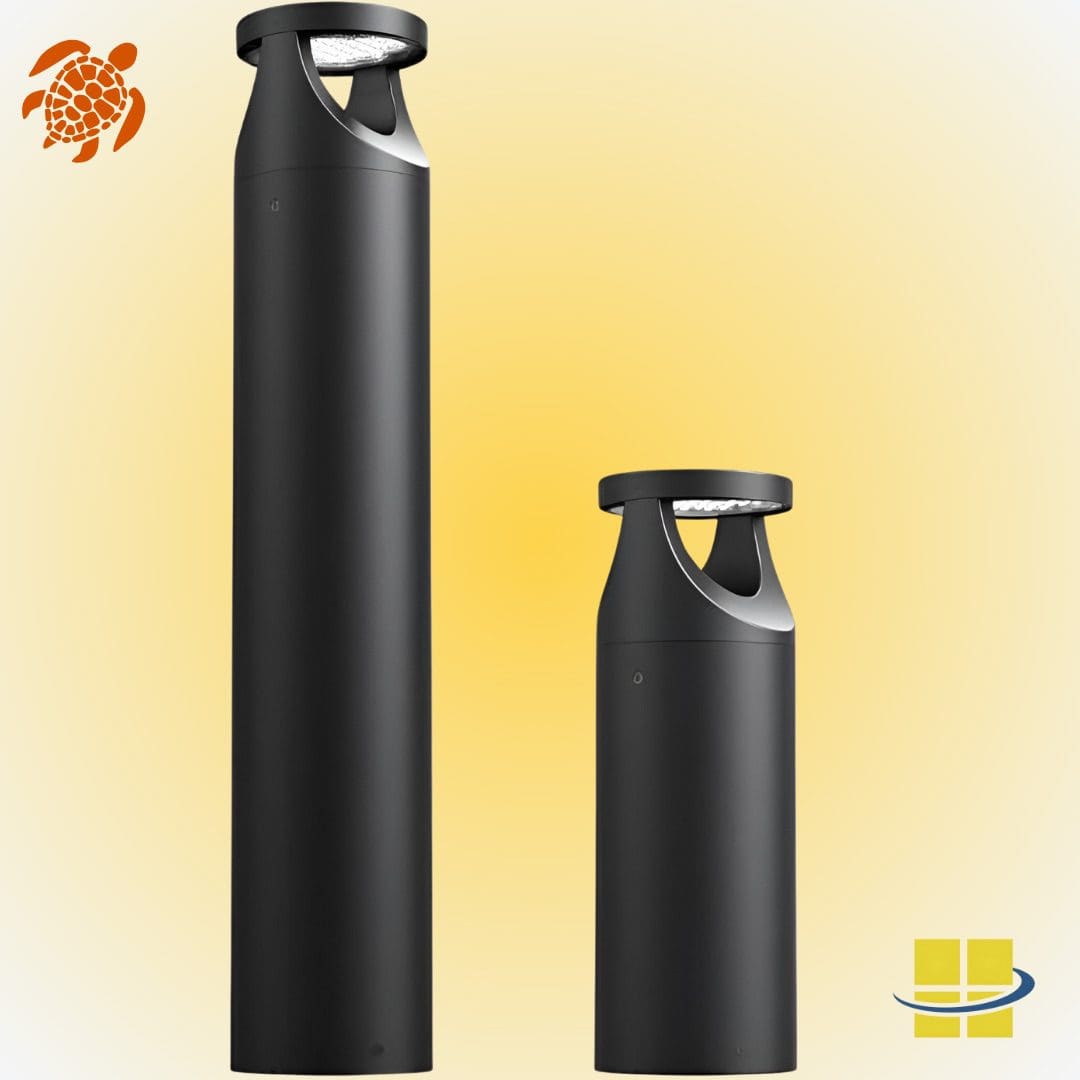
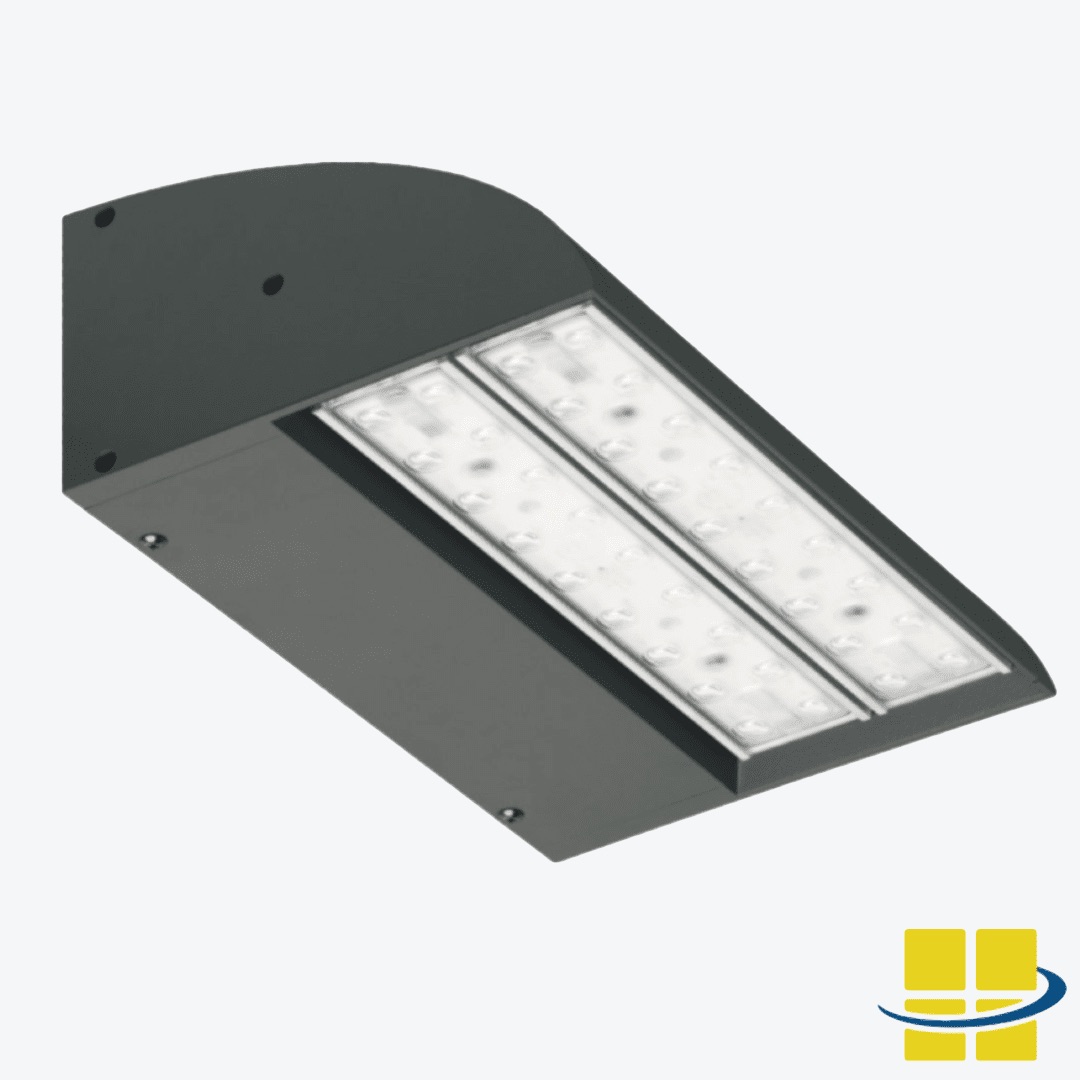
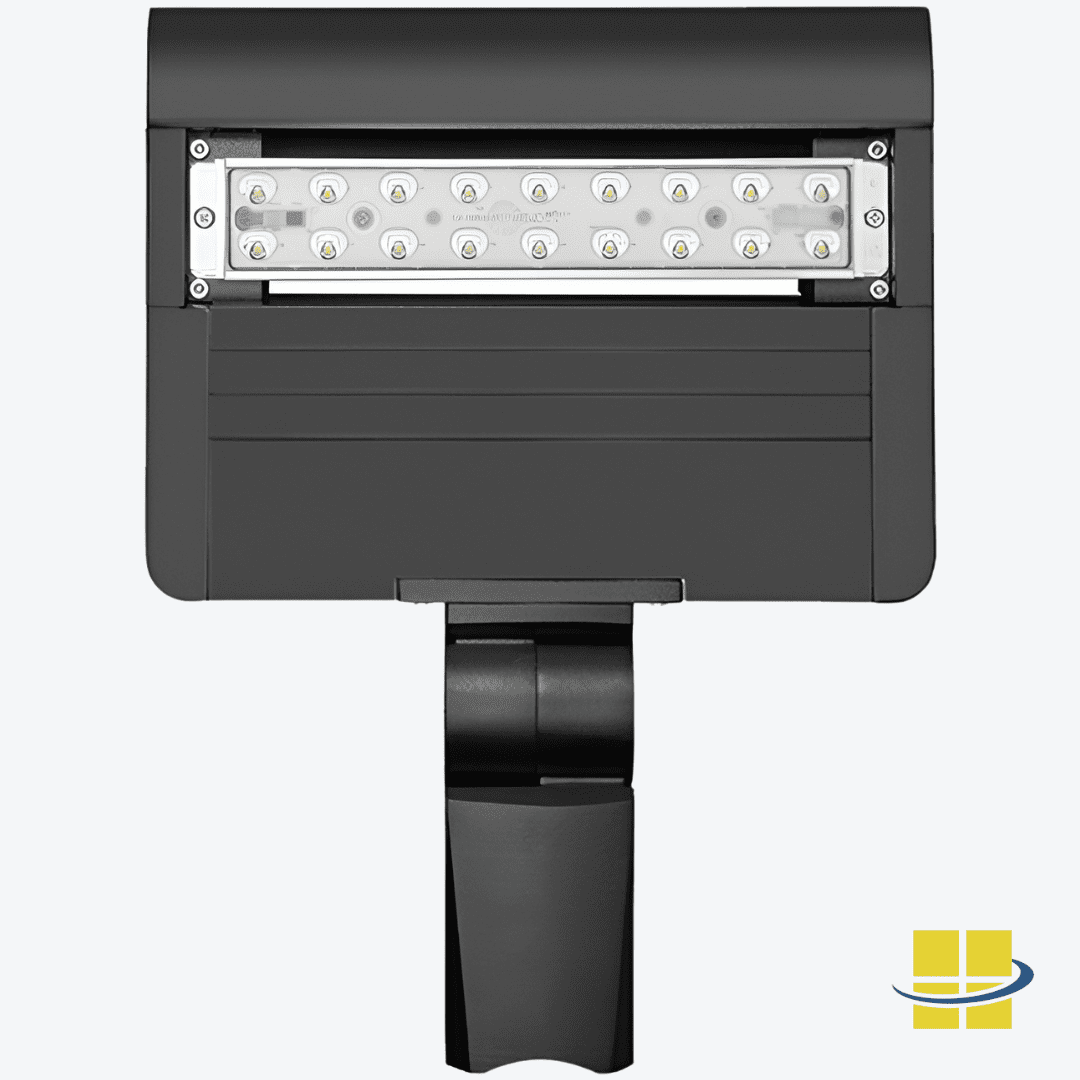
Access Fixtures’ lineup of Dark Sky-approved fixtures (our bollards, pathway lights, and shielded wall packs) will become the standard for "managed darkness." These fixtures provide the necessary localized safety for walkways or steps while ensuring no light trespass occurs sideways or upward to compound the ecological disaster being dictated from space. Even in a "daylight" city, localized spaces like parks or beachfronts protecting sea turtle hatchlings must use ground fixtures that are highly warm. 590nm is required for sea turtle hatchlings, while 590nm, PC Amber, or 2200 Kelvin work well for wildlife protection. Temperatures below 3000 Kelvin are used for Dark Sky-Compliant lighting. All exterior lighting should be shielded to preserve some vestige of natural darkness. Speak to an Access Fixtures Lighting Specialist About Your Dark Sky Compliant Lighting Project
Conclusion: The Promethean Dilemma
The proposal to "bathe cities in sunlight" presents a classic Promethean dilemma: do we bring fire to the night to accelerate the transition to green energy, or do we preserve the global commons, the dark night sky, to protect ecosystems and human health?
The night sky isn't a commodity; it is a global asset. While Access Fixtures supports solar innovation, we stand firmly for controlled, precise, and ecologically responsible lighting. We believe the local, ground-based control of light, the ability to turn a fixture on or off, is superior to a flood of light dictated from thousands of miles away that extinguishes the night.
The FCC comment deadlines pass in March 2026. Now is the time for regulators to decide what value they place on the dark. Access Fixtures will continue to provide the shielded, warm, compliant solutions that respect the darkness on the ground.
The Reflect Orbital FCC Proposal: Frequently Asked Questions (FAQs)
What exactly is "Sunlight-as-a-Service"?
It is a business model proposed by Reflect Orbital where sunlight is "sold" after dark. By using a constellation of satellites equipped with 18m x 18m mirrors, the company can redirect natural sunlight to specific 5km-wide zones on Earth during the night.
How bright will this orbital sunlight be?
The intensity is variable. Initial tests in 2026 aim for a brightness comparable to a full moon (approx. 0.1 to 0.8 lux). However, the long-term goal is to provide "configurable" light that can range from intense moonlight to the equivalent of full midday sun for solar farms.
Why is the FCC involved in a "lighting" project?
The Federal Communications Commission (FCC) regulates the "Space and Earth Station Services." Because these mirrors are housed on satellites occupying Low Earth Orbit (LEO), they require FCC licensing for orbital debris mitigation, frequency use, and general space safety.
When is the deadline to comment on this proposal?
Public comments for the Reflect Orbital filing (File SAT-LOA-20250701-00129) are being accepted through March 9, 2026. This is a critical window for astronomers, ecologists, and the public to voice concerns.
Will these mirrors make ground-based Dark Sky lighting obsolete?
No. In fact, they make it more critical. If a 5km "daylight zone" is created, the surrounding areas must use strictly controlled, shielded, and warm-colored (2200K or 590nm) fixtures to prevent "light spill" and provide safe, manageable pockets of darkness for humans and wildlife.
How do orbital mirrors affect sea turtles and other wildlife?
Unlike ground lights that can be turned off or shielded, orbital light comes from above and is far more intense. For sea turtle hatchlings, this "fake moon" creates a powerful lure that pulls them away from the ocean and toward land, leading to certain death from dehydration or predators.
Can these satellites be seen outside the target 5km zone?
Yes. Even if you aren't in the direct beam, the satellites will appear as "artificial stars" up to four times brighter than the full moon. This creates a permanent streak of light across the sky, disrupting both amateur stargazing and professional astronomical research.
What is the "Kessler Syndrome" mentioned in the analysis?
It is a theoretical scenario where the density of objects in Low Earth Orbit (like a 50,000-mirror constellation) is high enough that a single collision could cause a catastrophic chain reaction of debris. This would make certain orbits unusable for generations.