

Softball Field Lighting - LED Softball Field Lights
Planning to install or upgrade your softball field lights? This guide covers everything from the costs and benefits of LED lighting to essential design tips and regulatory standards. Learn how to enhance your softball field with efficient, high-quality, and cost-effective lighting solutions.
Key Takeaways
-
- Cost Efficiency: LED softball field lights offer significant cost savings through reduced energy consumption and lower maintenance expenses, making them a financially sound investment for facilities.
- Retrofitting Benefits: Retrofitting existing lighting systems with LED technology can provide improved illumination at a lower cost than complete new installations, enhancing the overall game experience.
- Lighting Design and Layout: Designing an effective lighting layout that meets established lighting standards ensures optimal visibility and safety during play, while proper pole placement and height are crucial for achieving uniform illumination.
Potential Cost of Installing LED Softball Field Lights
Installing LED lights for a softball field is an investment that requires careful financial planning. Typical installation costs can vary widely, influenced by factors such as the number of poles and the wattage requirements of the lights. However, the initial expense is often mitigated by the availability of multiple grants and incentives aimed at promoting energy-efficient lighting solutions. Engaging with lighting experts can help navigate these funding opportunities, ensuring that your softball lighting project remains within budget.
Identifying the various cost elements is essential. Installation costs include equipment prices, labor for setup, and site modifications. Grants and funding can significantly affect the overall budget, covering a substantial portion of expenses. Lighting professionals can help secure these financial aids, making the transition to LED lighting more affordable.
Understanding both installation costs and available funding is paramount. Leveraging financial assistance and making informed decisions can lead to a cost-effective and efficient lighting solution. This investment enhances the playing experience and contributes to long-term savings through reduced energy consumption and maintenance.
Retrofitting Existing Softball Field Lighting Systems with LEDs
Retrofitting existing lighting systems with LED lights is a practical approach to improve lighting efficiency without the need for an entirely new installation. The cost of retrofitting a softball field typically varies, depending on various factors such as the level of competition and the quality of LED fixtures used. This range provides a more affordable option compared to new installations, making it an attractive choice for many facilities.
Factors such as required brightness, LED quality, and the feasibility of reusing existing poles influence retrofitting costs. Reusing poles reduces overall conversion costs and eliminates extensive preparatory work, saving both money and time.
Retrofitting offers more than cost savings. LED lights provide superior illumination, enhancing player and ball visibility, thereby improving the overall game experience. Upgrading to LED lighting ensures efficient, high-quality illumination tailored to specific needs.
Operating and Maintenance Costs of LED Lights
One of the most compelling reasons to switch to LED lighting for softball fields is the significant reduction in operating and maintenance costs. LED lighting systems are renowned for their energy efficiency, which translates to lower electricity bills. Unlike traditional lighting systems, LEDs have a much longer lifespan, often exceeding 200,000 hours, which drastically reduces the frequency of replacements.
The durable design of LED lights means that maintenance costs are minimal. Traditional lights require regular bulb replacements, which involve labor costs and can disrupt the use of the field. In contrast, the long lifespan of LED lights virtually eliminates these ongoing expenses. This reduction in maintenance not only saves money but also ensures that the field remains well-lit and ready for play without frequent interruptions.
Lighting experts can further enhance savings by designing a solution that maximizes energy efficiency and minimizes maintenance needs. Leveraging their expertise ensures optimal performance, providing a cost-effective and reliable solution for players and facility managers.
Designing an Effective Softball Field Lighting Layout
Designing a lighting layout for a softball field is a meticulous process that requires careful consideration of various factors. The primary goal is to achieve uniform lighting across the field, with particular emphasis on brighter illumination for the infield compared to the outfield. This ensures that the high-action areas are well-lit, enhancing visibility for players and officials.
Using multiple light poles strategically placed around the field is essential for achieving balanced and even lighting. A recommended floodlight layout for smaller fields includes placing lights on either side of home plate, by the foul poles, and near 1st and 3rd base.
Lighting professionals can tailor the design to meet specific field requirements, ensuring optimal performance and compliance with standards.
Optimal Placement of Light Poles
The optimal placement of light poles is crucial for achieving sufficient and uniform lighting. For smaller softball fields, a four-pole arrangement is typically recommended to provide balanced illumination. Strategic placement near home plate and foul poles ensures effective coverage of the infield and minimizes shadows. Additionally, using taller poles can enhance overall light distribution and reduce glare.
Choosing the appropriate optic or beam angle is equally important. Floodlights should be aimed at critical areas like the infield diamond and the far infield/near outfield to ensure comprehensive coverage. Proper aiming and placement also help control glare, providing a comfortable viewing experience for players, officials, and spectators.
Adhering to these guidelines ensures a lighting solution that meets all stakeholders’ needs.
Recommended Pole Heights for Different Field Sizes
The height of light poles is another important factor in designing an effective lighting layout. For small softball fields, poles should ideally stand between 40 to 50 feet high to provide optimal illumination. This height helps avoid issues such as light spillage into residential areas, ensuring that the lighting is focused on the playing field where it is needed most.
Benefits of Using LED Lights for Softball Fields
The benefits of using LED lights for softball fields are numerous and impactful. One of the most significant advantages is the reduction in electricity consumption compared to traditional lighting systems. This leads to substantial cost savings over time, making LED lighting a financially sound investment for any facility.
In addition to energy savings, LED lights boast an impressive lifespan, often exceeding 200,000 hours. This longevity means fewer replacements and lower maintenance costs, further enhancing the cost-effectiveness of LED lighting solutions. Moreover, the brightness adjustment features of LED lights enable facilities to manage running costs more effectively by adjusting the illumination levels based on the specific needs of each game or event.
LED lights also contribute to a more comfortable playing environment. By reducing glare and enhancing visibility, they create a safer and more enjoyable experience for players and spectators alike. These benefits underscore the value of LED lighting for softball fields, making it a superior choice for both performance and cost efficiency.


Meeting Softball Field Lighting Standards
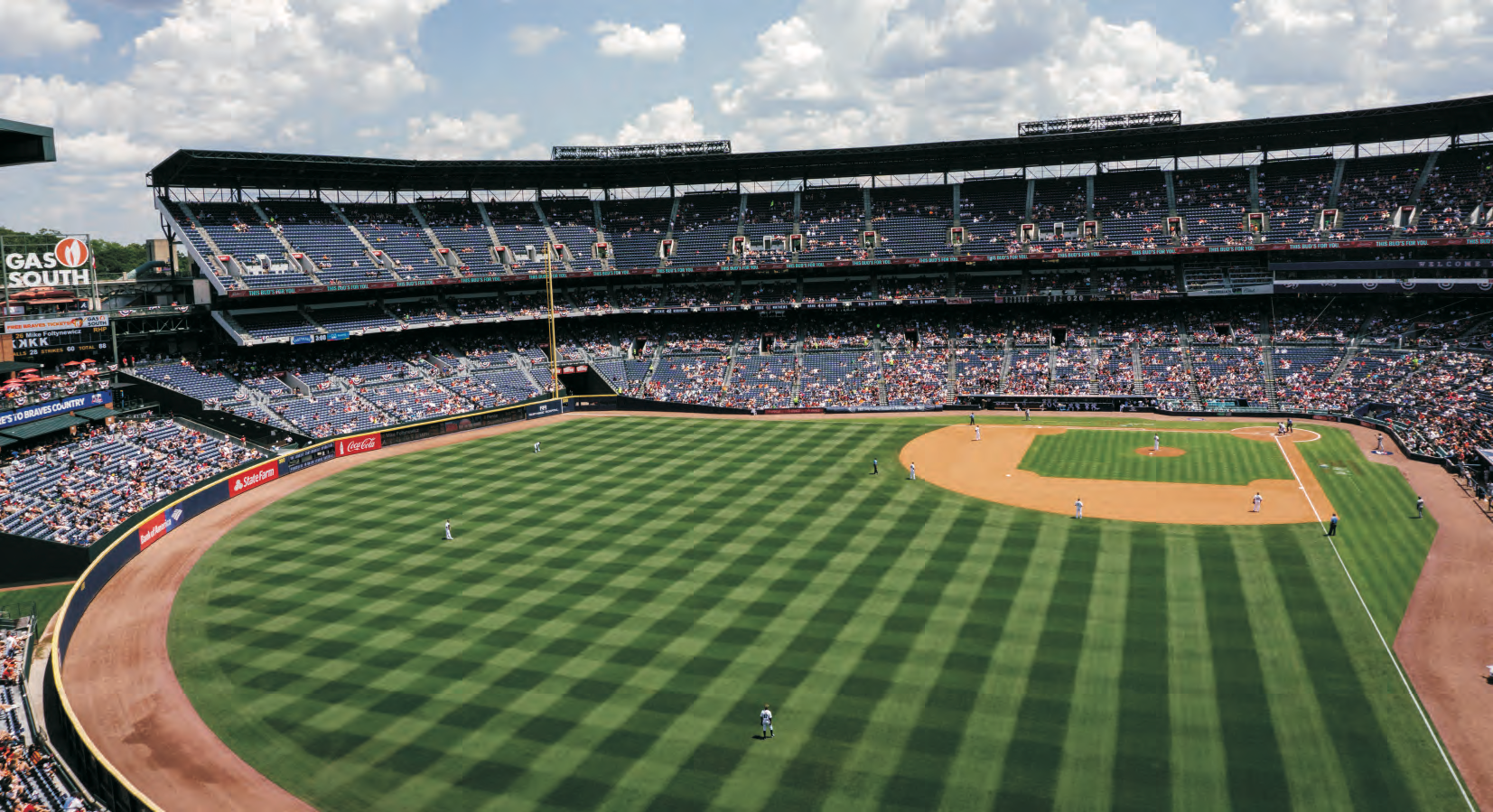
Meeting the established lighting standards for softball fields is essential to ensure clear visibility and safety for all participants. Proper lighting is crucial for both baseball and softball, ensuring that players, officials, and spectators can clearly follow the action and ball movement. Since most of the fast-paced action occurs in the infield, this area requires higher illumination and greater uniformity compared to the outfield.
Adhering to these standards not only enhances the playing experience but also ensures compliance with regulatory requirements. Lighting experts can provide guidance on meeting these standards, ensuring that your softball lighting project achieves the desired level of illumination and uniformity.
This attention to detail is vital for creating a well-lit, safe, and enjoyable environment with sufficient lighting for all.
Key Lighting Considerations
Several key considerations must be taken into account when designing lighting for a softball field. Player visibility and shadow control are paramount; the lighting should minimize shadows and provide clear modeling of players. Additionally, glare management is essential to ensure that players, officials, and spectators are not blinded by the lights during the game.
Pole placement and sightlines are also critical. Poles should be positioned to avoid obstructing key sightlines and should not be placed within a 90° zone behind home plate to maintain optimal visibility for outfielders.
Bi-directional lighting, which involves illuminating the field from multiple angles, helps ensure even coverage and accurate player modeling. By considering these factors, facilities can design a lighting solution that meets the needs of all stakeholders.
EN12193 Lighting Standards
The EN12193 standards provide a comprehensive framework for lighting sports facilities, including softball fields. These standards classify lighting requirements into three main classes, each with specific criteria for infield and outfield illuminance, glare rating, and color rendering index. Class I is intended for professional and collegiate play, Class II for high-level recreational and club play, and Class III for recreational and community play.
Adhering to these standards ensures that the lighting provides sufficient illumination for the level of play, minimizes glare, and accurately renders colors. This is crucial for maintaining a high-quality playing surface and ensuring the safety and comfort of players and spectators.
By following the EN12193 standards, facilities can achieve a lighting solution that meets the specific needs of their softball field.
Lighting Specifications
Proper lighting design must account for the type of sport and level of play to ensure safety and visibility. This involves selecting the right fixtures, calculating the necessary lumens, and determining the optimal placement of light poles.
The following subsections provide detailed specifications for different levels of play, helping facilities meet their specific lighting needs.
Class I - Professional & Collegiate Play
For professional and collegiate play, the lighting specifications are more stringent to accommodate the high level of competition. This includes using eight poles of 18 meters each, equipped with a combination of 960W and 1440W floodlights. The system power required is approximately 26.88KW, providing an infield illuminance of over 70 footcandles with a minimum/average ratio of ≥0.7, and an outfield illuminance of over 50 footcandles with a minimum/average ratio of ≥0.5.
These specifications ensure that the field is well-lit to support high-level play, with a color rendering index of over 70 and a glare rating of 40. The upward light ratio is kept at 3%, and the maintenance factor is 0.9, ensuring that the lighting system remains effective and efficient over time.
Class II - High-Level Recreational & Club Play
For high-level recreational and club play, the lighting specifications are slightly less stringent but still ensure quality illumination. This includes using eight poles of 18 meters each, with a combination of 960W and 1440W floodlights. The system power required is approximately 19.2KW, providing an infield illuminance of over 50 footcandles with a minimum/average ratio of ≥0.7, and an outfield illuminance of over 30 footcandles with a minimum/average ratio of ≥0.5.
These specifications support recreational and club play, with a color rendering index of over 70 and a glare rating of 40. The upward light ratio is kept at 2.5%, and the maintenance factor is 0.9, ensuring long-term performance and efficiency.
Class III - Recreational & Community Play
For recreational and community play, the lighting requirements are designed to provide adequate illumination while being cost-effective. This includes using six poles of 18 meters each, equipped with 960W floodlights. The system power required is approximately 5.76KW, providing an infield illuminance of over 20 footcandles with a minimum/average ratio of ≥0.5, and an outfield illuminance of over 10 footcandles with a minimum/average ratio of ≥0.3.
These specifications ensure that the field is sufficiently lit for community activities, with a color rendering index of over 70 and a glare rating of 38. The upward light ratio is kept at 1%, and the maintenance factor is 0.9, ensuring that the lighting system is both effective and efficient over time.
Determining the Necessary Lumens for Your Field
Determining the necessary lumens for your softball field involves understanding the specific lighting needs based on the level of play and field size. For college sports lighting, the recommended brightness is 50 footcandles (fc), while amateur leagues typically require around 30 footcandles (fc). The size of the field also plays a crucial role, with softball fields generally ranging from 4,000 to 10,000 square meters.
Factors such as the competition level and specific field dimensions influence the required lighting levels. For example, Little League fields typically need around 500,000 lumens for adequate lighting.
Understanding that 1 footcandle equals 1 lumen per square meter helps correlate surface illumination and ensures that the lighting design meets the specific needs of the field.
Calculating the Number of LED Fixtures Needed
Calculating the number of LED fixtures needed for your field involves understanding the lumens required for different levels of play. A high school softball field, for instance, requires between 2,100,000 to 3,500,000 lumens for adequate illumination. Illumination levels vary significantly based on the game’s level, with professional fields needing the highest lumens.
The number of fixtures needed can vary based on the field’s specific dimensions. For general competition fields, around 10-14 fixtures are typically necessary to ensure effective lighting.
Understanding lumens rather than just watts is crucial in selecting the right lighting fixtures for optimal performance. Different configurations of LED fixtures can be utilized based on the unique requirements of each softball field.
Selecting the Right LED Softball Field Lighting Supplier
Choosing the right supplier for LED softball field lighting is crucial for ensuring quality and meeting project needs. Reputable companies can be found using a sports lighting partner finder, which provides a list of recommended partners based on your project needs. Services like Sports Venue Calculator connect clients with top lighting companies, acting as an independent advisor to help you make the best choice.
Choosing a quality supplier ensures that the lighting solution meets the specific requirements of your softball field, providing adequate lighting for players, officials, and spectators. Experienced lighting experts offer insights into the latest technologies and design methodologies, ensuring a successful and efficient project.

Baseball/Softball Class I

Baseball/Softball Class II

Baseball/Softball Class III
Expert Advice on LED Lighting Solutions
Seeking expert advice is invaluable when planning and implementing LED lighting solutions for softball fields. Creating a tailored lighting plan before purchasing LED lights ensures that the specific needs of the field are met. Networking with experienced lighting companies can provide insights into the latest technologies and design methodologies, offering a competitive edge in achieving the best lighting solution.
Experts guide you through the entire process, from planning to installation, ensuring your lighting system is efficient, cost-effective, and compliant with standards. Leveraging their knowledge ensures optimal performance and long-term benefits from your LED lighting investment. Contact an Access Fixtures Lighting Specialist to discuss your Softball Field Lighting Project.
Conclusion
In conclusion, LED lighting offers numerous benefits for softball fields, including reduced energy consumption, lower maintenance costs, and improved visibility and safety. Understanding the cost implications, designing an effective lighting layout, and adhering to lighting standards are crucial steps in achieving a successful lighting project. Retrofitting existing systems with LED lights provides a cost-effective option, while careful consideration of operating and maintenance costs ensures long-term savings.
By selecting the right supplier and seeking expert advice, you can ensure that your softball field lighting project meets its goals and provides a superior playing environment. Investing in LED lighting not only enhances the game experience but also contributes to the overall sustainability and efficiency of the facility. Let this guide be your roadmap to achieving a well-lit, high-performance softball field that shines brightly for years to come.
LED Softball Field Lighting Frequently Asked Questions (FAQs)
You have LED softball field lighting questions. We have answers. If you have a question that isn’t answered below, contact an Access Fixtures lighting specialist at (800) 468-9925 or click here.
How much does it cost to put lights on a softball field?
The cost to install lights on a softball field typically varies depending on the type of lighting and the extent of the installation. It is essential to consider factors such as the quality of materials and labor costs to arrive at an accurate estimate.
What are the lights on a baseball field called?
The lights on a baseball field are commonly known as metal halide sports lights, typically ranging from 400 to 1500 watts, with 1500-watt lights being most prevalent for optimal visibility.
How much do field lights cost?
The cost of installing LED field lights for a football field can vary widely but generally varies, depending on the quality of lights and installation specifics. It is advisable to obtain quotes from multiple suppliers to find the best option for your needs.
How many lights are needed for a softball field?
A softball field typically requires four lighting poles for adequate illumination, especially for smaller fields up to 250 feet from the outfield fence. This configuration consists of two poles near home plate and two at the foul lines in the outfield.
How much does it cost to retrofit existing softball field lighting systems with LEDs?
Retrofitting existing softball field lighting systems with LEDs typically varies in cost influenced by the competition level and the quality of the LED fixtures chosen. Therefore, careful consideration of these factors is essential for budget planning.