
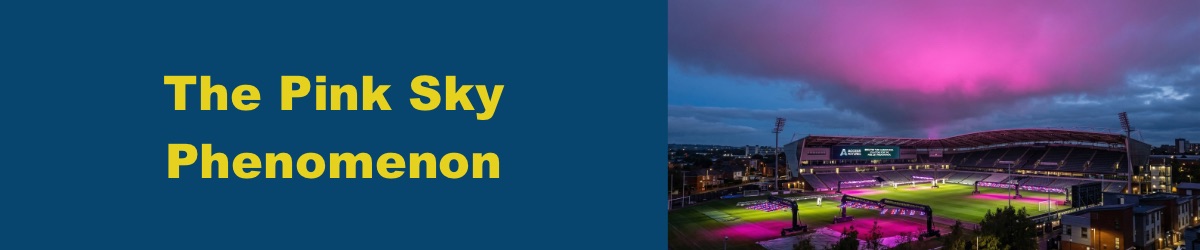
At Access Fixtures, we understand the vital role lighting plays in both sports performance and agricultural success. However, the "pink sky" phenomenon highlights a growing tension between professional stadium management and the global push for Dark Sky compliance.
In this deep dive, we explore the dual nature of stadium grow lights, their ecological footprint, and how we can bridge the gap between high-performance turf and environmental stewardship.
Key Takeaways
-
- The "Pink Sky Phenomenon" is a byproduct of modern agriculture: The neon glow is caused by high-intensity LED grow lights using red and blue spectrums reflecting off low cloud cover and moisture above stadiums
- Balance between performance and pollution: While these lights are essential for year-round pitch quality and player safety, they contribute significantly to skyglow and disrupt the natural night environment
- Dark Sky compliance is the solution: Mitigating the "pink sky" requires a combination of Access Fixtures' IDA-Approved lighting, precision optics to prevent light spill, and physical barriers like automated light-blocking curtains.
Why Stadiums Go Pink: The Science of Turf Growth
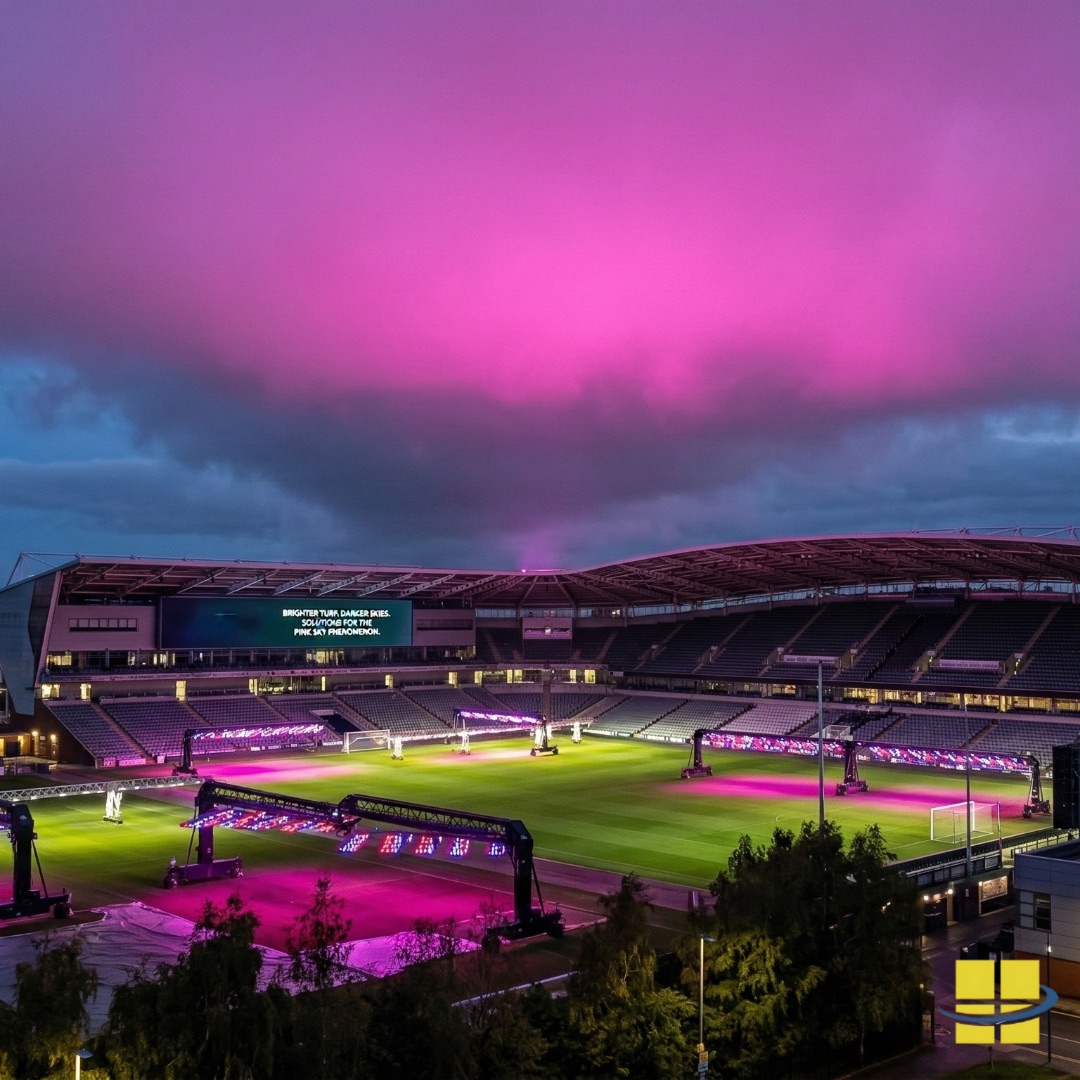
Modern stadium architecture is breathtaking, but it often creates a "canyon effect." High roofs and steep stands create deep shade zones that starve natural grass of sunlight. To maintain a Premier League-caliber pitch, groundskeepers use mobile LED rigs that bathe the turf in a specific cocktail of light: red, blue, and infrared.
When these wavelengths reflect off low cloud cover or moisture in the air, they create the vibrant pink aura seen for miles.
"Overcome the 'Canyon Effect' Responsibly. Discover how our ASTA series provides deep-penetrating light with zero upward waste.
The Positive Impacts: Why Grow Lights are Necessary
- Year-Round Pitch Quality: In northern climates, natural sunlight is insufficient during winter. Grow lights ensure photosynthesis continues, preventing the pitch from thinning.
- Enhanced Player Safety: A patchy or muddy field is a recipe for ACL tears and ankle injuries. Consistent light leads to consistent root density, providing a stable, safe playing surface.
- Increased Wear-Tolerance: Professional pitches face extreme "traffic." Supplemental lighting allows the grass to recover faster between matches, extending the life of the turf.
- Economic Viability: A healthy pitch allows stadiums to host more events, from concerts to multi-sport tournaments, without needing to replace the sod every few months.
Get The Pitch Performance You Need Without The Skyglow
The Dark Side of the Glow: Negative Impacts
While the grass may be greener, the sky is certainly brighter, and that comes with a cost.
1. Light Pollution and the "Skyglow" Effect
The primary concern for organizations like DarkSky UK is "waste light." When light is directed upward or reflected off the ground without shielding, it contributes to skyglow, erasing our view of the stars. This isn't just an aesthetic loss; it’s a form of environmental degradation.
2. Disruption of Biological Rhythms
The human body relies on the circadian rhythm, a 24-hour internal clock dictated by light and dark. As noted in a recent House of Lords Science and Technology Committee report, prolonged exposure to artificial light at night (ALAN) can disrupt sleep patterns and has been linked to increased risks of heart disease and other metabolic issues.
3. Ecological Harm to Wildlife
For the local ecosystem, a pink sky is an "environmental disaster."
- Insects: Many nocturnal insects are fatally attracted to bright light sources, disrupting the base of the food chain.
- Birds: Migratory birds rely on starlight for navigation. Intense urban glow can disorient them, leading to exhaustion or fatal collisions.
- Bats: Artificial light can create "light barriers," preventing bats from reaching their traditional feeding grounds or emerging from their roosts.
Don’t let your facility become a 'pink sky' headline. Discover how automated shielding and targeted optics protect the night sky.
Learn More About Choosing the Best Light Distribution Types for Your Needs
Learn More About Light Shields and How They Improve Lighting
Access Fixtures and the Dark Sky Initiative
At Access Fixtures, we believe that high-performance lighting shouldn't come at the expense of our natural environment. This Birmingham incident underscores the urgent need for Dark Sky-compliant lighting.
What is Dark Sky Compliance?
It is a standard of lighting designed to minimize glare while reducing light trespass and skyglow. Key components include:
- Full Shielding: Ensuring light is directed downward, exactly where it is needed (the turf), rather than into the atmosphere.
- Spectrum Management: Using warmer color temperatures or specific filters to reduce the "blue light" scattering that contributes most to light pollution.
- Smart Control Systems: Utilizing timers and dimmers to ensure lights are only at full intensity when absolutely necessary.
How We Can Help
For stadiums and athletic facilities, the challenge is containing the "grow" light while maintaining the "glow" of the stadium's exterior. Access Fixtures provides a wide array of IDA-Approved (International Dark-Sky Association) fixtures for stadium perimeters, parking lots, and walkways.
By using optics that prevent light spill, we help facilities stay "good neighbors" to the community and the environment. While the grow lights on the pitch serve a specific agricultural purpose, the surrounding infrastructure must be managed with precision to mitigate the total light footprint.
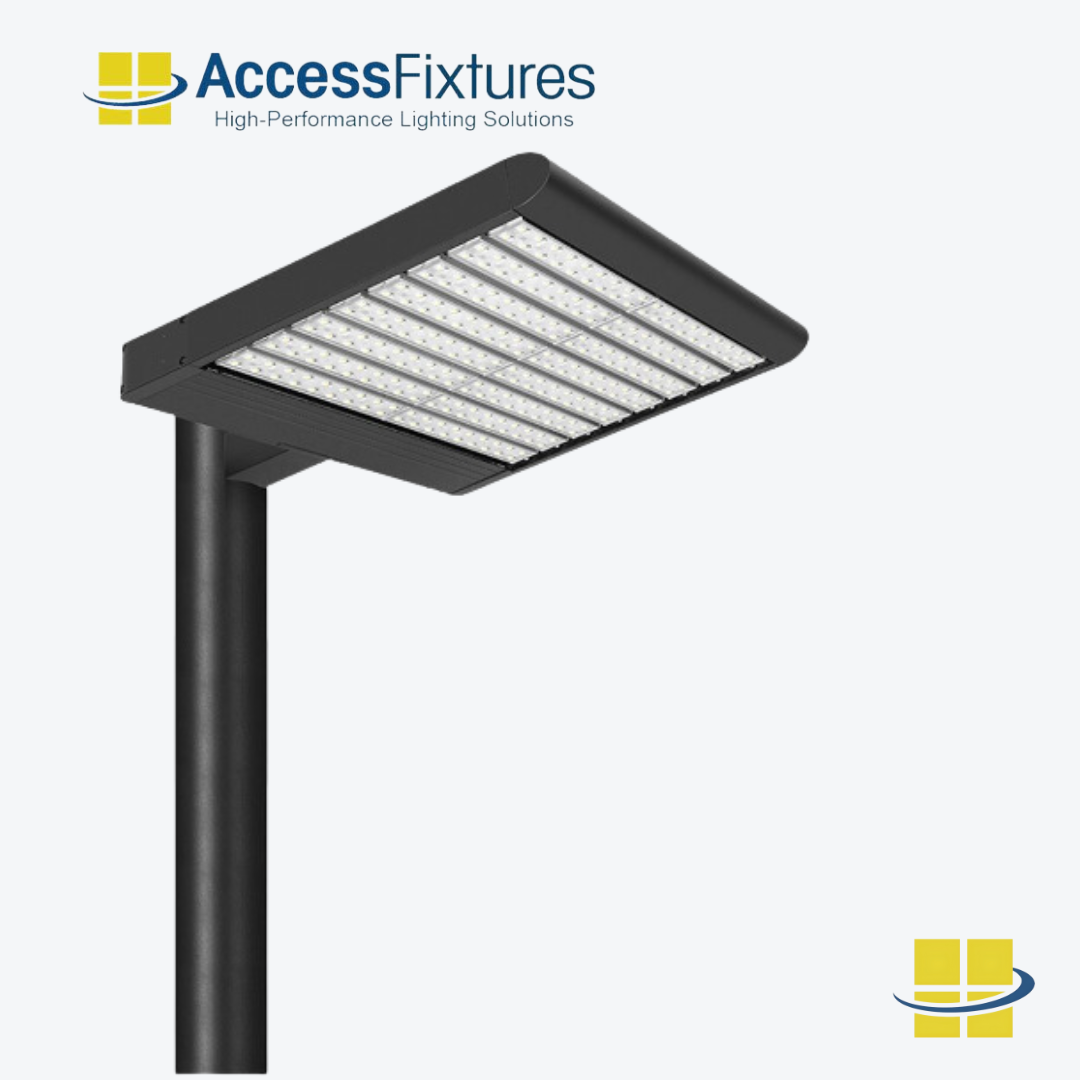
ASTA LED Sports Lights are Full Cutoff, Available with 3000K LEDs, and Offer an Optional Backlight Shield
Meet Premier League standards and Dark Sky compliance simultaneously. Talk to a lighting specialist about your facility’s footprint. Get In Touch
The Future of Stadium Lighting
The conversation around the Birmingham "pink skies" is a wake-up call. The next generation of stadium technology must focus on contained growth. This includes:
- Automated Curtains: Some advanced stadiums are experimenting with light-blocking "skirts" around grow rigs to keep the light on the grass and out of the clouds.
- Targeted LED Optics: Refining the beam angle of grow lights to ensure 99% of the lumens hit the blades of grass.
Conclusion
Stadium grow lights are a triumph of agricultural engineering, but they cannot exist in a vacuum. As we strive for perfect pitches and world-class sporting events, we must also protect our right to a dark sky and a healthy ecosystem.
Are you looking to upgrade your facility with lighting that respects the environment? Explore Access Fixtures’ range of Dark Sky-compliant lighting solutions today. Let’s keep the light where it belongs, on the ground, not in the sky.
Frequently Asked Questions About The Pink Sky Phenomenon
Why does stadium lighting sometimes turn the sky pink?
The "pink sky" effect is caused by high-intensity LED grow lights, specifically those using red and blue spectrums, reflecting off low-hanging clouds and moisture in the atmosphere. This is common in stadiums where artificial light is used to maintain turf in shaded areas.
What is Dark Sky compliance in sports lighting?
Dark Sky compliance refers to lighting designed to minimize light pollution. This includes using Full Cutoff fixtures that direct light downward, choosing warmer color temperatures (like 3000K) to reduce blue light scattering, and implementing smart controls to dim lights when they aren't in use.
How do stadium grow lights affect local wildlife?
Intense artificial light at night (ALAN) can disorient migratory birds, disrupt the feeding patterns of bats, and fatally attract nocturnal insects, which are the foundation of the local food chain.
Can you have a professional-grade pitch while remaining Dark Sky compliant?
Yes. By using precision-targeted optics that ensure 99% of lumens hit the grass, alongside physical barriers like automated light-blocking curtains or skirts, stadiums can maintain elite turf quality without contributing to skyglow.
Does Access Fixtures provide IDA-Approved lighting?
Yes, Access Fixtures offers a wide range of International Dark-Sky Association (IDA) Approved fixtures, including the ASTA LED series, which features full shielding and backlight shields to prevent light spill.