
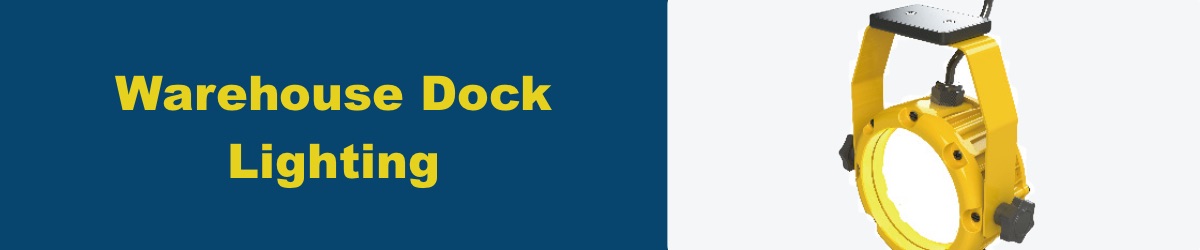
Warehouse Dock Lighting: The Complete Guide to Illuminating Your Loading Area
In the fast-paced world of warehouse logistics, proper dock lighting does more than just illuminate; it transforms your loading areas into safer, more efficient workspaces. Whether you’re managing standard deliveries or handling peak seasonal demands, the right lighting solution can dramatically reduce accidents, increase productivity, and create an environment where both your team and truck drivers can perform at their best.
This comprehensive guide explores everything you need to know about warehouse dock lighting, from available options and material considerations to configuration strategies for both everyday operations and high-demand periods.
Key Takeaways
-
- Investing in energy-efficient LED dock lights significantly enhances safety and productivity by providing bright, uniform illumination while reducing energy consumption and maintenance costs.
- Adjustable arm dock lights and integrated red/green signaling systems improve operational flexibility and communication between dock workers and truck drivers, minimizing accidents and delays.
- Selecting durable materials like aluminum, polycarbonate, and steel reinforcements ensures long-lasting performance and resilience in demanding warehouse loading dock environments.
Warehouse dock lights: Which ones can you find in our collection?
The warehouse dock lighting offers a diverse range of solutions, each engineered to address specific operational challenges in your loading area. Modern dock lights provide targeted illumination that enhances visibility while reducing energy consumption compared to traditional lighting systems.
Standard Dock Lights
These fixtures are designed to deliver focused illumination from the dock door into the trailer. Quality models feature optics that create uniform, glare-free beams that reach even the deepest corners of trailers. Unlike traditional incandescent or halogen bulbs, LED dock lights deliver superior brightness while consuming significantly less energy.
LED Loading Bay Lights
For high-traffic loading zones, LED loading dock lights provide exceptional coverage and durability. These energy-efficient fixtures can reduce your energy consumption by up to 80% compared to halogen bulbs, while offering operational lifespans exceeding 50,000 hours—making them the smart choice for facilities focused on both sustainability and cost control.
Trailer Interior Lights
When you need to illuminate the depths of truck trailers, these specialized lights feature intensely focused beams with high lumen outputs. Their rugged construction includes impact-resistant polycarbonate heads that withstand the vibrations and rough handling common in busy loading environments.
Adjustable Arm Dock Lights
Flexibility is key in dynamic loading environments, which is why adjustable arm dock lights are essential for many facilities. These versatile fixtures feature articulating, telescoping, or gooseneck arms that allow you to position light exactly where it’s needed, then fold away when not in use.
Which type of dock light to choose?
Selecting the ideal dock light for your facility requires understanding both your unique operational requirements and the physical layout of your loading area. Different challenges call for specific lighting solutions that address your most pressing concerns.
For Narrow Loading Bays
If you have a narrow loading bay, opt for a light with an extended arm fixture. This design helps eliminate shadows and dark spots between the dock and the trailer, ensuring complete visibility throughout the loading process. Flexible gooseneck models allow you to adjust the light position easily, making them ideal for tight spaces.
For Poor Visibility Inside Trailers
Deep trailers with limited natural light create challenging cargo areas where items can be easily missed. To overcome this, choose high-intensity LED dock lights with focused beam technology. These fixtures illuminate the entire trailer interior, eliminate dangerous shadows, and showcase your products clearly for accurate loading and unloading.
For Uneven Loading Surfaces
Dock lights with wide-angle illumination and multiple fixture heads highlight potential trip hazards and uneven surfaces. By revealing these dangers, you protect both your workers and your inventory from accidents that could interrupt your workflow.
For High-Volume Areas
In busy loading docks, durability is essential. Choose dock lights with impact-resistant housing designed to withstand the rigors of constant activity. Steel-reinforced models offer exceptional protection against the bumps and jolts common in high-traffic environments.
The dock light - what material should it be made of?
The material composition of your dock light isn’t just about aesthetics; it’s a critical factor that determines durability, performance, and long-term value. Different materials offer distinct advantages that make them suitable for specific loading dock environments.
Aluminum Construction
Aluminum-constructed fixtures are prized for their exceptional durability combined with lightweight design for easy positioning. This material excels at heat dissipation, allowing lights to operate for extended periods without overheating, a crucial feature for busy loading docks with continuous operations.
The corrosion-resistant properties of aluminum make these fixtures ideal for facilities in humid or variable climate conditions. For optimal performance, look for models that incorporate other metal alloys to enhance structural strength while maintaining the lightweight benefits of aluminum.
Polycarbonate Components
Polycarbonate is an engineered material with excellent impact resistance, making it perfect for the rough handling common in warehouse environments. Dock lights featuring polycarbonate construction maintain their integrity despite regular impacts and vibrations, ensuring consistent performance throughout their lifespan.
This advanced material also resists cracking and UV degradation, which helps preserve both functionality and appearance over years of service. The resilience of polycarbonate makes it particularly valuable for the light housing and heads, which often absorb the brunt of accidental impacts.
Steel Reinforcements
For maximum durability in extremely demanding environments, consider dock lights that combine steel structural elements with aluminum or polycarbonate components. This hybrid approach delivers exceptional impact protection while maintaining practical weight and usability.
Steel-reinforced models are especially valuable in facilities where backing accidents are common or where lights are frequently bumped by equipment or inventory. The additional investment in these heavy-duty materials typically pays for itself through reduced replacement costs and maintenance downtime.
Additional Resources
Warehouse lighting – how to configure it for everyday operations?
Configuring your warehouse dock lighting for everyday operations requires balancing immediate illumination needs with energy efficiency and user convenience. A thoughtful setup ensures your loading dock remains safe and productive during routine activities.
Basic Configuration
A fixed or articulating dock light provides the foundation for everyday warehouse operations. Standard models deliver reliable illumination for routine loading and unloading, inventory management, and regular shipment processing. For autumn and winter months, when darkness comes earlier, enhance this setup with additional overhead lighting to maintain consistent visibility throughout your facility.
To maximize energy efficiency, consider pairing your dock lights with motion sensors and programmable timers. These smart controls ensure lights operate only when needed, reducing energy consumption while maintaining safety standards.
Safety Integration
For a more comprehensive approach, choose dock lights with built-in indicators and pair them with loading dock communication systems. This integration allows real-time status updates between your loading dock, control room, and truck drivers, creating a safer, more coordinated environment.
Green and red indicator lights help drivers understand when it’s safe to back into position or pull away from the dock, preventing costly accidents and miscommunications. These visual signals are especially valuable in noisy environments where verbal instructions might be difficult to hear.
Specialized Configuration
For facilities with unique workflow requirements, consider a swivel-mount dock light paired with automated dock levelers. This combination streamlines operations by reducing manual adjustments and ensuring consistent illumination regardless of trailer position.
Centralized control systems allow dock managers to monitor and adjust lighting across multiple bays from a single station, improving efficiency and ensuring consistent safety standards throughout your loading area. These systems are particularly valuable for facilities with variable lighting needs throughout the day.
Warehouse lighting - how to configure it for high-demand periods?
High-demand periods place extraordinary stress on your loading facilities, making a robust dock lighting configuration essential for maintaining safety and throughput. During peak operations, enhanced visibility becomes even more critical as activity levels and potential risks increase.
Comprehensive Illumination
During high-volume periods, combine individual dock lights with extensive area illumination to create a fully visible working environment. This layered approach eliminates shadows and ensures every worker can clearly see both potential hazards and the materials they’re handling.
LED dock lights are particularly valuable during these intense periods, as they provide consistent, bright illumination without generating excess heat or requiring frequent bulb replacements. Their energy efficiency also helps control costs during extended hours of operation.
Integrated Safety Systems
Match your warehouse dock lighting with vehicle restraint systems to create a synchronized safety environment. When dock lights are paired with trailer locking mechanisms, both systems can work together to prevent early departures and ensure vehicles remain securely positioned throughout the loading process.
Red and green communication lights integrated with these restraint systems provide clear visual messages to both dock workers and truck drivers about the status of the dock. This visual confirmation is especially valuable during hectic periods when verbal communication might be challenging.
Emergency Backup Systems
Power outages during peak periods can be particularly disruptive, making backup lighting systems an essential component of your high-demand configuration. Battery-backed LED dock lights ensure continuous operation during unexpected power failures, allowing for safe completion of in-progress loading or controlled shutdown of operations.
These emergency systems should be regularly tested and maintained to ensure they’ll perform reliably when needed. Many modern backup systems include automatic testing features that alert facility managers to potential issues before they become critical.



Centralized Management
For maximum efficiency during high-demand periods, install a wall-mounted control panel that manages all aspects of your dock lighting system. This centralized approach allows supervisors to monitor multiple docks simultaneously and make quick adjustments as operational needs change throughout the shift.
Advanced control systems can even track usage patterns and energy consumption, providing valuable data for optimizing both lighting performance and cost efficiency. These insights help facility managers balance immediate operational needs with long-term sustainability goals.
Choosing the right warehouse dock lights for your facility
Selecting the perfect warehouse dock lighting solution requires careful consideration of your specific operational requirements, physical space constraints, and safety priorities. The right choice will deliver significant benefits in productivity, safety, and energy efficiency.
Assess Your Current Setup
Begin by evaluating your existing dock lights and identifying specific pain points. Are there dark spots in trailers? Do truck drivers struggle to position correctly at your dock door? Is energy consumption excessive with your current fixtures? Understanding these challenges will guide your selection process toward solutions that address your most pressing needs.
Consider Long-Term Value
While initial price is always a consideration, the true cost of dock lighting includes energy consumption, maintenance requirements, and expected lifespan. LED dock lights typically offer the best long-term value, with their minimal energy usage and extended operational life more than offsetting their higher purchase price compared to incandescent or halogen options.
Prioritize Safety Features
The safest dock lights combine excellent illumination with clear communication capabilities. Look for models that incorporate both functions, with bright, focused beams for visibility and intuitive signaling to coordinate movement between truck drivers and dock personnel.
Easy Installation and Maintenance
Choose dock lights designed for simple installation and straightforward maintenance. Models with tool-free adjustments and easy bulb replacement minimize downtime and reduce the need for specialized technical support, keeping your loading dock operational even during maintenance periods.
Conclusion
Effective warehouse dock lighting transforms your loading area from a potential hazard zone into a model of efficiency and safety. By carefully selecting, positioning, and configuring your dock lights based on your specific operational needs, you’ll create a loading environment that impresses with both functionality and forward-thinking design.
The right lighting solution pays dividends through reduced accidents, improved productivity, and lower energy costs, all while creating a more comfortable and effective workspace for your team. Whether you’re managing everyday operations or preparing for peak demand periods, a thoughtfully designed dock lighting system provides the visibility and safety your facility needs to perform at its best.
Evaluate your current dock lighting setup against these best practices to identify opportunities for safety and efficiency improvements. Consider upgrading to LED dock lighting solutions for immediate energy savings and long-term operational benefits that will serve your facility for years to come.
Frequently Asked Questions (FAQs) about Warehouse Dock Lighting
What is the best type of lighting for a warehouse dock?
LED dock lights are generally the best choice due to their superior brightness, energy efficiency, and long lifespan compared to incandescent or halogen bulbs. They provide clear, focused illumination that enhances safety and productivity.
How do loading dock lights improve safety?
Proper dock lighting eliminates dark spots and shadows, reducing the risk of accidents such as trips, falls, and collisions. Integrated red/green signaling lights also help communicate clear messages to truck drivers and dock workers, preventing miscommunications and unsafe movements.
Can dock lights be adjusted to fit different trailer sizes?
Yes, adjustable arm dock lights, including articulating, telescoping, or gooseneck designs, allow you to position the light exactly where it’s needed for different trailer sizes and loading configurations.
Are LED dock lights energy efficient?
Absolutely. LED dock lights can reduce energy consumption by up to 80% compared to traditional halogen bulbs, leading to significant cost savings and a smaller environmental footprint.
How durable are warehouse dock lights?
Dock lights made with materials like aluminum, polycarbonate, and steel reinforcements are designed to withstand the rigors of a busy loading dock, including impacts from equipment and exposure to harsh conditions.
Can dock lighting systems be integrated with other safety equipment?
Yes, many modern dock lighting systems can be integrated with vehicle restraints, dock doors, and centralized control systems to improve overall safety and operational efficiency.
What maintenance is required for dock lights?
LED dock lights require minimal maintenance due to their long operational life. Regular inspections and occasional cleaning, along with timely bulb replacements for non-LED fixtures, will keep your dock lighting performing optimally.
How do I know if my current dock lighting setup needs an upgrade?
If you notice excessive shadows, frequent bulb replacements, high energy costs, or safety incidents related to poor visibility, it’s a good indication that upgrading to modern LED dock lighting could benefit your facility.