
Wildlife Lighting - Wildlife Friendly LED Lights
LED wildlife lighting is a specialized solution designed by Access Fixtures to provide illumination that is sensitive to wildlife’s needs, particularly in environments susceptible to the disruptive effects of artificial light. Selecting appropriate lighting fixtures, such as shielded, low-mounted options that emit long-wavelength light, is essential to minimize light pollution and protect the natural environment. Certified wildlife lighting, as recognized by the Florida Fish and Wildlife Conservation Commission (FWC), undergoes rigorous testing to ensure it meets specific criteria for wildlife protection. The Wildlife Lighting Certification Program, developed by FWC and the U.S. Fish and Wildlife Service, educates the community and cities on minimizing artificial light impacts to wildlife through proper lighting methods and fixtures. These LED fixtures are engineered to emit light at wavelengths that are less likely to interfere with the natural behaviors of wildlife, making them ideal for use in sensitive areas such as coastal regions, roads, walkways, landscape areas, and parking lots. By using wavelengths that are safe for wildlife, these lights help to reduce the negative effects of light pollution, such as disorienting nocturnal animals or interfering with the migratory patterns of birds. See also How Outdoor Lighting Affects Nocturnal Pollinators and What to Do About It. The design of these fixtures ensures that they provide essential lighting for human activities while minimizing the ecological footprint, benefiting both the community and cities by supporting responsible wildlife lighting practices. This approach not only aids in protecting wildlife but also promotes environmental stewardship by reducing unnecessary light spillage and glare, thereby contributing to a darker, more natural nighttime environment.
Key Takeaways
-
-
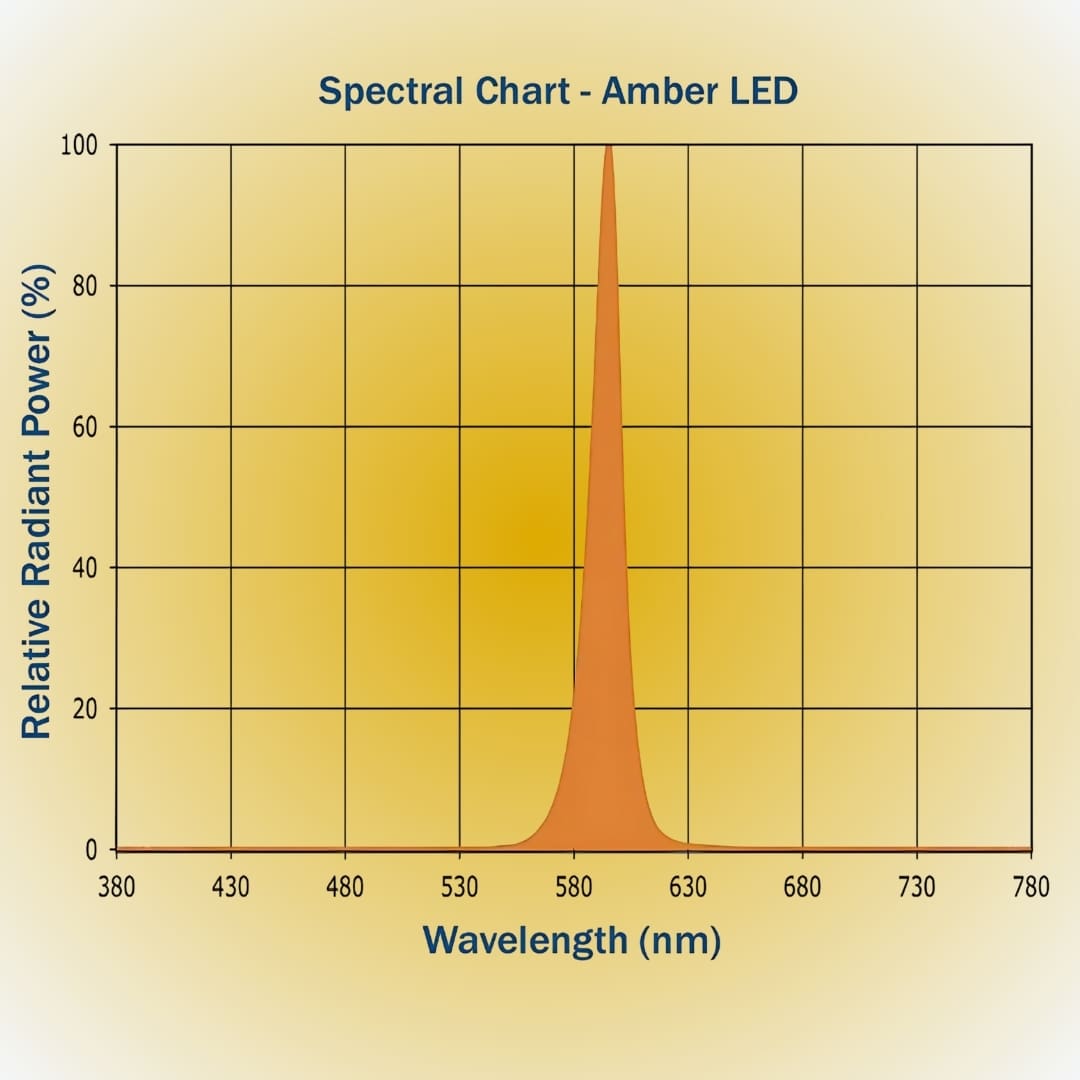
Wildlife Protection: Access Fixtures’ LED lights emit wavelengths (590–610 nm) that do not attract wildlife, reducing dangers in areas like roadways and commercial spaces.
-
Behavioral Integrity: These lights maintain natural behaviors and cycles by minimizing disruptions to wildlife’s circadian rhythms, crucial for species like sea turtles.
-
Customizable Solutions: Offering a range of energy-efficient and compliant lighting options, Access Fixtures ensures these can be tailored to meet specific local wildlife protection requirements.
-
What is Wildlife Friendly Lighting?
Wildlife-friendly lighting refers to specialized lighting solutions designed to minimize the disruption of natural wildlife behaviors caused by artificial light. The task of selecting appropriate lighting fixtures involves ensuring they emit light in the correct spectrum and meet wildlife lighting certification standards, such as those set by the Florida Fish and Wildlife Lighting Certification Program. This type of lighting is crucial for preserving the natural habitats of various species, including sea turtles, birds, and other wildlife. Wildlife lighting standards recommend using long-wavelength light sources (greater than 560 nm), such as amber, orange, and red LEDs, to minimize disruption to wildlife. By using specific wavelengths that are less likely to interfere with wildlife, these lighting solutions help maintain the natural behaviors and cycles of animals, ensuring their survival and well-being. Wildlife-friendly lighting is not just about reducing light pollution; it’s about creating a harmonious balance between human activities and the natural world.
Why Wildlife Lights?
While outdoor lights are often mandatory for human visibility, security, and human safety, artificially manufactured light can be a severe threat to wildlife. For hundreds of years, regular lighting has had a damaging effect on wildlife by disturbing their natural behavior.
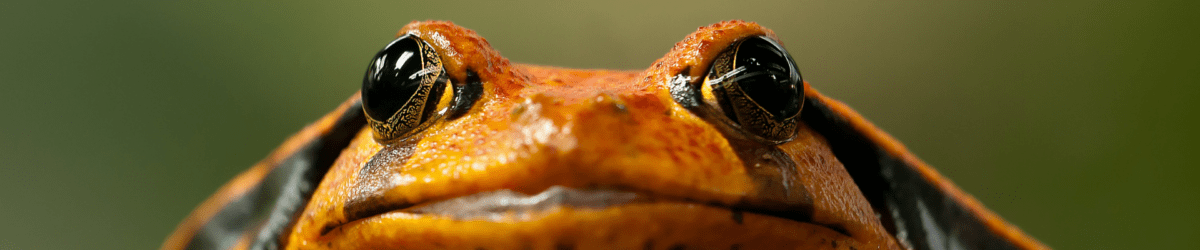
Light pollution in the form of standard lighting negatively impacts these animals by essentially turning their nights into days, disrupting their circadian rhythms. Artificial light at night (ALAN) disrupts sleep cycles, displaces wildlife from their habitats, disrupts migration patterns and breeding rituals, and alters hormone production in various species. These lights can attract wildlife such as turtles and frogs to areas considered harmful, such as roadways and commercial locations. Turning off unnecessary lights is crucial to protect wildlife, particularly sea turtles, from the detrimental effects of artificial lighting. This is the most effective solution to mitigate the impact of artificial light on wildlife, especially during migration seasons and on cloudy or foggy nights.
The light emitted from Access Fixtures wildlife-friendly lighting is almost invisible to these animals; they do not see the light and therefore are not drawn toward buildings, bollards, and parking lots. LED wildlife lighting is available in bollards, wall packs, floods, garage lighters, and more, and it is important to install and mount these fixtures properly at each site to minimize disruption.

A study carried out by the Florida Fish and Wildlife Commission (FWC) Research Institute explains that “sea turtle populations have suffered declines worldwide, and their recovery largely depends upon managing the effects of expanding human populations.” Female sea turtles come ashore at night to nest and lay their eggs in the sand, and hatchlings emerge from the eggs and rely on the brightest horizon, moonlight, and stars to find the ocean. Artificial lighting can interfere with these natural cues, causing disorientation and reducing hatchling survival.
Whether for sea turtles or other animals, light pollution is one of the easiest problems to solve. The same study also notes a simple way to guarantee effective wildlife lighting: “Keep it long, keep it low, and keep it shielded.”
FWC Guidelines for Wildlife Lighting
The Florida Fish and Wildlife Conservation Commission (FWC) plays a crucial role in protecting the state’s natural resources, including its wildlife. Recognizing the significant threat posed by artificial lighting to species such as sea turtles, the FWC has established specific guidelines for outdoor lighting. The Wildlife Lighting Certification Program, developed by the FWC and the U.S. Fish and Wildlife Service, certifies outdoor luminaires that meet strict standards for wildlife-friendly lighting, including requirements for mounting height, shielding, and wavelength. These guidelines emphasize that outdoor luminaires should be selected and mounted as low as possible, use the lowest wattages necessary, and be fully shielded to prevent direct visibility of lamps or glowing lenses, thereby reducing light pollution and minimizing disturbance to wildlife. The FWC also recommends using FWC-approved long-wavelength lights (greater than 560 nanometers), which are less disruptive to wildlife. Following these guidelines helps preserve Florida’s diverse ecosystems while allowing for safe human activities. More about FWC turtle lighting here
For a comprehensive guide to turtle- and wildlife-friendly lighting requirements along the Florida Gulf Coast and Southeast Atlantic, see our Florida and Gulf Coast Turtle Friendly Lighting Guide
LED Wildlife Light Components
These LED wildlife-friendly lights are classified by the color of their light, but unlike typical LED lamps, these fixtures do not use Kelvin temperatures. Instead, the lights are set to a specific wavelength of 590 nanometers. The spectrum of these lights is carefully chosen using long-wavelength sources such as amber, orange, and red LEDs to minimize disruption to wildlife.
This range is a critical element in wildlife-friendly lighting because it is not visible to animals. Though there is no direct substitute for a naturally dark environment, these fixtures reduce light pollution in areas where excessive artificial lighting can harm ecosystems. Using timers, motion sensors, and dimmers can further minimize the duration of lighting when humans are not present. Additionally, using dark-colored, non-reflective surfaces near lighting helps prevent light bounce-back into the environment, and it is recommended to avoid placing lights near water to prevent disturbing aquatic life through reflections.
Many animals use the presence or absence of natural light (often the moon) as a reference for their movement. For instance, when baby turtles hatch on the beach, their instincts tell them to follow the white light of the moon back to the ocean. The most effective solution for coastal wildlife lighting uses amber LEDs, which emit longer wavelengths (greater than 560 nm) that are less likely to confuse sea turtles with moonlight, aiding their natural navigation. Red and amber lights also help humans maintain their night-adapted vision, allowing easier transitions between lit and unlit areas.
If a housing development has white LED lights in its parking lot, the turtle hatchlings may head toward it instead of the ocean. With wildlife and turtle-friendly lights from Access Fixtures, the harmful pollution effects on these animals can be lessened.
Click here to learn more about Amber LED Lighting and its uses.
Spectral Chart - Amber LED Bollard Light
Solar Wildlife LED Lights
An innovative advancement in wildlife-friendly lighting solutions is the integration of solar technology with LED lights designed specifically for wildlife. Access Fixtures has developed solar wildlife LED lights that meet wildlife lighting certification standards, ensuring effective and responsible illumination for sensitive environments. Solar wildlife LED lights harness solar energy to power fixtures, reducing dependence on grid electricity and lowering the environmental footprint. These lights are equipped with LEDs that emit light at wavelengths that are less visible or completely invisible to many wildlife species, including sea turtles and migratory birds.
Appropriate wildlife lighting meets criteria such as using low-mounted fixtures, long-wavelength light sources, and shielded lighting to protect habitats.
Solar-powered LED lights are particularly beneficial in remote or environmentally sensitive areas where installing traditional lighting infrastructure is challenging or could cause significant disruption. Additionally, they offer a sustainable and cost-effective solution for long-term lighting needs, requiring little maintenance and no electrical costs after installation. This makes them an ideal choice for coastal areas, wildlife reserves, and national parks, where preserving the natural habitat is as important as providing necessary illumination.
Click to learn about Commercial Bollard Lights for Wildlife-Friendly LED Lighting Applications
Speak to an Access Fixtures Lighting Specialist
Access Fixtures has the right wildlife-friendly fixtures to illuminate your property and protect nearby wildlife suitably.
All wildlife-friendly fixtures available at Access Fixtures are energy-efficient and long-lasting, with minimal maintenance required. It is important to determine the specific lighting needs for each site and install appropriate lighting fixtures, such as shielded, low-mounted, long-wavelength options, to minimize light pollution and protect wildlife. Always check with local ordinances to identify any species that may be affected by light and the wavelength of light required. Using shield lamps is crucial to minimizing the impact of artificial light on wildlife, as they help prevent direct visibility and protect habitats.
If a different nanometer of light (besides 590-610nm) is required by local ordinances, we can still help by providing a custom solution. For all your lighting questions, talk with an Access Fixtures lighting specialist at 800-468-9925.
Access Fixtures’ wildlife-friendly lighting solutions are vital to environmental conservation and animal protection. By integrating these specially designed LED fixtures, property owners can enhance safety for humans while safeguarding our natural wildlife. Ensuring that lighting is appropriate for the local wildlife complies with environmental standards and contributes to the broader goal of sustainable development.
Conclusion
Access Fixtures' wildlife-friendly lighting solutions are vital to environmental conservation and animal protection. By integrating these specially designed LED fixtures, property owners can enhance safety for humans while safeguarding our natural wildlife. Ensuring that lighting is appropriate for the local wildlife complies with environmental standards and contributes to the broader goal of sustainable development. Explore our full Dark Sky Friendly Lighting Resource Library for ordinance updates, case studies, and specification guides.
Wildlife-Friendly Lighting Frequently Asked Questions
What is wildlife-friendly lighting?
Wildlife-friendly lighting refers to lighting solutions specifically designed to minimize disruption to natural wildlife behaviors caused by artificial light.
Why is 590 nanometers important for wildlife lighting?
This wavelength is less likely to be perceived by wildlife, helping to prevent disorientation and attraction to human-populated areas.
How does turtle approved wildlife lighting benefit sea turtles?
By reducing the misguidance caused by artificial light, wildlife lamps help sea turtle hatchlings follow their instincts toward the ocean, enhancing their survival rates.
Can I get custom wildlife lighting solutions if required by local ordinances?
Access Fixtures offers custom solutions tailored to meet local wildlife lighting requirements, including different wavelengths.
Who should I contact for more information on installing wildlife lights?
You can speak with an Access Fixtures lighting specialist by calling 800-468-9925 for personalized advice and solutions.