
Introduction
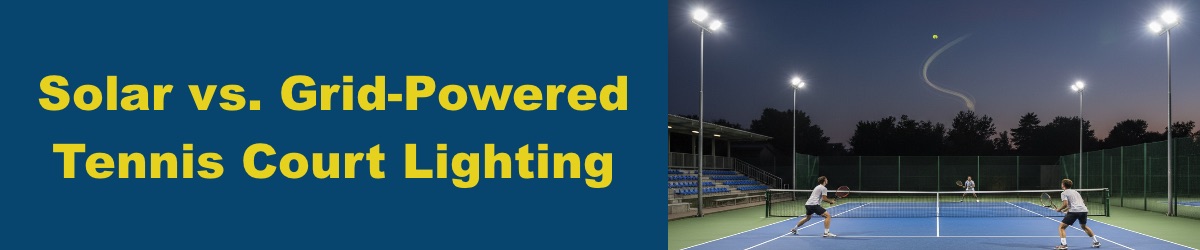
Lighting is often the make-or-break factor for any tennis facility. It determines whether your court is a buzzing hub of activity in the evenings or a dark, unused space after sunset. If you are planning a new facility or upgrading an existing one, you have likely run into a major logistical hurdle: power. Often, the perfect location for a court is far from an existing power line. When you see the quote for trenching, cabling, and permitting to run grid power to that spot, the costs can be astronomical. Or, perhaps you are simply looking for a way to cut overhead costs and want a sustainable, "green" solution that eliminates monthly utility bills. This leads to the biggest debate in modern sports infrastructure: Do you invest in off-grid tennis court lighting, or stick with traditional grid-tied LED power?
It is not just a question of technology; it is a question of economics.
In this guide, Access Fixtures will provide a complete, transparent breakdown of both options. We will compare the performance, the maintenance requirements, and most importantly, the true tennis court lighting cost. Whether you are a private homeowner, a club manager, or a municipality, this comparison will help you make the best financial decision for your project.
Key Takeaways
-
- Installation is the Deciding Factor: For remote courts, the high cost of trenching and running grid power often makes off-grid solar the cheaper upfront option.
- It's a "Pay Now vs. Pay Forever" Choice: Solar has a higher initial equipment cost but a $0 operational cost. Grid-tied lighting is cheaper to buy but has a permanent, rising monthly utility bill.
- Off-Grid Means Energy Independence: Solar solutions are not affected by power outages and are ideal for facilities aiming for "green" credentials or sustainability goals.
Quick Comparison: Solar vs. Grid at a Glance
| Feature | Off-Grid Solar Lighting | Grid-Tied Lighting |
| Upfront Cost | High | Medium (but variable) |
| Operational Cost | $0 | Monthly Utility Bill |
| Installation | Fast, no trenching | Slow, highly disruptive |
| Grid Dependence | 100% Independent | 100% Dependent |
| Sustainability | High (Green Energy) | Low (Uses Grid Power) |
| Maintenance | Battery replacement (5-10 yrs) | Minimal |
Understanding the "Off-Grid" Problem
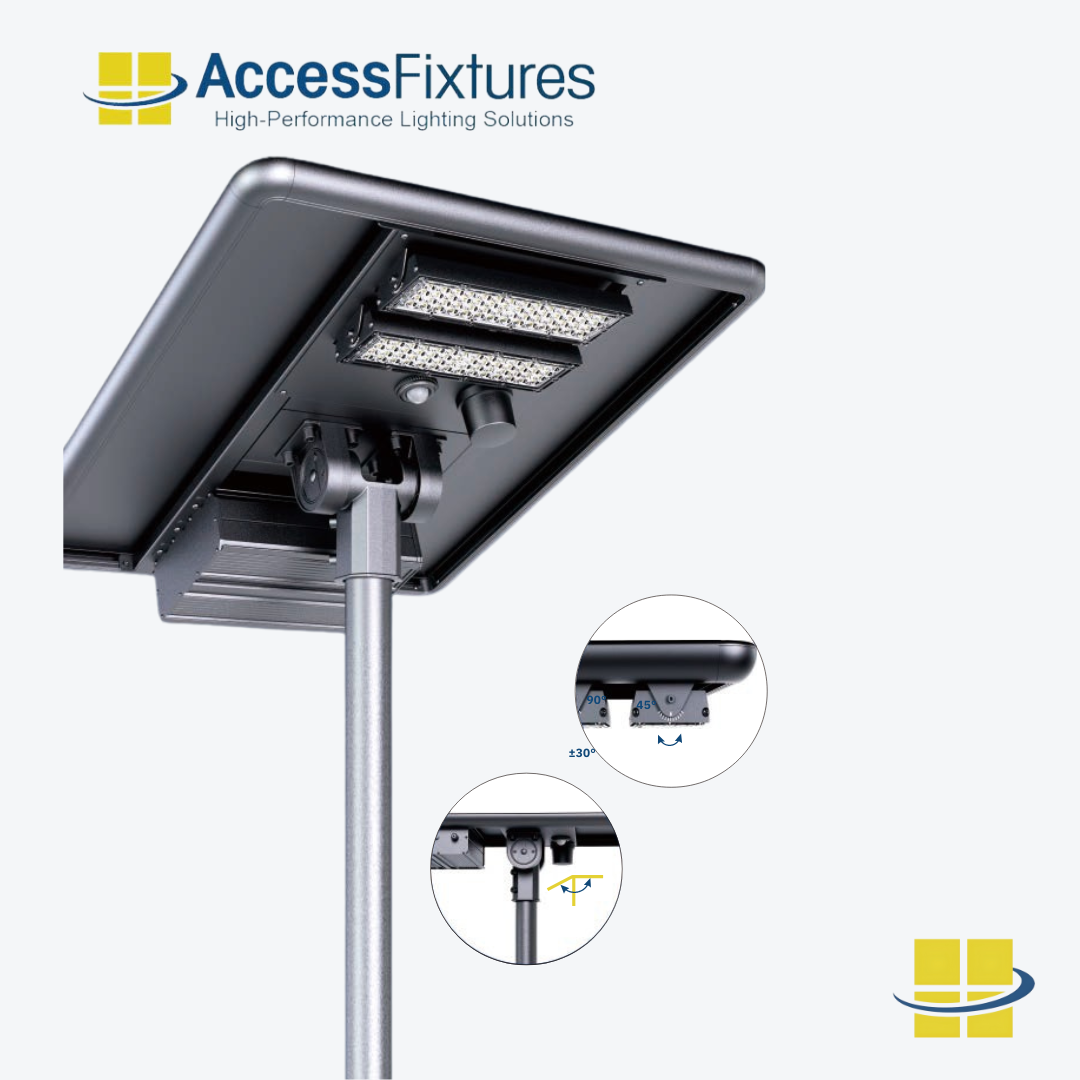
To understand the value proposition, we first need to define "Off-Grid." For a tennis court, this means the lighting system is 100% self-sufficient. It generates its own power via solar panels and stores it in batteries located on the pole. It does not touch the utility grid.
Why is this becoming the preferred standard for many new courts?
- The Cost of Trenching: This is usually the deciding factor. Running power lines involves trenching, pulling permits, laying conduit, and hiring electricians. This can cost tens of thousands of dollars—often costing more than the actual lights themselves.
- Remote Locations: Many courts are built in parks, on large rural properties, or at the edge of club grounds where power access is difficult or impossible to reach.
- Energy Independence: Off-grid systems provide immunity from blackouts and insulate the owner from rising commercial electricity rates.
Breaking Down the Costs: A Realistic Look
When you search for "Tennis Court Lighting Cost [Your Location]," you will find a wide range of numbers. That is because the pricing models for solar and grid are completely different.
The Upfront Investment: Solar
The solar option requires a higher initial investment in equipment. You are purchasing the LED fixtures, the solar panels, the high-capacity batteries, the controllers, and the poles. While the initial price tag is higher, it is a fixed, one-time cost. Once installed, the energy is free.
The Upfront Investment: Grid-Tied
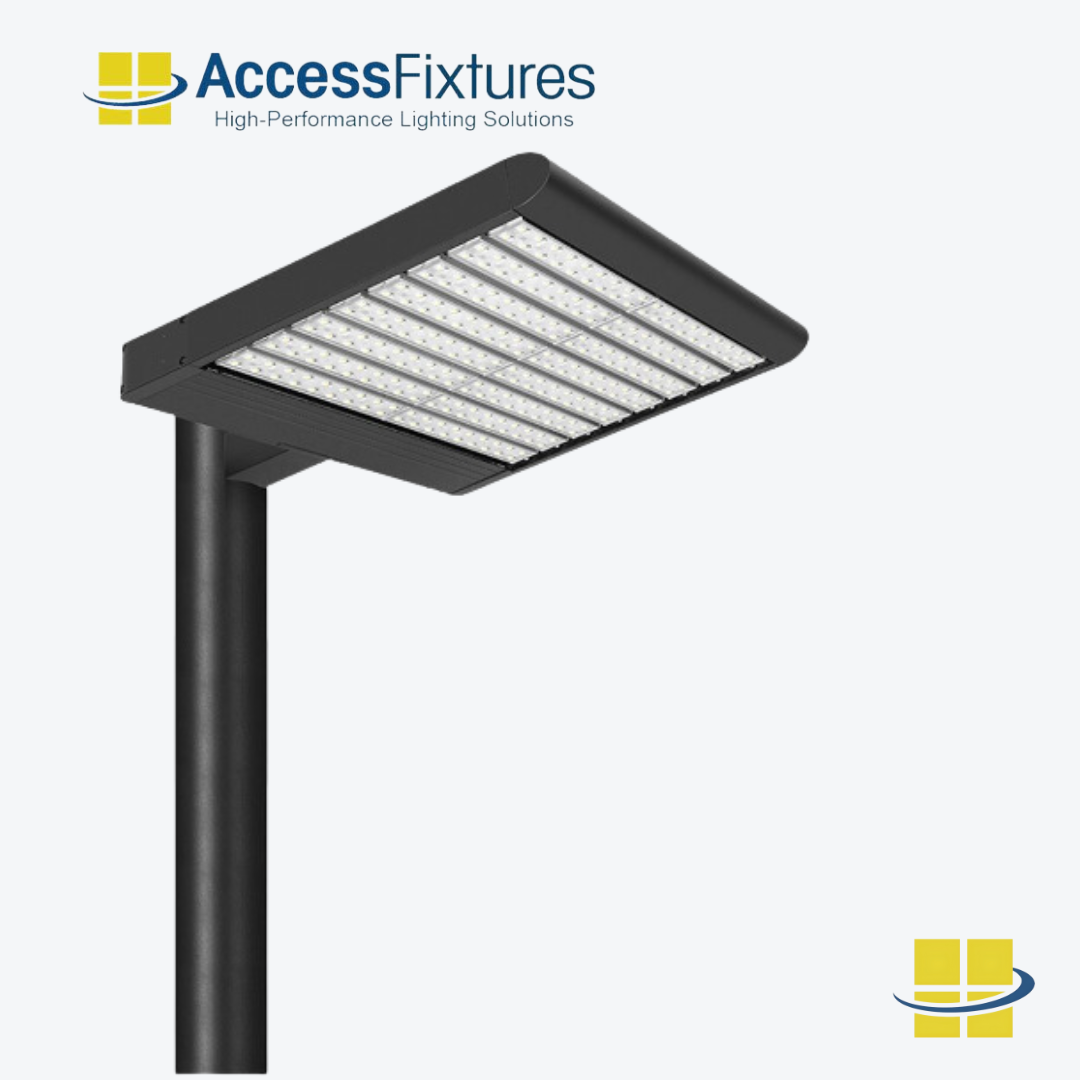
The grid-tied option usually has a cheaper equipment cost (just the poles and lights), but the LED tennis court light installation costs are highly variable. You must factor in:
- Construction permits
- Certified electrician labor
- Trenching (often $20-$100+ per linear foot)
- Utility connection fees
The Long-Term ROI (Return on Investment)
- Solar: The ROI is simple: $0 in monthly electricity bills. The only major future cost is a battery replacement, typically required every 5 to 10 years.
- Grid-Tied: This option comes with a permanent operational expense. Based on current commercial electricity rates, a fully lit court can add significantly to your overhead every single month, forever.
Pros & Cons: A Head-to-Head Comparison
Advantages of Off-Grid Solar
- No Trenching: Solves the #1 installation barrier and preserves your landscaping/hardscaping.
- Zero Operating Costs: You will never pay a power bill for your lights.
- Eco-Friendly: Solar serves as a massive visual statement for community sustainability goals, which can help with grant funding or HOA approval.
- Resilience: The lights work even when the neighborhood power is out.
Disadvantages of Off-Grid Solar
- Higher Capital Cost: The initial purchase price is higher than standard lights.
- Battery Maintenance: Batteries eventually degrade and will need replacement (usually after a decade of use).
- Solar Access: The poles need clear access to the sky. If your court is under a dense canopy of trees, solar may not be viable.
Advantages of Grid-Tied Lighting
- Lower Equipment Cost: If you have power right at the court's edge, this is the cheapest way to get lights up.
- Unlimited Power: As long as the grid is online and you pay the bill, you have power.
Disadvantages of Grid-Tied Lighting
- Disruptive Installation: Trenching tears up the grounds and takes time.
- Monthly Bills: A permanent, rising expense.
- Vulnerability: If the grid goes down, the game is over.
How to Choose: Key Questions for Your Project
If you are still on the fence, ask these four questions:
- How far is the court from a power source? If it is more than 100 feet, the cost of trenching usually makes solar the cheaper option immediately.
- What is the budget structure? Do you have capital for an upfront purchase (Solar), or are you trying to minimize initial spend in exchange for monthly bills (Grid)?
- Are there trees blocking the sun? Solar requires direct sunlight. If the court is heavily shaded, grid power might be the only option.
- Is sustainability a priority? For municipal parks and modern clubs, the "green" aspect of solar is often a requirement.

Conclusion
For new courts, remote locations, or anyone looking to eliminate long-term utility bills, off-grid solar lighting is the clear winner and the modern standard. For courts with easy, existing access to power and a limited upfront budget, grid-tide remains an option. As the premier tennis court lighting specialists, we have helped dozens of clients navigate this exact decision. Do not guess what your project will cost. Contact our team today for expert advice. We can provide a detailed quote comparing both solar and grid-tied options for your specific court.
Get Your Free Tennis Court Lighting Quote
Off-Grid Tennis Court Lighting Frequently Asked Questions (FAQs)
Will solar tennis court lights work on cloudy or rainy days?
Yes. Professional solar lighting systems are designed with autonomy. This means their batteries store enough power to run the lights for 3-5 days (or more) without any new sunlight. This autonomy easily covers a few cloudy, rainy, or snowy days.
Are solar-powered lights as bright as grid-powered LED lights?
Absolutely. The brightness (measured in lumens) comes from the LED fixture, not the power source. A 200-watt solar-powered LED fixture is just as bright as a 200-watt grid-powered LED fixture. We use high-performance LED lights for all our installations to meet or exceed professional tournament lighting standards.
How long do the batteries for solar lights last before needing replacement?
This is the main long-term maintenance item. On average, the high-capacity batteries used in commercial solar lighting systems last between 5 and 10 years, depending on the type of battery (e.g., LiFePO4), usage, and local climate.
How long will the lights stay on each night?
The system is "sized" for your specific needs. We calculate the battery and panel size based on your required runtime. Whether you need the lights for 4 hours a night or from dusk until dawn, the system is designed to meet that goal.
What maintenance is required for a solar lighting system?
Solar lighting is extremely low-maintenance. Aside from replacing the battery every 5-10 years, the only "maintenance" is occasionally cleaning the solar panels if they get excessively dirty from dust or pollen, which can block sunlight. In many areas with regular rain, this is rarely even necessary.
How long does the installation take for solar vs. grid power?
This is a major advantage for solar. An off-grid solar system can often be installed in a matter of days because there is no trenching, cabling, or utility coordination. A grid-powered installation can take weeks or even months, depending on permitting, the length of the trench, and scheduling with the power company.
Is trenching for grid power really that expensive?
Yes. Trenching costs can run from $20 to over $100 per linear foot. If your court is 300 feet from a power line, you could be looking at $6,000 to $30,000 in trenching costs before you even buy the lights or pay the electrician. This is often the single biggest expense for a grid-tied project.
Can I get rebates or tax credits for installing solar lights?
Often, yes. As a "green" energy solution, solar lighting projects (especially for commercial properties or municipalities) may be eligible for local, state, or federal tax credits and rebates. We can help you identify any incentives available in [Your State].
What is the main advantage of grid-tied lights over solar?
The primary advantage of grid-tied lights is a lower initial equipment cost. If your court is already located right next to an existing power source, and you don't mind the monthly electricity bill, a grid-tied system will be cheaper to purchase and install.
How do I know which system is right for my court?
The best way is to have a professional audit. Contact us for a free site assessment. We will measure the distance to your power source, analyze your sunlight exposure, and provide a detailed quote comparing the full, all-in cost of both a solar and a grid-tied system so you can see the numbers for yourself.