by Access Fixtures | Dec 16, 2021 | Access Fixtures Lighting Solutions Blog, LED Flood Light News, News
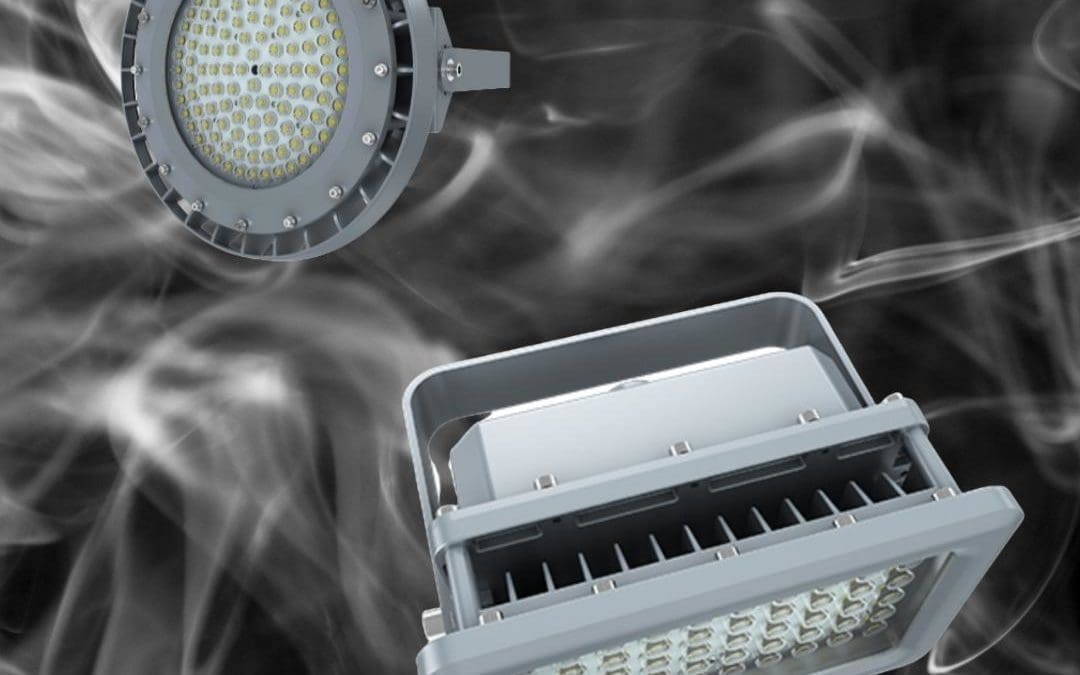
Access Fixtures, a Massachusetts-based commercial and industrial lighting manufacturer, has released a new family of explosion proof LED flood lights for industrial locations requiring vapor tight and hazardous location lighting. The AAHL and the BAHL are very similar...

by Access Fixtures | Dec 8, 2021 | Access Fixtures Lighting Solutions Blog, LED Learning
What Are The Rules for Flagpole Lighting? Flagpole lighting is a crucial element for anyone displaying a flag, especially after sunset. According to the US Flag Code, the American flag should be properly illuminated if it is displayed at night, ensuring it is visible...
by Access Fixtures | Nov 18, 2021 | Access Fixtures Lighting Solutions Blog
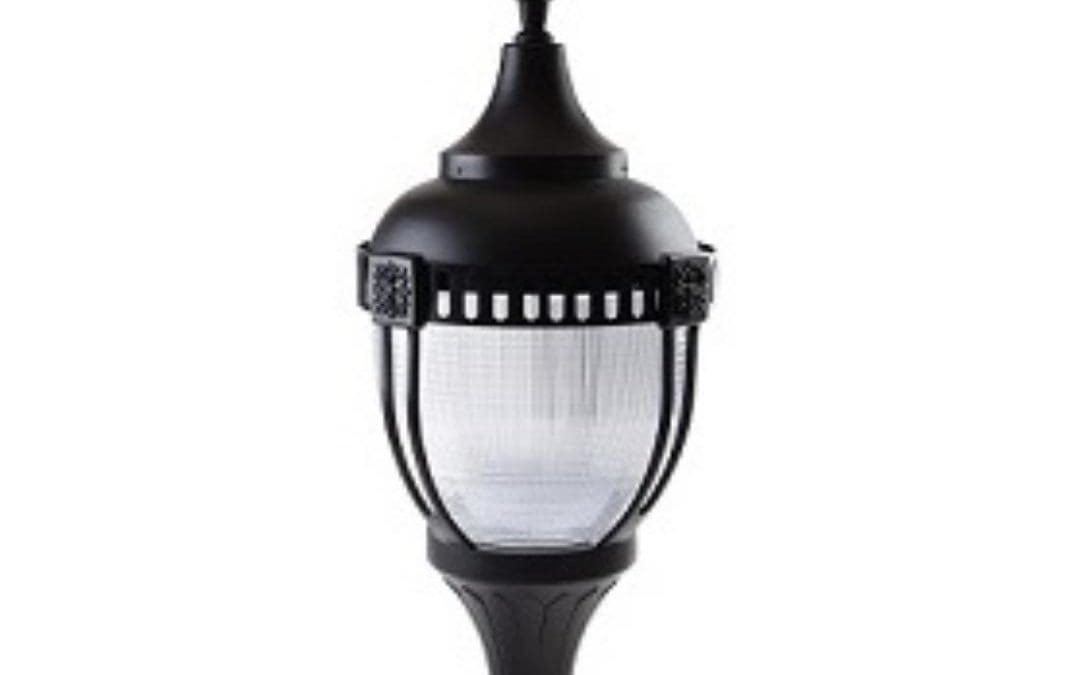
Access Fixtures, a Massachusetts-based commercial and industrial lighting manufacturer, has released a new 60w LED post top fixture, the VILO. VILO is a commercial-grade LED post top fixture with classic architectural appeal that won’t break the bank. It is rugged and...

by Access Fixtures | Oct 12, 2021 | Access Fixtures Lighting Solutions Blog
Bollard lights are an essential component of outdoor lighting, providing both safety and aesthetic appeal to pathways, parks, and commercial spaces. Over time, these fixtures may require maintenance or upgrades to continue performing optimally. Bollard light...
by Access Fixtures | Oct 7, 2021 | Access Fixtures Lighting Solutions Blog
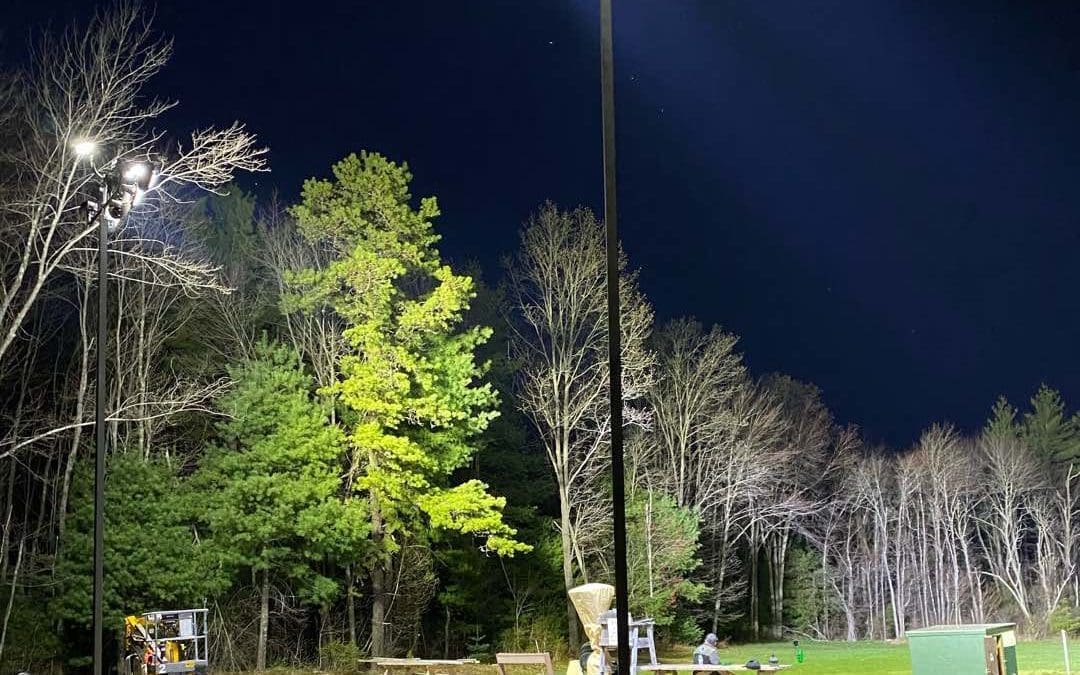
Lighting a trap or skeet range is a technical challenge most lighting suppliers are not equipped to solve. Clay pigeons move fast, shooter areas and downrange target zones have different illuminance requirements, and pole placement has to account for glare, light...
by Access Fixtures | Dec 3, 2020 | Access Fixtures Lighting Solutions Blog, Our Recent Case Studies
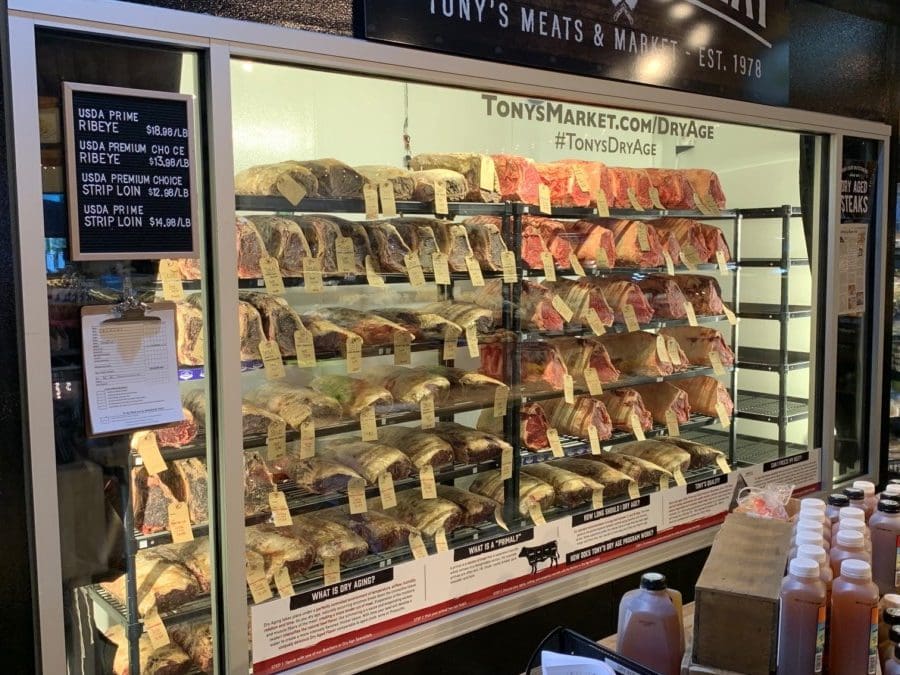
A customer came to us looking for a unique solution to a unique problem – lighting the inside of a dry-aged meat cooler meant to display food products to customers. We were happy to rise to the challenge. Meat Cooler Lighting Problems The customer faced a...
