

Effective lighting is crucial for bridges to ensure safety, enhance aesthetics, and improve functionality. This article explores innovations in lighting bridges with LED technology, highlighting how these advancements contribute to a city's identity and nighttime displays by making landmark bridges integral to the city's urban landscape. The article covers light distribution, color selection, and wildlife-friendly solutions.
Key Takeaways
-
-
Innovative LED lighting techniques enhance bridge aesthetics while promoting energy efficiency and minimizing light pollution.
-
Choosing the right light colors and implementing wildlife-friendly solutions safeguard ecological health and improve the visual appeal of bridges.
-
Dynamic lighting effects and tailored strategies for different bridge types can transform structures into vibrant landmarks, boosting community pride and tourism.
-
Bridge lighting solutions serve multiple purposes, such as attracting visitors, stimulating economic growth, and fostering civic pride.
-
Introduction to Bridge Lighting
Bridge lighting has become an essential aspect of urban landscapes, transforming functional structures into breathtaking works of art. The strategic use of light can enhance the architectural features of bridges, creating a unique identity for cities and fostering civic pride among residents. As a vital component of urban planning, bridge lighting serves not only to improve traffic safety but also to promote tourism and economic growth. With the advancement of LED technology, outdoor luminaires have become more efficient, durable, and versatile, allowing designers to create stunning light shows that showcase the beauty of bridges. In this context, bridge lighting has evolved into a form of artistic expression, with the ability to inspire and bring people together.
Architectural Lighting Design
Architectural lighting design is at the heart of successful bridge lighting, requiring a thoughtful approach that considers the bridge’s form, function, and its relationship with the surrounding landscape. Designers must address challenges such as minimizing light pollution, managing vibration from traffic, and ensuring the lighting system can withstand extreme weather. By leveraging superior light output and innovative color-changing effects, architectural lighting can make bridges more visible and inviting for pedestrians and visitors alike. The use of LED luminaires with precise optics and advanced glare control allows for targeted illumination, reducing unwanted light spill and supporting sustainability goals. Projects like London’s Illuminated River, led by winning designer Leo Villareal, exemplify how creative lighting design can transform a city’s landscape, foster unity, and instill a sense of pride among residents. Through careful design, bridges become not just pathways, but illuminated symbols of community and connection.
A well-designed bridge lighting system begins with selecting the ideal light distribution. This process involves:
- Understanding how light interacts with the bridge’s architectural features and the surrounding environment.
- Using accentuating light distribution to highlight specific elements, enhancing the bridge’s visual appeal.
- Employing narrow light distributions to effectively emphasize slender details.
- Utilizing wider distributions to illuminate larger areas.
Utilizing grazing light techniques can be particularly effective on bridges with textured surfaces, bringing out their architectural beauty. Key aspects include:
- Modern outdoor luminaires, such as those offered by Access Fixtures, provide designers with up to seven different light distributions.
- These luminaires ensure superior light output and precise illumination.
- High-quality optics in LED lighting direct light precisely onto intended surfaces.
- This maximizes efficiency and minimizes light pollution.
Proper wiring is essential for interior fixtures, and advanced control systems can often operate over existing wiring, reducing the need for new wiring installation and simplifying the process. Additionally, the sensitive electronics within LED luminaires require protection from vibration and environmental factors to ensure reliable operation and longevity.
Effective lighting design is about creating dramatic visual effects while optimizing energy consumption. Combining different light distributions and high-quality optics allows designers to achieve stunning results with low wattage consumption, enhancing the bridge lighting system.
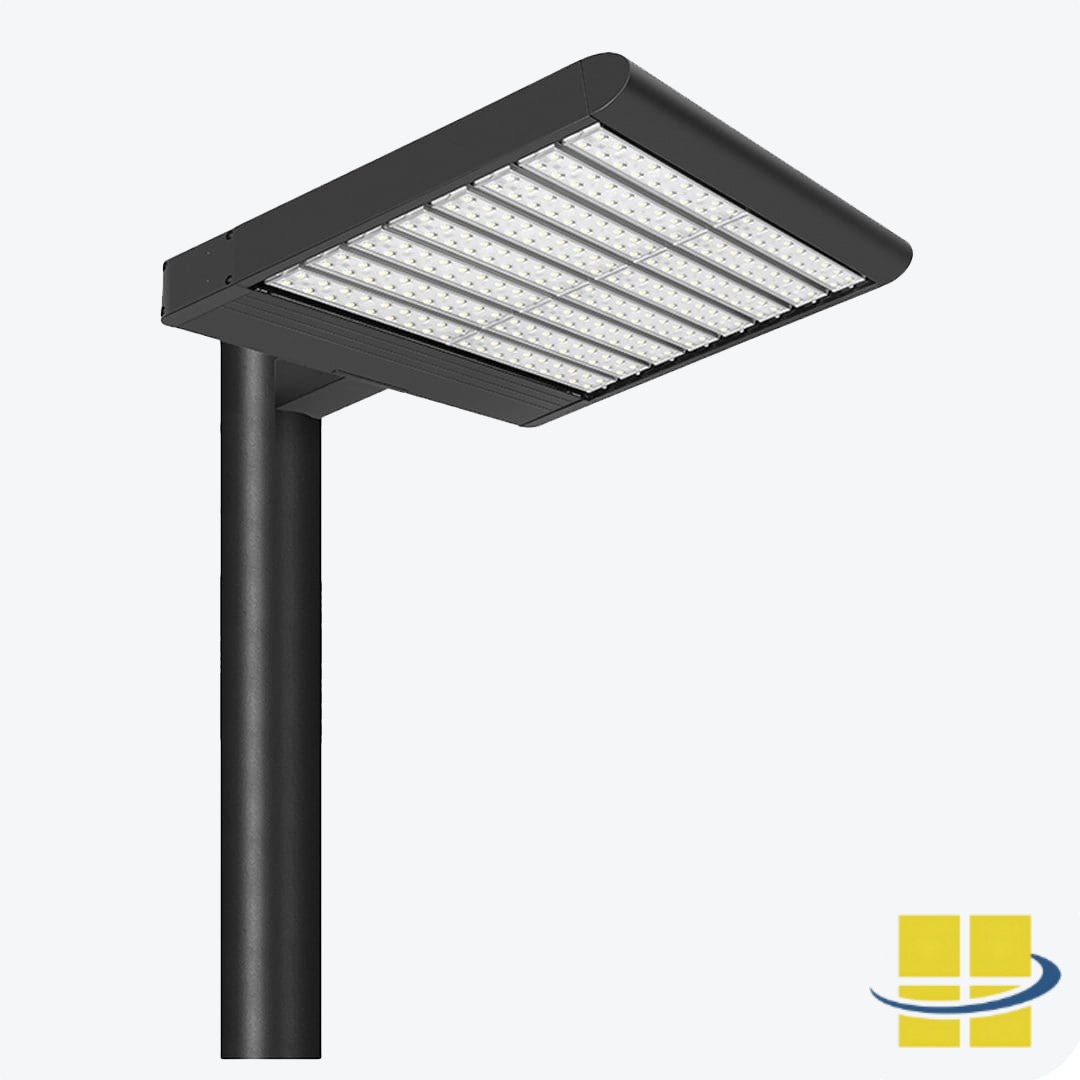

Outdoor Luminaires and Technology
Choosing the Right Light Colors
The choice of light colors significantly impacts the aesthetics and functionality of bridge lighting. For bridges made of cooler materials like steel and concrete, a light color temperature of 4000K is recommended to enhance their appearance. On the other hand, warm-toned materials like wood benefit from a light color temperature of 3000K, which enhances their natural beauty and reduces disruption to wildlife.
Ecological considerations are crucial when selecting light colors. Warmer tones, such as amber, are less disruptive to wildlife compared to brighter white lights. Different light colors can also impact the materials used in bridge construction, making it essential to choose the right color temperature for both aesthetic and environmental reasons.
Wildlife-Friendly Lighting Solutions
Implementing wildlife-friendly lighting solutions is a priority for bridges, especially those spanning sensitive ecological areas. Artificial light at night can disrupt natural behaviors of wildlife, leading to disorientation, increased predation risks, and disruptions in navigation and migration patterns. Dimmable lighting systems and proper fixture designs can significantly mitigate light spill, protecting these sensitive ecosystems.
Warmer color lights minimize ecological impacts and reduce the attraction of wildlife to artificial lighting. The priority for wildlife-friendly lighting on bridges over water rivers lies in safeguarding sensitive ecosystems and enhancing the quality of life for both humans and wildlife. Implementing these solutions not only protects wildlife but also aligns with many municipalities’ strict lighting ordinances aimed at preserving the night sky and natural habitats. Adopting wildlife-friendly lighting practices helps create a harmonious environment for both humans and nature.
Versatile Installation Locations
LED projectors are highly versatile, operating efficiently in locations where traditional lighting would struggle. Their robust design allows them to withstand harsh environmental conditions, including extreme temperatures and moisture. This makes them ideal for various bridge lighting applications, ensuring reliable performance in challenging environments with LEDs.
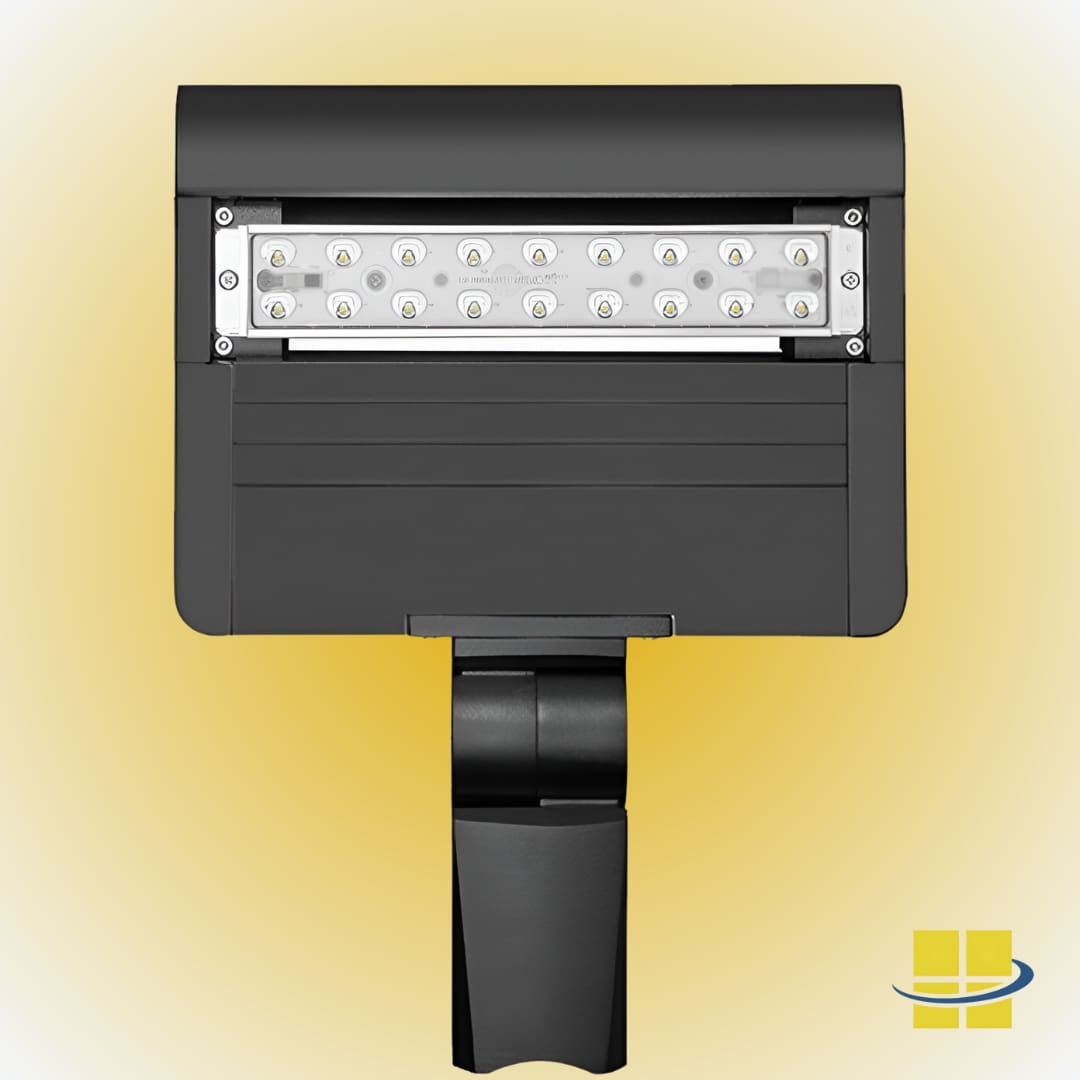
Enhancing Pedestrian Safety and Comfort
Balanced lighting is crucial for pedestrian safety, preventing glare and ensuring safe movement across bridges. Specialty optics in lighting fixtures can minimize upward glare, improving comfort for both pedestrians and drivers. For instance, bollard lights designed to shield light from above enhance visual comfort for pedestrians.
Ground-recessed luminaires provide a soft, glare-free light for walkways, creating a smooth illumination along pathways and benefiting pedestrian visibility. Different color temperatures can create diverse atmospheres; cooler tones improve visibility, while warmer tones evoke comfort.
Focusing on lighting design that enhances safety and comfort helps create an environment where everyone can enjoy the ability to feel at ease.
Benefits of LED Lighting
LED lighting offers a host of benefits for bridge applications, making it the preferred choice for cities aiming to create a better bridge experience. LEDs are renowned for their energy efficiency, often reducing power consumption by up to 70% compared to traditional lighting. Their long life and resistance to vibration and extreme temperatures mean less frequent replacements and lower maintenance costs. LED luminaires also enhance safety and visibility for both pedestrians and drivers, contributing to a safer and more enjoyable crossing. The design flexibility of LEDs allows for a wide spectrum of lighting effects, enabling bridges to reflect the city’s culture and identity through creative illumination. By choosing LED lighting, communities can transform their bridges into iconic landmarks that stand the test of time.
Dynamic Color Changing Effects
Dynamic color-changing effects can transform bridges into vibrant landmarks, enhancing their visibility and aesthetic appeal. Key features include:
- DMX technology combined with RGB/RGBW LED neon strips allows for the creation of intricate lighting sequences, making bridges visually striking. Modern lighting control technologies make it easy for users to program, modify, and integrate dynamic light shows.
- These strips provide vibrant color options.
- They offer high-quality white light, ideal for both decorative and functional lighting.
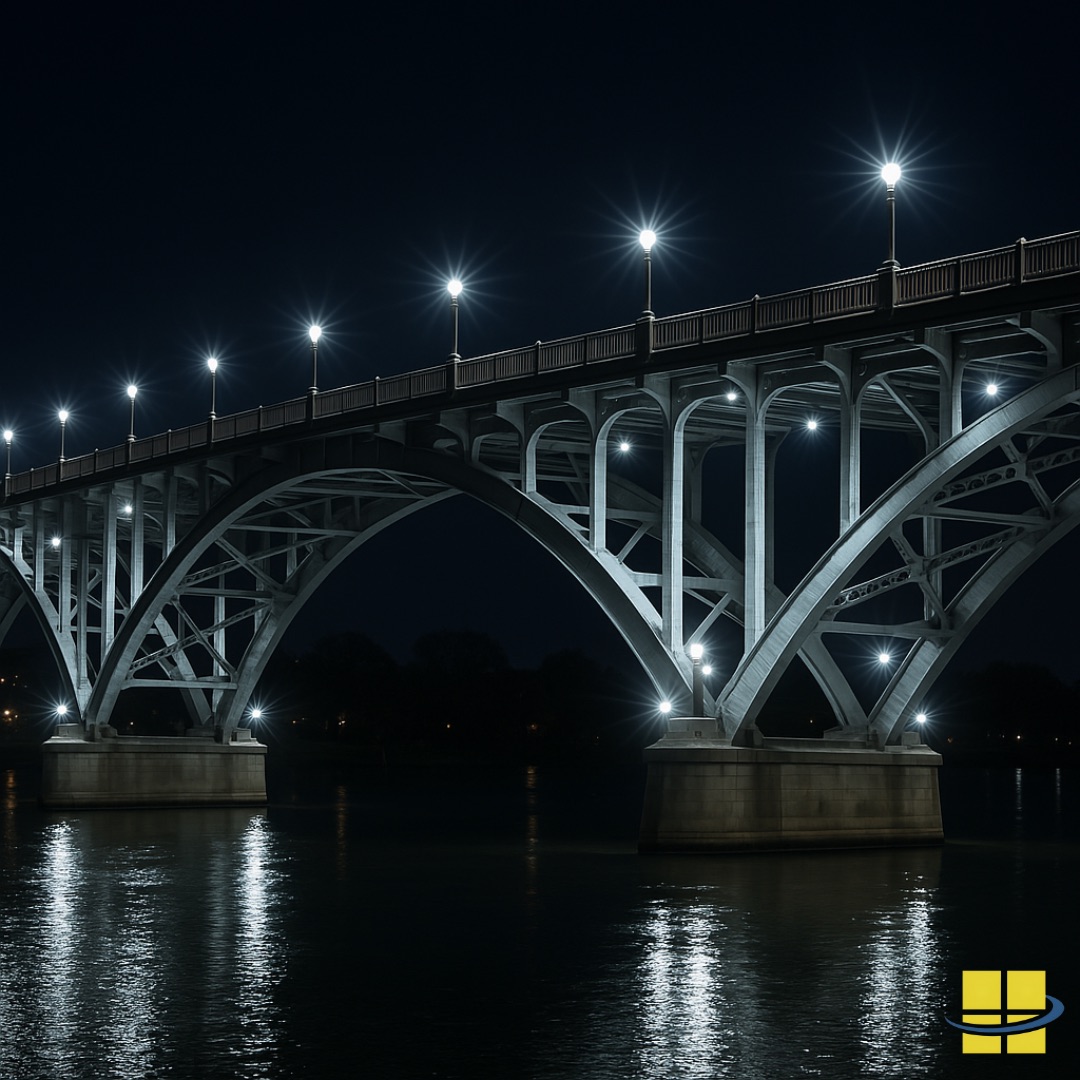
For special occasions, bridges can feature custom color sequences reflecting the event’s theme using DMX-controlled RGB/RGBW lights for dynamic presentations. RGB LED neon strips’ flexibility allows them to seamlessly fit around curved bridge features, creating stunning designs without compromising aesthetic quality.
Sustainable Bridge Lighting Practices
Sustainable bridge lighting practices are essential for minimizing environmental impact and promoting energy efficiency. These practices include:
- Strategically positioning light sources to minimize light spill, helping protect nocturnal creatures and their habitats.
- Using high-precision optics in luminaires.
- Employing excellent glare control to prevent light spill, ensuring that light is directed only where needed.
Using sensors and dimmers can significantly reduce artificial light, thereby minimizing disturbances to wildlife. Dimmable luminaires are a key feature in protecting the environment in outdoor lighting systems. Intelligent lighting controls, such as occupancy sensors, can optimize energy use in bridge lighting systems, contributing to sustainability.
Environmental impact assessments (EIA) are crucial for understanding and mitigating the ecological effects of bridge lighting. Adopting high-efficacy lighting and considering the full lifecycle of lighting products helps communities achieve significant energy savings and reduce carbon emissions.
Creating a Better Bridge Experience
Achieving a better bridge experience goes beyond functional lighting—it’s about creating spaces that inspire, connect, and reflect the spirit of the community. By integrating architectural lighting design, advanced outdoor luminaires, and cutting-edge LED technology, designers can craft environments that are both beautiful and practical. Responsive lighting systems that adapt to environmental changes and community events foster civic pride and strengthen a city’s identity. As urban landscapes evolve, the role of bridge lighting in shaping culture and bringing people together becomes ever more significant. Through innovation and thoughtful design, bridges can become symbols of unity and progress, enhancing the lives of residents, pedestrians, and drivers alike.
Illuminating Different Types of Bridges
Different types of bridges require tailored lighting strategies to highlight their unique architectural features. Suspension bridges, for example, may require a mix of accent lighting on cables and broad illumination of pylons to enhance their iconic status. Girder bridges can benefit from high-output uplights for visibility and narrow distributions to highlight architectural features.
Historical arch bridges are best illuminated using grazing light techniques to accentuate their surface textures and architectural details. Ground wash lights can provide even illumination for pedestrian pathways, ensuring safety and visibility.
Employing these tailored lighting strategies enhances the beautiful functionality of various better bridge form types. It is important to mention specific lighting requirements and features for each bridge type to ensure optimal results.
Case Studies of Iconic Bridge Lighting Projects
Iconic bridge lighting projects around the world showcase the transformative power of architectural lighting. For instance, the Mahkota II Bridge features colorful lighting effects that have become a focal point for social gatherings, contributing to community pride and tourism. Similarly, the Tradeston Bridge in Glasgow underwent a lighting upgrade that enhanced its wave-like design, highlighting the impact of lighting on urban identity.
Innovative lighting projects like the Illuminated River in London demonstrate how lighting can enhance the emotional connection people have with urban structures in the city. The Sei Carang Bridge in Tanjungpinang, Indonesia, showcases dynamic LED lighting that has transformed it into a vibrant tourist attraction, boosting the local economy and heritage.
Notable examples also include the iconic bridge lighting in New York, where illuminated bridges and landmarks have become a symbol of unity and connection for the city, and the I-35W Bridge in Minneapolis, which stands as a key feature of the city's identity. Internationally, projects in Italy and Sweden further demonstrate expertise in enhancing the aesthetics and visibility of bridges as architectural landmarks. These coordinated light shows encourage visitors to explore illuminated bridges and landmarks, experiencing the cultural and civic significance they bring to each city.
These examples illustrate how bridge lighting can significantly impact communities and drive civic pride and economic development.
Conducting Site Assessments and Photometric Analysis
Effective site assessments are essential for tailoring lighting solutions to specific bridge designs. These assessments consider existing lighting conditions and structural features, ensuring that the lighting design complements the bridge’s architecture. A photometric study is crucial for predicting how light will be distributed across the bridge, ensuring adequate and glare-free illumination.
Advanced software tools used in photometric analysis help visualize the performance of lighting fixtures before installation, optimizing energy efficiency and meeting aesthetic and safety requirements. Connected lighting systems, such as Signify’s Interact Landmark, allow for centralized control and monitoring of bridge lighting, improving management efficiency and providing a clear sign of effective performance.
Prioritize Wildlife-Friendly Lighting on a Bridge
Prioritizing wildlife-friendly lighting on bridges is crucial for ecological, environmental, safety, and economic reasons. Artificial light at night (ALAN) has widespread negative impacts, including disrupting the movement, reproduction, and migration patterns of various species. For example, artificial light spilling onto rivers can drastically alter aquatic habitats, affecting the behavior of fish and other marine animals.
To mitigate these impacts, communities should conduct detailed site assessments to identify specific wildlife species and their light sensitivities. Optimal lighting design strategies include using warmer color lights, shielding fixtures to prevent light spill, and employing dimmable luminaires to reduce light output when not needed.
Implementing wildlife-friendly lighting enhances the quality of life for both humans and wildlife, ensuring regulatory compliance and long-term cost savings. Adopting these practices helps create a harmonious environment that supports both ecological balance and human activities.

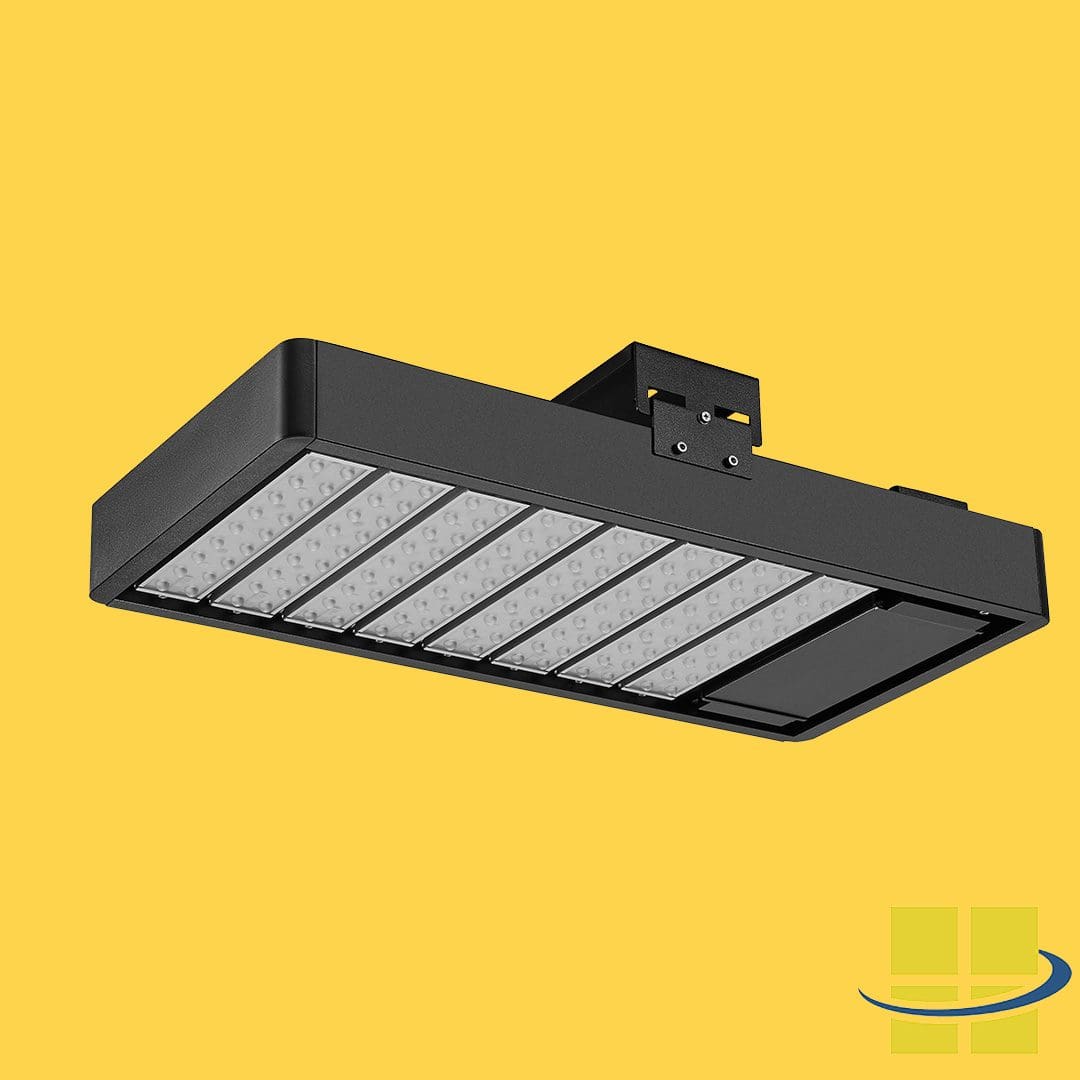
Conclusion
Modern LED technology offers exciting opportunities for bridge lighting, transforming pedestrian bridges into vibrant, safe, and sustainable landmarks. From selecting the ideal light distribution and color to implementing wildlife-friendly and bird-friendly solutions and dynamic effects, the possibilities are endless. By adopting these innovative practices, communities can enhance the beauty, functionality, and environmental stewardship of their bridges.
LED Bridge Lighting Frequently Asked Questions (FAQs)
Why is light distribution important in bridge lighting?
Light distribution is crucial for effectively showcasing a bridge's architectural beauty while ensuring safety for drivers and pedestrians. It transforms the structure into a stunning visual landmark, making it safer and more inviting for everyone.
How do light colors impact wildlife?
Light colors, especially warmer tones like amber, are less disruptive to wildlife and help minimize ecological impacts. Choosing these softer lights can create a more harmonious environment for our animal friends.
What are the benefits of dynamic color-changing effects on bridges?
Dynamic color-changing effects on bridges significantly improve their visual appeal, turning them into vibrant landmarks that celebrate special occasions and events. This not only enhances the enjoyment for viewers but also fosters a sense of community pride.
How can communities ensure their bridge lighting is sustainable?
Communities can ensure their bridge lighting is sustainable by using energy-efficient lighting, reducing light spill, and implementing smart lighting controls. This approach not only conserves energy but also enhances the beauty of the bridges while protecting the night sky.
Why should communities prioritize wildlife-friendly lighting on bridges over rivers?
Prioritizing wildlife-friendly lighting on bridges over rivers is crucial as it protects sensitive ecosystems and enhances the quality of life for both people and wildlife. Embracing such lighting creates a harmonious balance between development and nature, benefiting everyone involved.