
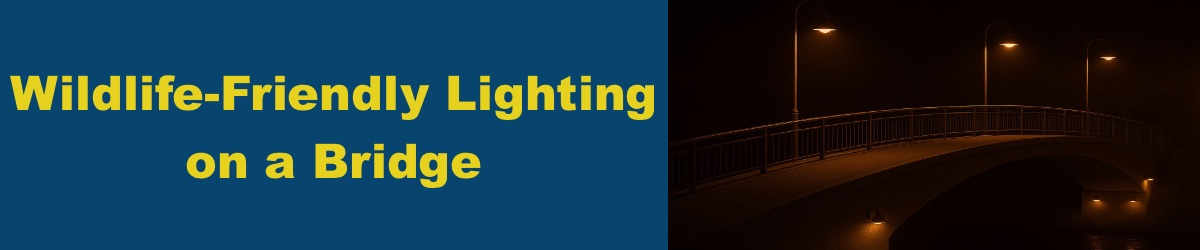
A community should prioritize wildlife-friendly lighting on a bridge over a river for several critical ecological, environmental, safety, and economic reasons. This approach addresses the widespread negative impacts of artificial light at night (ALAN) , a significant global concern that affects ecosystems far beyond the immediately lit areas. Implementing thoughtful bridge lighting, including modern LED bridge lights, is a crucial step for any project involving lighting bridges.
Key Takeaways
-
-
Protecting Biodiversity: Artificial bridge lighting disrupts the natural behavior of wildlife. It harms aquatic species like fish by interfering with migration and feeding and negatively impacts riparian animals like bats and birds by fragmenting habitats and disrupting their nightly activities.
-
Strategic and Compliant Lighting Design: Effective design requires specific strategies like using warmer color temperatures (amber or red LEDs) and fully shielded, downward-directed fixtures to prevent light spill. This approach ensures minimal ecological harm and helps meet regulatory compliance.
-
A Win-Win for the Community and Economy: This lighting offers major community benefits. Energy-efficient LED systems lower electricity costs and reduce carbon emissions , while improved design reduces glare to enhance public safety. The durability of modern fixtures also lowers long-term maintenance costs.
-
Minimizing Ecological Harm with Wildlife Friendly Lighting
Natural darkness is essential for countless species that depend on predictable light cycles for their physiological processes and behaviors. Artificial light significantly alters the nighttime environment , and even small amounts can seriously affect the natural world. This disruption can have severe consequences, affecting the movement, reproduction, foraging, and migration of wildlife.
Protecting Aquatic Ecosystems from Lights on Bridges
Artificial light spilling from lights on bridges can severely affect aquatic communities and drastically alter these vital habitats.
- Fish and Marine Life: Light interferes with the navigation, movement, and behavior of marine animals, disrupting their daily vertical migration and natural distribution. It can create barriers for migrating fish, preventing movement between critical habitats. Light also promotes visually-oriented foraging at unnatural times, which increases predation pressure on sessile (immobile) invertebrates and disrupts the natural balance of predator-prey interactions. Dark areas under structures like bridges are important nighttime rest and feeding areas for fish, offering protection from predators.
- Aquatic Invertebrates: Flying invertebrates like mayflies and caddisflies are a key food resource for aquatic and terrestrial predators. These insects are strongly attracted to artificial lights. This "flight-to-light" behavior undermines their dispersal and survival, which in turn impacts the size and composition of predator populations. This can also reduce pollination rates for plants. Furthermore, light can disrupt the growth of aquatic primary producers and nutrient cycling within the ecosystem.
Safeguarding Riparian and Terrestrial Wildlife
The impact of bridge lighting extends to the animals living along the riverbanks.
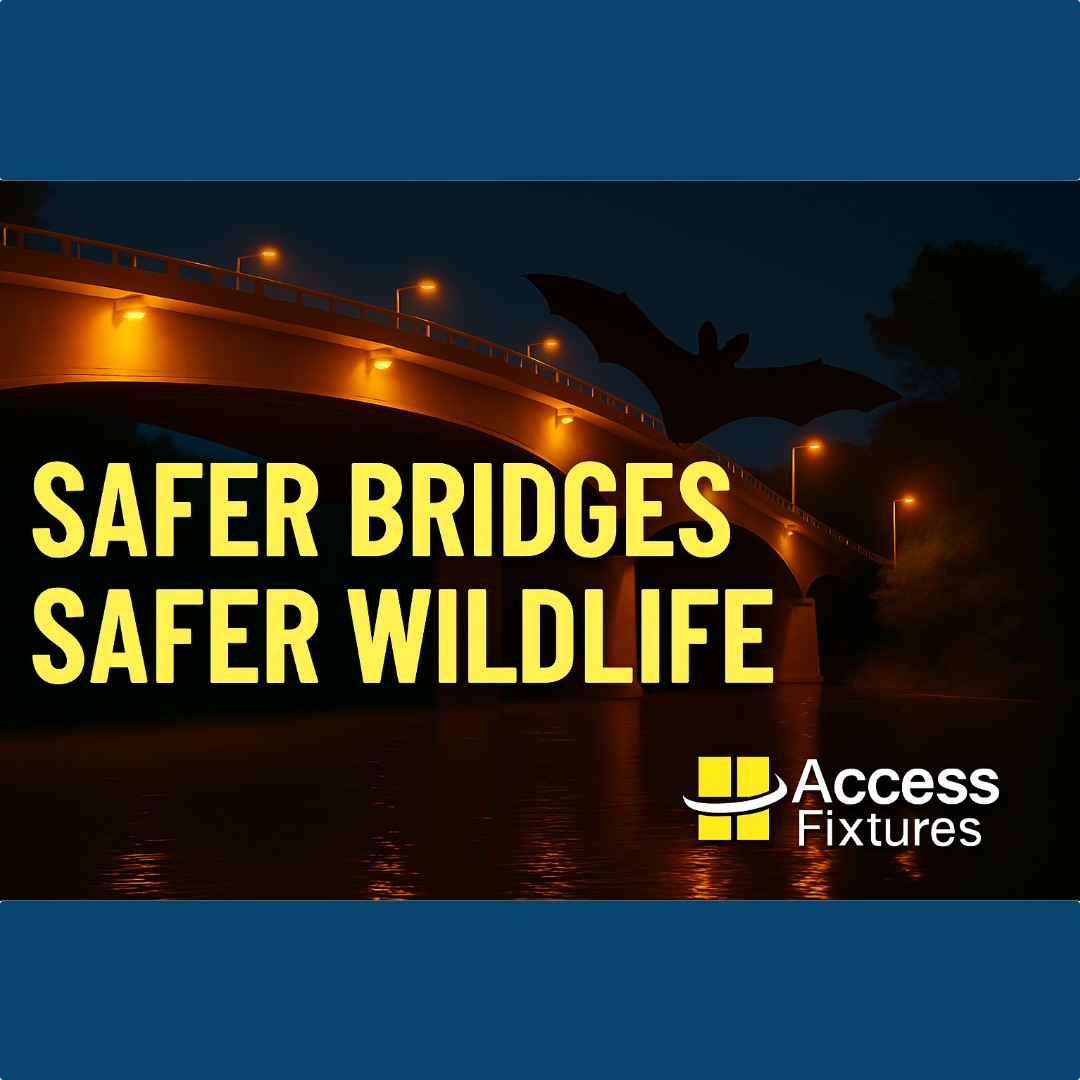
- Bats: Most bat species are nocturnal and particularly vulnerable to ALAN. Lighting on or near a bridge can affect their roost sites, commuting corridors, and foraging behaviors. Artificial light can fragment and degrade bat habitats and disrupt critical activities. While some bat species may be attracted to insects concentrated around lights, light-averse species will avoid these important areas, which can alter their natural patterns and impact local populations.
- Birds: Artificial light can disorient flying birds, particularly during migration. This can lead to collisions with infrastructure or cause them to divert from efficient migratory routes. Foraging behaviors can also be disrupted, potentially leading to starvation. Learn more about bird-friendly lighting here.
- Amphibians and Reptiles: Many anurans (frogs and toads) are nocturnal and can be attracted to or repelled by artificial light. This restricts their movement across illuminated patches, which can limit mate choice, hinder juvenile dispersal, and increase their vulnerability to risks from vehicles and predators like the invasive Cane Toad.
- Terrestrial Mammals: ALAN can disrupt the normal activity patterns of terrestrial mammals. It can increase predation risk and negatively affect their breeding, physiology, and reproduction. Light spill from bridges can also degrade and fragment their habitats, extending impacts far beyond the immediate lit area.
Regulatory Compliance and Best Practices for Bridge Lighting
An increasing number of local lighting ordinances and national guidelines are addressing the ecological impacts of light pollution.
- Local and State Regulations: Many municipalities and coastal areas have strict lighting ordinances to protect wildlife and the night sky. Some regions, particularly those near sensitive habitats like sea turtle nesting areas, may specifically mandate the use of wildlife friendly lighting, such as 590nm amber LEDs. Many jurisdictions have specific requirements like color temperature limits (e.g., Tucson/Pima County's 3500K CCT limit) and full shielding. Ignoring these can lead to non-compliance and potential legal issues.
- Industry Guidelines: Organizations like Dark Sky International (IDA) and the Illuminating Engineering Society (IES) advocate for responsible outdoor lighting. Their "Five Principles for Responsible Outdoor Lighting" (Useful, Targeted, Low Light Levels, Controlled, Warmer Color Lights) are key to minimizing light pollution and wildlife disruption.
- Environmental Impact Assessments (EIA): For projects with potential wildlife impacts, especially within 20 km of important habitats, an EIA should be undertaken to assess risks and develop mitigation plans.
Designing Effective and Safe LED Bridge Lights
Wildlife-friendly lighting designs also offer significant benefits for human safety and quality of life.
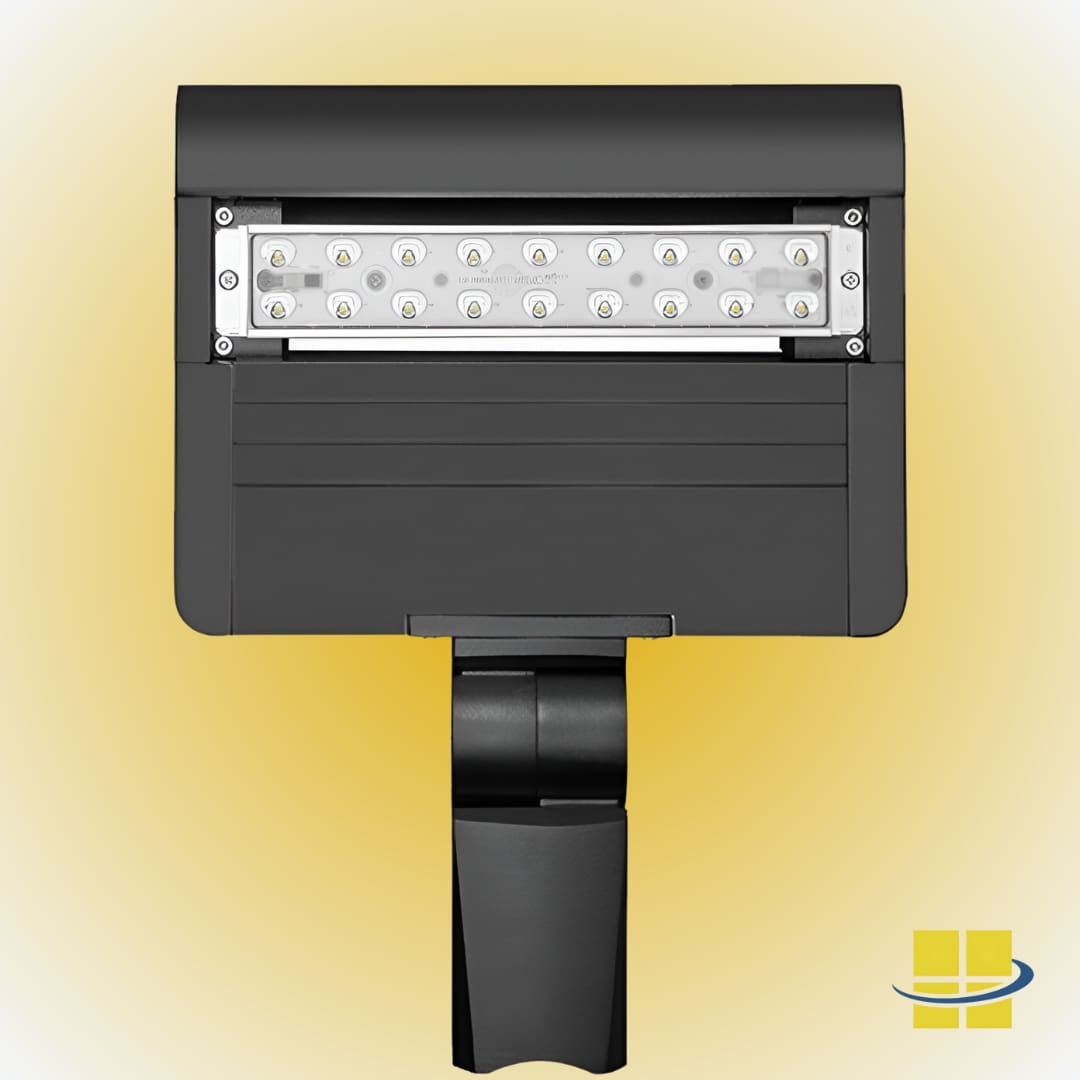
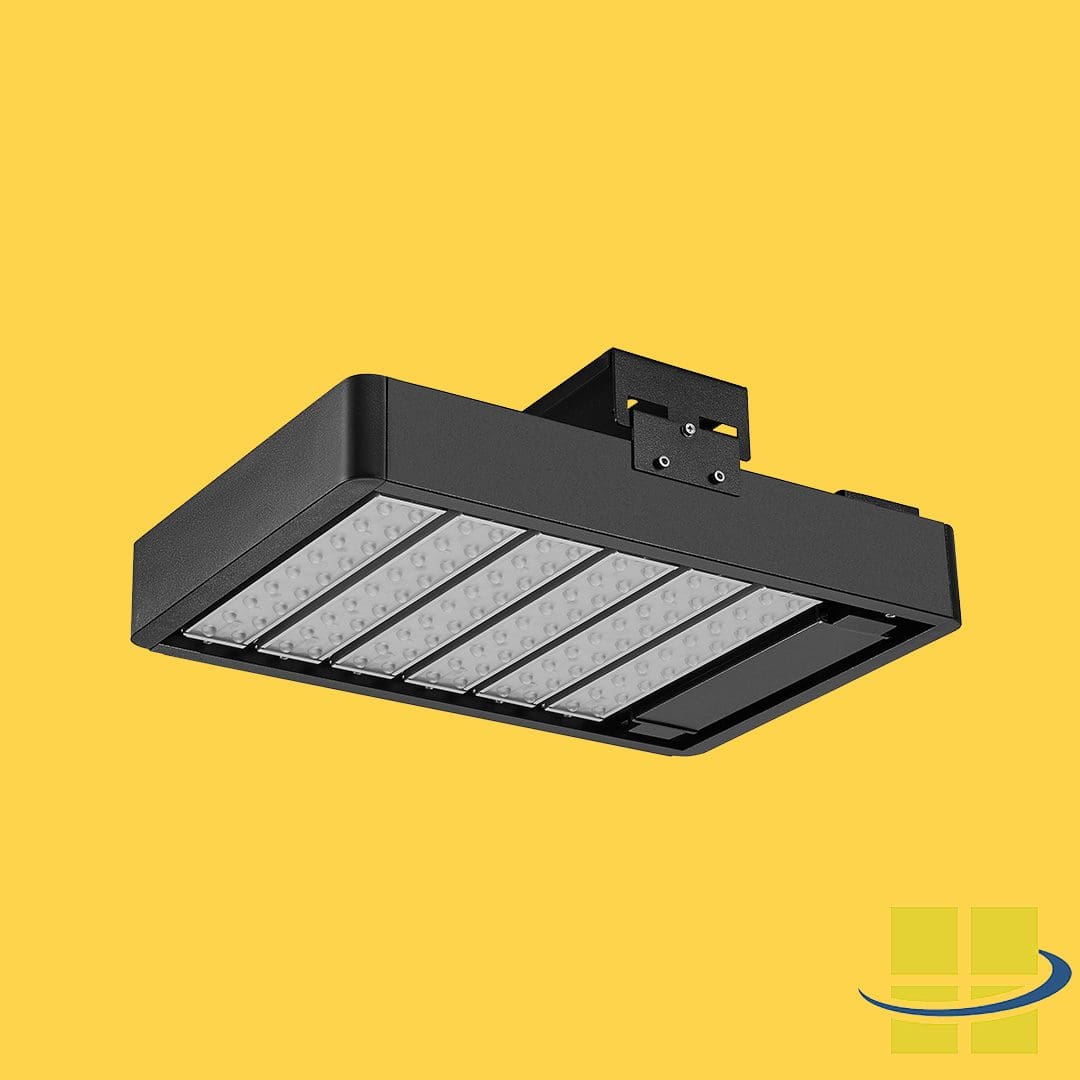
- Improved Visibility and Reduced Glare: Well-designed lighting on bridges enhances safety and security for pedestrians and vehicles by improving visibility and reducing glare. Full cutoff, downward-directed fixtures ensure that light is focused where needed, such as on pedestrian bridge lighting paths, improving visibility while minimizing dangerous glare.
- Color Temperature: Using warmer color lights (e.g., amber, red, or a CCT of 3000K or lower, specifically 590nm-595nm LEDs) is crucial for minimizing ecological impacts. Blue-rich light (higher CCT) is known to disrupt bird and insect behavior, attract arthropods, and alter aquatic environments. Warmer tones also reduce glare, preserve human night vision, and are generally considered more pleasing to humans.
- Adaptive Controls: Lighting should be no brighter than necessary. Adaptive controls like dimming, timers, and motion sensors should be used to reduce light output during periods of low activity or at specific times. This saves energy and reduces skyglow.
- Community and Health Benefits: Reducing light pollution enhances the aesthetic appeal of the community and allows for enjoyment of the night sky. It can also positively impact human health by supporting natural circadian rhythms and improving sleep quality. Thoughtful lighting design, including custom finishes and low-profile fixtures, can complement a bridge's architecture and contribute to a consistent community aesthetic.
The Economic and Sustainability Case for Wildlife Friendly Lighting
Investing in wildlife-friendly solutions yields substantial long-term economic and environmental benefits.
- Energy Efficiency and Cost Savings: Wildlife friendly lighting often incorporates energy-efficient LED technology and smart controls. This significantly reduces electricity consumption and lowers energy bills, offering long-term cost savings.
- Lower Maintenance and Durability: LEDs have significantly longer lifespans compared to traditional lighting, which reduces maintenance frequency, associated costs, and labor. This is particularly beneficial for hard-to-access lights on bridges. Choosing durable, marine-grade, and vandal-resistant LED fixtures ensures longevity and reduces the need for frequent maintenance.
- Reduced Carbon Footprint: By consuming less energy and potentially utilizing renewable sources like solar power, these lights reduce reliance on fossil fuels and minimize carbon emissions.
Conclusion: A Strategic Investment in the Future
Implementing wildlife friendly lighting on a bridge over a river is a holistic and strategic decision that offers a multitude of benefits. It safeguards sensitive ecosystems, ensures adherence to evolving environmental regulations, enhances public safety and enjoyment, and provides significant long-term economic and environmental advantages.
Next Step Suggestion:
To make specific recommendations, a detailed site assessment for the bridge and surrounding river environment should be conducted to identify the specific wildlife species present and their light sensitivities, as well as existing light levels and potential spill pathways. This would inform the precise lighting design. It would also be beneficial to perform a detailed photometric analysis, simulating various lighting options (e.g., different optics, color temperatures, and dimming schedules) to quantify light spill and direct visibility impacts on specific sensitive zones within the river ecosystem.
Wildlife Friendly Lighting on a Bridge Frequently Asked Questions (FAQs)
Why is regular bridge lighting a problem for wildlife?
Artificial light from bridges disrupts the natural behaviors of wildlife, like migration and reproduction. It can create barriers for fish, disorient birds, and fragment the habitats of bats and other mammals.
Which animals are most affected by bridge lighting?
Key examples include fish and aquatic invertebrates, bats, migratory birds, and nocturnal amphibians like frogs.
What makes lighting "wildlife-friendly"?
It involves specific design strategies like using warmer color temperatures (3000K or lower), shielded fixtures that direct light downward to prevent spill, and adaptive controls like dimmers or timers to keep light levels low.
Does wildlife-friendly lighting compromise human safety?
No, it can enhance safety. By using properly shielded, downward-directed fixtures, it improves visibility and reduces dangerous glare for pedestrians and drivers.
Are there official guidelines or regulations for this?
Yes, many municipalities have lighting ordinances, and expert organizations like the IDA and IES provide key guidelines for responsible outdoor lighting.
Is this type of lighting more expensive?
While there can be initial costs, it provides long-term savings. This is achieved through lower electricity use from energy-efficient LEDs and reduced maintenance costs due to longer fixture lifespans.
What is the best color light to use to protect wildlife?
Warmer colors like amber or red (3000K CCT or lower) are best because they are less disruptive to wildlife than blue-rich white light. In sensitive habitats, 590nm amber LEDs may be specifically mandated.
How does this lighting save money?
It saves money in two main ways: through significantly reduced electricity consumption from efficient LED technology, and lower maintenance costs due to the long lifespan of the fixtures.
Are there benefits besides protecting wildlife and saving money?
Yes, it enhances the community by preserving night sky views, improving human health by supporting natural sleep rhythms, and contributing to a pleasing community aesthetic.
What is the first step to planning a wildlife-friendly lighting project?
The recommended first step is to conduct a detailed site assessment to identify the specific wildlife, their sensitivities, and existing light conditions. This information is then used to create a precise, effective lighting design.