

Outdoor LED Lights: Complete Guide to Illuminating Your Outdoor Spaces
Outdoor LED lights have transformed how we illuminate our exterior spaces, offering unprecedented energy efficiency, smart features, and long-lasting performance. With the ability to consume up to 80% less electricity than traditional incandescent bulbs while providing superior brightness and control options, LED outdoor lighting represents one of the most significant advances in home and commercial lighting technology.
Whether you’re looking to enhance security around your house, create ambient lighting for entertaining, or simply reduce your energy costs, understanding the diverse range of outdoor LED options available can help you make the best choice for your specific needs. From smart string lights that sync with music to powerful floodlights with motion detection, today’s LED outdoor lights offer features that were unimaginable just a decade ago. Outdoor light options, such as decorative string lights and versatile strip lights, can enhance patios, walls, and house exteriors, providing both functional illumination and aesthetic appeal.
Key Takeaways
-
- Outdoor LED lights offer superior energy efficiency, consuming up to 80% less electricity than traditional incandescent bulbs
- Modern LED outdoor lighting features smart controls, and weatherproof designs for year-round durability
- Popular options include LED bollard lights, LED floodlights, LED pathway lights, and wall-mounted fixtures for various outdoor applications, as well as post lights and step lights for enhanced safety and decorative appeal.
Introduction to Outdoor Lighting
Outdoor lighting is an essential element in transforming any outdoor space into a safe, functional, and visually appealing environment. Whether you’re illuminating a backyard, patio, garden, or commercial property, the right outdoor lights can make a significant difference in both usability and curb appeal. Outdoor lighting not only enhances visibility and safety after dark but also adds a welcoming touch to your home or business.
With a wide variety of outdoor lighting fixtures available, such as flood lights for broad coverage, patio lights for cozy gatherings, and outdoor wall lights for entryways, there’s a solution for every need and style. LED outdoor lights and pathway lights are especially popular for their energy efficiency and long-lasting performance, making them ideal for illuminating walkways, driveways, and landscaping features. By thoughtfully selecting and placing your outdoor lights, you can create a warm, inviting atmosphere that extends your living space beyond the walls of your home.

Types of Outdoor LED Lights
| Light Type | Wattage Range | Coverage Area | Primary Uses | Installation |
|---|---|---|---|---|
| Floodlights | 10W-500W | Up to 2000+ sq ft | Security, area lighting | Wall/pole mount |
| Pathway Lights | 3W-15W | 6-10 feet spacing | Safety, navigation | Ground stake/mount |
| Wall Fixtures | 8W-50W | 100-400 sq ft | Accent, entry lighting | Wall mount |
LED Floodlights and Security Lights
LED floodlights represent the powerhouse category of outdoor lighting, delivering high lumen output for comprehensive area illumination. These fixtures range from compact 10W residential units perfect for highlighting specific features to massive 500W commercial-grade systems capable of lighting entire parking lots. Wall pack fixtures are another popular choice for building perimeters and security lighting, offering full cutoff optics and durable construction.
Modern LED flood lights incorporate sophisticated motion sensor technology with adjustable detection ranges extending up to 70 feet. The sensors can be fine-tuned for sensitivity, preventing false triggers from small animals while reliably detecting human movement. Many models feature dusk-to-dawn photocell controls that automatically activate the lights at sunset and turn them off at sunrise, ensuring consistent security coverage without manual intervention.
The beam spread options available in today’s LED floodlights provide remarkable versatility. Narrow spot configurations concentrate light for long-distance illumination, while wide flood patterns cover broader areas with even distribution. Asymmetric patterns are particularly useful for architectural applications where precise light placement is crucial.
Weather resistance in quality LED floodlights typically meets IP65 or IP66 standards, meaning they can withstand powerful water jets and are completely dust-tight. This level of protection ensures reliable operation in harsh weather conditions, from driving rain to snow and ice.
Pathway and Landscape Lighting
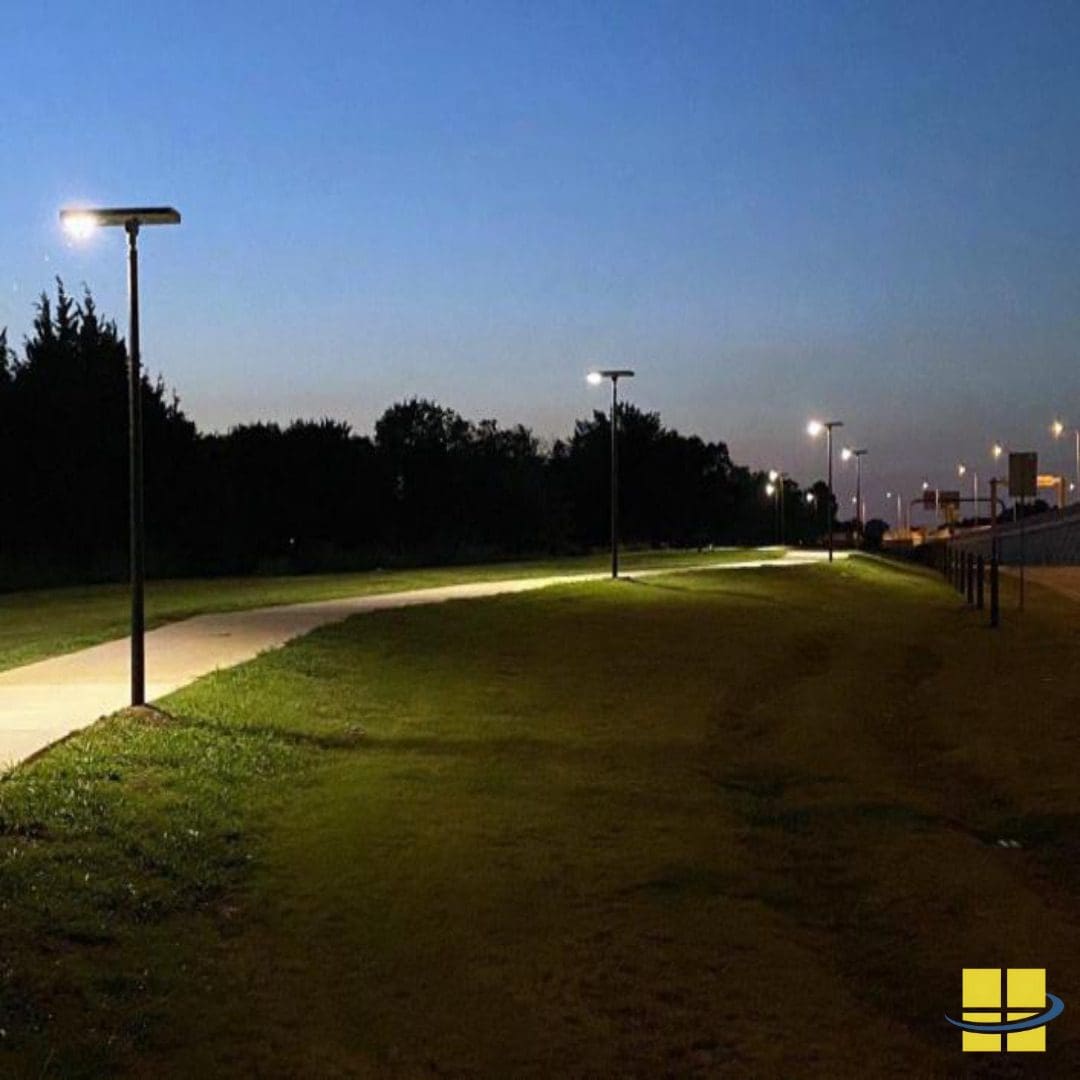
Pathway lights serve the crucial dual purpose of safety and aesthetics in outdoor spaces. These low-voltage fixtures typically operate at 12V, making them safer for DIY installation while reducing energy consumption. LED path lights effectively guide visitors along walkways, stairs, and driveways while highlighting landscape features. Proper driveway lighting enhances safety and visibility, especially at night, by illuminating the path for vehicles and pedestrians, helping to prevent accidents and increase security.
Modern pathway lighting systems offer adjustable color temperature options, ranging from warm 2700K light that creates a cozy atmosphere to cooler 5000K illumination that enhances visibility and security. This flexibility allows homeowners to match their outdoor lighting to different seasons or occasions.
Solar pathway lights have gained significant traction due to their installation simplicity and zero operating costs. High-quality solar units feature efficient photovoltaic panels and advanced battery management systems that provide consistent performance even during cloudy periods. The automatic dusk-to-dawn operation eliminates the need for timers or manual switches.
Landscape lights within this category include spotlights designed to highlight trees, architectural features, and signage. These fixtures often feature adjustable mounting systems that allow precise aiming and can be easily repositioned as plants grow or seasonal displays change.
Wall-Mounted LED Fixtures
Wall-mounted outdoor lighting fixtures encompass both functional and decorative applications. Traditional wall packs provide utilitarian lighting for building perimeters, entries, and service areas. Many wall-mounted fixtures are also suitable for ceiling installation, offering flexibility for different mounting heights and surface types. These fixtures typically range from 30W to 139W and are designed for mounting at heights of 10-20 feet to maximize coverage while minimizing glare.
Decorative wall sconces and lantern-style fixtures serve as focal points for entryways and outdoor living areas. These outdoor lighting fixtures often incorporate classic design elements while housing modern LED technology, providing the best of both aesthetic appeal and energy efficiency.
Full cutoff designs have become increasingly important in wall-mounted fixtures to address light pollution concerns. These fixtures direct light downward and prevent upward light spillage, reducing sky glow while maintaining effective illumination of the intended area. Many communities now require full cutoff outdoor wall lights in new installations.
Vandal-resistant options feature impact-resistant lenses and tamper-proof hardware, making them suitable for commercial applications and high-traffic areas. Some models offer field-adjustable wattage and color temperature settings, allowing fine-tuning of performance after installation without replacing the complete fixture.
Bollard Lights
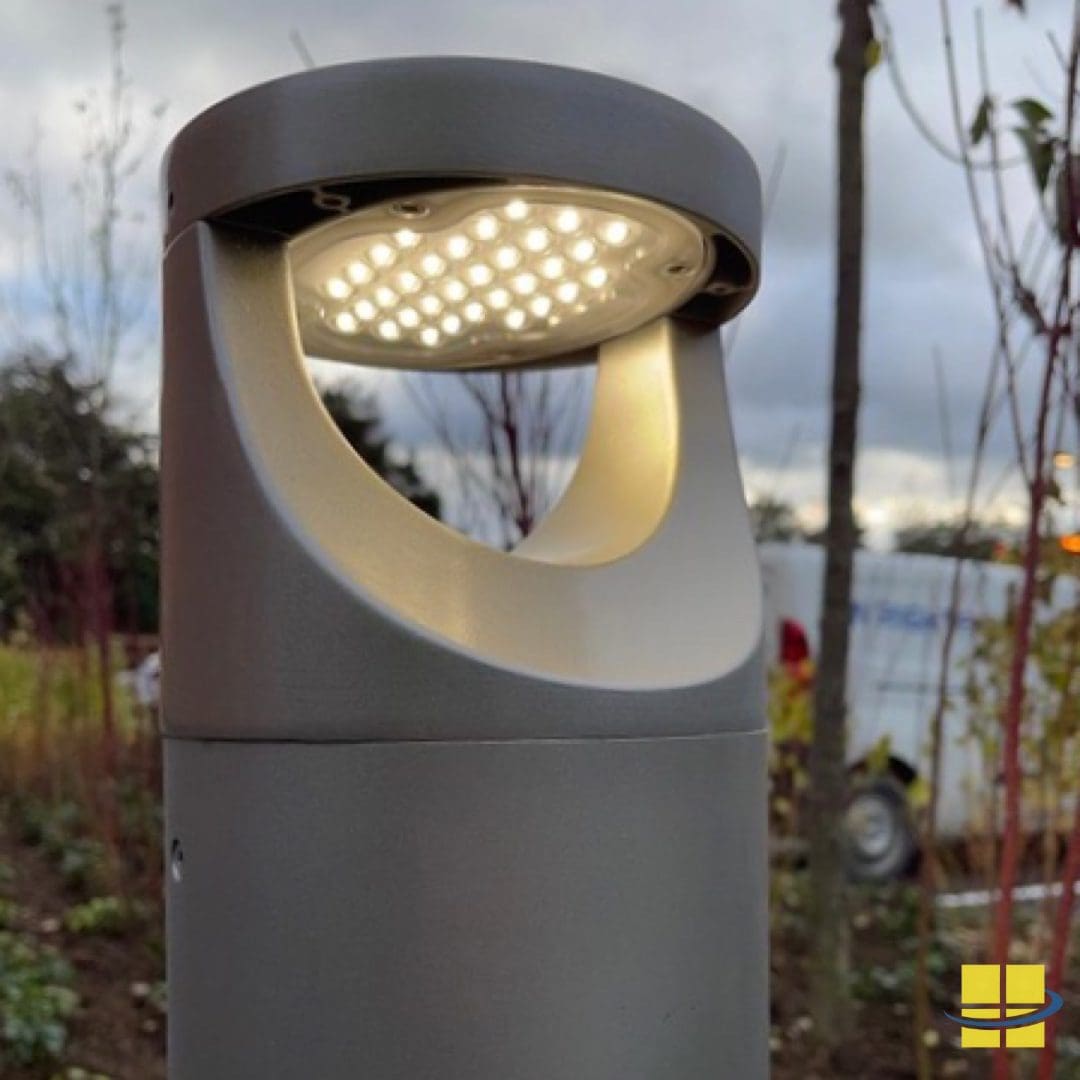
Bollard lights are short, sturdy outdoor lighting fixtures typically mounted on posts or pillars to illuminate pathways, gardens, patios, and other outdoor areas. Post lights are another effective solution for illuminating entryways and accentuating garden features, offering enhanced safety and a welcoming outdoor environment. They provide both functional lighting for safety and navigation as well as aesthetic appeal by defining walkways and highlighting landscape features. Bollard lights often feature durable construction materials such as bronze or powder-coated aluminum to withstand diverse outdoor environments and weather conditions.
Modern bollard lights utilize integrated LED technology, offering energy-efficient illumination with high performance and long lifespan. They come in a variety of color options and brightness levels, allowing customization to match the ambiance of your outdoor space. Their compact design makes them ideal for lighting stairs, patios, and garden paths without overwhelming the surrounding area.
In addition to their practical uses, bollard lights enhance outdoor security by clearly marking walkways and access points, reducing trip hazards at night. Many models include features like motion sensors and dusk-to-dawn photocells for automated operation, further increasing energy savings and convenience.
Overall, bollard lights are a versatile and durable choice for exterior lighting, blending safety, style, and energy efficiency to elevate your outdoor lighting design.
Sports Lights
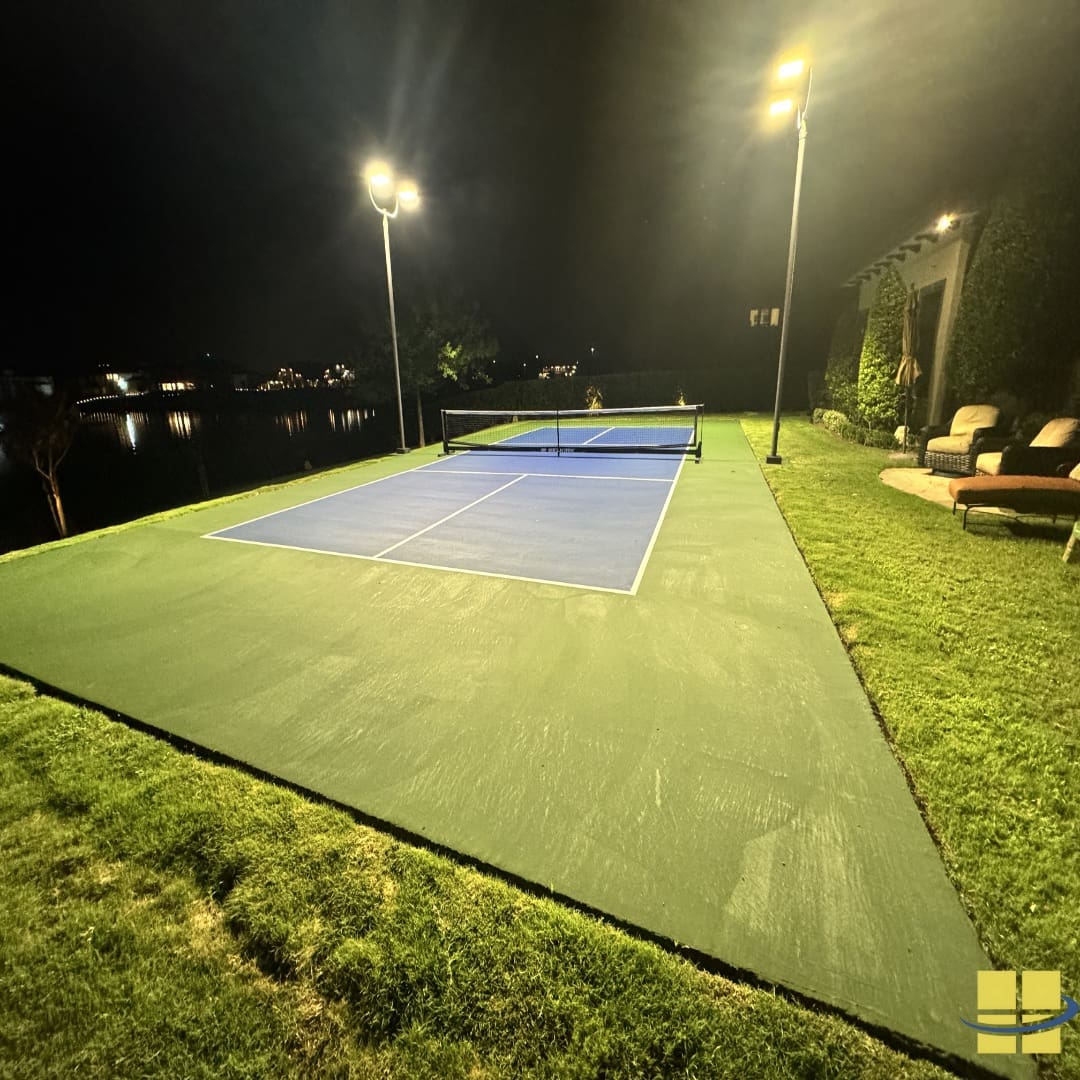
Sports lights are specialized outdoor LED fixtures designed to provide high-intensity, uniform illumination for athletic fields, stadiums, and recreational areas. These lights ensure excellent visibility for players, officials, and spectators during evening and nighttime events, enhancing safety and performance.
Modern LED sports lights deliver high lumen output with precise beam control to minimize glare and light spill into surrounding neighborhoods. Adjustable mounting options and various beam spreads allow customization to suit different field sizes and sports requirements, from soccer and baseball to tennis and track events.
Energy efficiency and durability are critical features of sports lighting systems. LED technology significantly reduces power consumption compared to traditional metal halide or halogen fixtures, lowering operating costs and maintenance frequency. Many sports lights also incorporate smart controls for dimming, scheduling, and remote management, enabling event-based lighting adjustments.
Weather-resistant housings and robust construction materials ensure sports lights perform reliably in diverse outdoor environments, including exposure to rain, wind, and temperature extremes. Some advanced models offer RGB lighting capabilities for dynamic color effects during special events or team celebrations.
Overall, LED sports lights provide a professional-grade lighting solution that combines brightness, energy efficiency, and flexibility to meet the demanding needs of modern sports facilities.
Outdoor Spaces Illumination: Principles and Strategies
Illuminating outdoor spaces effectively starts with understanding the purpose of each area and the activities that will take place there. The right outdoor lighting can transform a simple backyard into a vibrant entertainment zone or a tranquil retreat. Begin by assessing how you use your outdoor space, whether it’s for dining, relaxing, gardening, or entertaining guests, and tailor your lighting plan accordingly.
Strategic outdoor lighting can highlight the natural beauty of your landscape, drawing attention to trees, plants, and architectural elements. For example, soft lighting can create a serene mood in a garden, while brighter lights on a deck can support lively gatherings. Layering different types of lighting, such as accent lights for features, task lighting for pathways, and ambient lighting for general illumination, ensures both functionality and visual interest. By combining these principles, you can design an outdoor space that is both practical and aesthetically pleasing, making the most of your outdoor environment day and night.



Lighting for Specific Areas
Every outdoor space has unique lighting requirements, and choosing the right fixtures for each area ensures both safety and style. Here’s how to approach lighting for some of the most important zones in your outdoor space:
Entrances and Doorways
Entrances and doorways are key points that benefit from well-planned lighting to enhance both safety and security. Outdoor wall lights, such as wall sconces, provide a welcoming glow that guides guests to your door while deterring unwanted visitors. Opt for LED lights with high lumen output for bright, clear illumination that covers steps and entryways. Energy-efficient options not only reduce energy consumption but also offer long-lasting performance, ensuring your entrances remain well-lit and secure throughout the night.
Patios and Decks
Patios and decks are the heart of outdoor entertaining, and the right lighting can set the perfect mood for any occasion. Pathway lights and outdoor LED lights can define the edges of your deck, while string lights draped overhead add a festive, inviting touch. Consider fixtures with adjustable color temperatures to match the ambiance of your event, warmer tones for intimate dinners, and cooler tones for lively gatherings. By mixing and matching different types of lights, you can create a dynamic and comfortable outdoor living area that’s ready for any activity.
Gardens and Lawns
Gardens and lawns come alive at night with thoughtfully placed landscape lights. Use spotlights to accentuate the shapes and colors of your favorite plants, or install floodlights to highlight larger garden features. Solar-powered lights offer an energy-efficient and eco-friendly way to illuminate pathways and flower beds, while a variety of color options and brightness levels let you customize the look to suit your landscape. With the right lighting, your gardens and lawns can become enchanting spaces that showcase the beauty of your outdoor environment after sunset.
Energy Efficiency and Cost Savings
The energy efficiency of LED outdoor lights represents their most compelling advantage over traditional lighting technologies. LEDs convert approximately 95% of their electrical input into light, while incandescent bulbs waste about 90% of their energy as heat. This dramatic difference translates into substantial reductions in energy costs for both residential and commercial applications.
A practical example illustrates these savings: replacing ten 60W incandescent outdoor bulbs with equivalent 10W LED fixtures, which can directly replace traditional or higher-wattage fixtures to provide better illumination and energy savings. Assuming 3 hours of daily operation at $0.12 per kWh, this reduces annual energy costs from approximately $72 to $12. This $60 annual savings means the LED upgrade pays for itself in less than two years, even accounting for the higher initial purchase price.
For larger installations, the savings multiply dramatically. A parking lot using twenty 400W metal halide fixtures consuming 8,800W can be replaced with LED area lights using just 3,000W while maintaining equivalent illumination levels. This 66% reduction in power consumption saves over $700 annually per hour of operation.
The environmental benefits extend beyond energy savings. LED outdoor lights contain no mercury, unlike fluorescent fixtures, eliminating hazardous waste disposal concerns. Their extended lifespan of 50,000 to 100,000 hours means fewer replacements and reduced manufacturing demand. Additionally, the reduced energy consumption directly translates to lower greenhouse gas emissions from power generation.
Many utility companies offer rebates for LED retrofits, recognizing their role in reducing peak demand. These incentives can offset 10-30% of initial costs, further improving the return on investment for LED outdoor lighting upgrades.
Smart Features and Technology
Smart outdoor LED lights have revolutionized how we control and interact with exterior lighting. Smart outdoor lamps, including decorative and security lamps, offer enhanced control and energy efficiency for various outdoor applications. WiFi and Bluetooth connectivity enable comprehensive control through smartphone apps, allowing users to adjust brightness, change colors, and create custom lighting schedules from anywhere.
Voice control compatibility with Amazon Alexa, Google Assistant, and Apple HomeKit has made smart outdoor lights incredibly user-friendly. Simple voice commands can turn lights on or off, dim them to specific levels, or activate preset scenes for different occasions. This hands-free control is particularly valuable when carrying groceries or returning home after dark.
Scheduling and automation features provide both convenience and security benefits. Users can program lights to simulate occupancy patterns while away, gradually increase brightness at sunset, or coordinate with sunrise and sunset times that automatically adjust throughout the year. Some systems learn from usage patterns and suggest optimizations for energy savings.
Color-changing capabilities in smart outdoor lights offer over 16 million color combinations, enabling everything from subtle seasonal themes to vibrant party atmospheres. Pre-programmed scenes can instantly transform outdoor spaces for holidays, celebrations, or quiet evenings.
Integration with home security systems adds another layer of functionality. Smart outdoor lights can flash when motion is detected, illuminate pathways when security cameras are triggered, or coordinate with alarm systems to deter intruders. Some systems send smartphone alerts when unexpected motion is detected, allowing homeowners to monitor their property remotely.
Installation and Design Considerations
Proper installation of outdoor LED lights requires careful planning to ensure safety, code compliance, and optimal performance. The approach differs significantly between low-voltage systems that homeowners can install themselves and line-voltage installations that require professional electricians.
Low-voltage LED outdoor lighting systems operating at 12V are generally safe for DIY installation. These systems require transformers to convert household 120V power to 12V, and the lower voltage reduces shock risk. However, proper wire sizing remains critical to prevent voltage drop that can diminish light output and reduce fixture lifespan.
Line-voltage installations at 120V or 240V must comply with local electrical codes and typically require permits. Professional installation ensures proper GFCI protection, appropriate circuit sizing, and weatherproof connections that meet code requirements. The additional cost of professional installation is often justified by warranty protections and insurance considerations.
Design placement should balance security needs with aesthetic goals and neighbor considerations. Security lighting should cover entry points, walkways, and potential hiding spots while avoiding excessive glare that creates a nuisance. Uplighting can dramatically enhance trees and architectural features, while downlighting provides functional illumination for outdoor areas.
Many homeowner associations and local ordinances restrict outdoor lighting brightness, direction, and hours of operation. Dark-sky friendly fixtures that direct light downward help preserve night sky visibility while meeting most regulatory requirements. Consulting local regulations before installation prevents costly modifications later.
Integration with existing landscape features requires coordination with irrigation systems, underground utilities, and seasonal plantings. Professional landscape lighting designers can create comprehensive plans that account for plant growth, seasonal changes, and long-term maintenance access.
Weather Resistance and Durability
The ability to withstand diverse outdoor environments distinguishes quality LED outdoor lights from inferior products. The IP (Ingress Protection) rating system provides standardized measurements of protection against dust and water intrusion that directly impact fixture longevity and performance.
IP44-rated fixtures offer splash resistance suitable for covered areas like porches and overhangs. IP65 protection guards against water jets from any direction, making these fixtures suitable for most exposed outdoor locations. IP67-rated lights can withstand temporary submersion, ideal for in-ground installations or areas prone to flooding.
Material selection significantly impacts durability and maintenance requirements. Powder-coated aluminum provides excellent corrosion resistance while remaining lightweight for easy installation. Stainless steel offers superior durability in coastal environments where salt air accelerates corrosion. High-impact plastics reduce weight and cost while providing adequate protection for many residential applications.
Temperature extremes test the limits of outdoor lighting components. Quality LED fixtures operate reliably from -40°F to 120°F, covering virtually all inhabited climates. Thermal management becomes crucial in hot climates where excessive heat can reduce LED lifespan and efficiency. Heat sinks and ventilation designs help maintain optimal operating temperatures.
UV resistance prevents degradation of plastic components and maintains color stability over years of sun exposure. Quality fixtures include UV stabilizers in plastic formulations and protective coatings on metal surfaces to prevent fading and weathering.
Warranties ranging from 5 to 10 years reflect manufacturer's confidence in their products’ durability. Comprehensive warranties covering both LED components and fixture housing provide the best long-term value protection.
Maintenance and Troubleshooting
LED outdoor lights require minimal maintenance compared to traditional lighting technologies, but periodic attention ensures optimal performance and maximum lifespan. Regular cleaning of lenses and housings prevents dirt accumulation that can reduce light output by 20% or more over time.
Solar-powered fixtures require special attention to photovoltaic panels, which should be cleaned monthly in dusty environments. Tree growth that shades solar panels can dramatically reduce charging capacity, requiring periodic trimming or fixture relocation.
Seasonal inspections should include checking mounting hardware for corrosion or loosening, inspecting wiring connections for damage, and testing motion sensors and timers for proper operation. Early detection of issues prevents minor problems from becoming costly failures.
Common troubleshooting issues include flickering lights, which often indicate driver failure or voltage fluctuations. Dimming output may result from dirty lenses, voltage drop in long wire runs, or natural LED degradation over time. Smart lights that lose connectivity typically require network password updates or router proximity improvements.
The decision between repair and replacement depends on fixture age, warranty coverage, and repair costs relative to new fixture prices. LED drivers are often the first components to fail and are sometimes user-replaceable, extending fixture life significantly.
Professional maintenance services are available for large installations, typically costing under $500 annually for residential properties. These services include cleaning, performance testing, and preventive component replacement that can extend system life and maintain optimal performance.
Popular Brands and Products
Access Fixtures is a trusted name in the outdoor LED lighting market, known for providing high-quality, professional-grade lighting solutions. Their product range includes durable outdoor LED lights designed for a variety of applications, from residential landscape lighting to commercial and industrial exterior lighting. Access Fixtures emphasizes energy efficiency, long-lasting performance, and ease of installation in their offerings.
Their portfolio features a wide selection of fixtures such as LED floodlights, pathway lights, wall packs, and area lights, all built to withstand diverse outdoor environments. Many of their products come with adjustable color temperature options and advanced features like motion sensors and photocell controls to enhance security and convenience.
Access Fixtures is also recognized for excellent customer support and detailed product information, helping customers select the right fixtures for their specific outdoor lighting needs. Their commitment to quality and service makes them a reliable choice for both homeowners and professionals seeking efficient, durable outdoor LED lighting solutions.
Outdoor LED Lights Frequently Asked Questions (FAQs)
What is the average lifespan of outdoor LED lights?
Quality outdoor LED lights from Access Fixtures typically last in excess of L70 ratings of 200,000 hours depending on construction quality and operating conditions. This translates to 10-20 years of normal residential use, significantly longer than incandescent or fluorescent alternatives.
Can outdoor LED lights be dimmed?
Yes, most modern outdoor LED lights are dimmable when paired with compatible dimmable drivers and controls. Smart LED fixtures often include dimming capabilities built into their app controls, while traditional fixtures require compatible dimmer switches.
How much do professional outdoor LED lighting installations cost?
Professional installation of comprehensive residential outdoor LED lighting systems typically costs $2,000-$4,000, varying based on fixture count, wiring complexity, and local labor rates. Commercial installations scale proportionally based on coverage area and fixture specifications.
Are smart outdoor LED lights secure from hacking?
Smart outdoor LED lights can be secured through proper network configuration, including WPA3 encryption, regular firmware updates, and strong, unique passwords. While no connected device is completely immune to security risks, following best practices provides excellent protection.
What color temperature is best for outdoor security lighting?
Color temperatures between 4000K and 5000K provide optimal visibility and alertness for security applications. This neutral white light enhances contrast and detail recognition while minimizing eye strain during extended observation.
Do outdoor LED lights work in winter temperatures?
Quality LED outdoor lights operate reliably in extreme winter conditions down to -40°F. LED technology actually performs more efficiently in cold temperatures, making it ideal for harsh climate applications where other lighting technologies struggle.
How do I choose between solar and wired outdoor LED lights?
Solar lights work best in locations with 6+ hours of direct sunlight and where electrical wiring is impractical or expensive. Wired systems provide consistent performance, higher light output, and integration with home electrical systems, making them preferred for primary lighting applications.
Can I install outdoor LED lights myself?
Low-voltage (12V) LED outdoor lighting systems are generally suitable for DIY installation following manufacturer instructions. Line-voltage (120V/240V) installations require licensed electricians to ensure code compliance and safety, particularly when adding new circuits or outdoor outlets.
What are the best outdoor LED lighting options for a porch?
For porches, popular outdoor LED lighting options include string lights for ambiance, solar lights for energy efficiency and easy installation, and security fixtures to enhance safety and curb appeal. Combining these options can create a welcoming and well-lit porch area.
Outdoor LED lights represent a transformative technology that combines energy efficiency, smart features, and long-term durability to revolutionize exterior lighting. Whether you’re upgrading existing fixtures or designing a complete outdoor lighting system, LED technology offers solutions for every application from basic security lighting to sophisticated smart home integration. The initial investment in quality LED outdoor lights pays dividends through reduced energy costs, minimal maintenance requirements, and enhanced functionality that traditional lighting simply cannot match.