by Access Fixtures | Apr 10, 2017 | Access Fixtures Lighting Solutions Blog, LED Bollard Light Blogs, LED Energy Saving Blogs, LED Lighting Blogs
Access Fixture launched two LED bollard light fixtures: 15w LED round flat-top bollard lights and 15w LED round dome-top bollard lights. Both styles feature LED arrays with LED chips and a high-performance, industry-leading specialized aluminum cone reflector. With...
by Access Fixtures | Apr 4, 2017 | Access Fixtures Lighting Solutions Blog
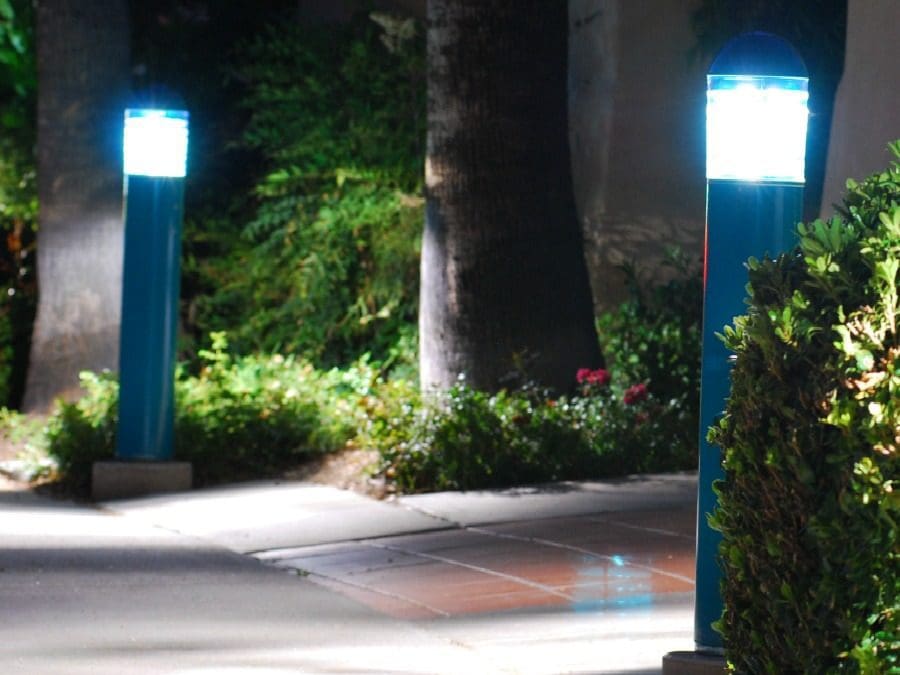
In the commercial lighting industry, LED outdoor bollard lights are celebrated for their sophisticated design and exceptional durability. Access Fixtures is at the forefront, employing advanced construction techniques to ensure their lights can endure harsh...
by Access Fixtures | Mar 22, 2017 | LED Flood Light Blogs, LED Lighting Technology Learning
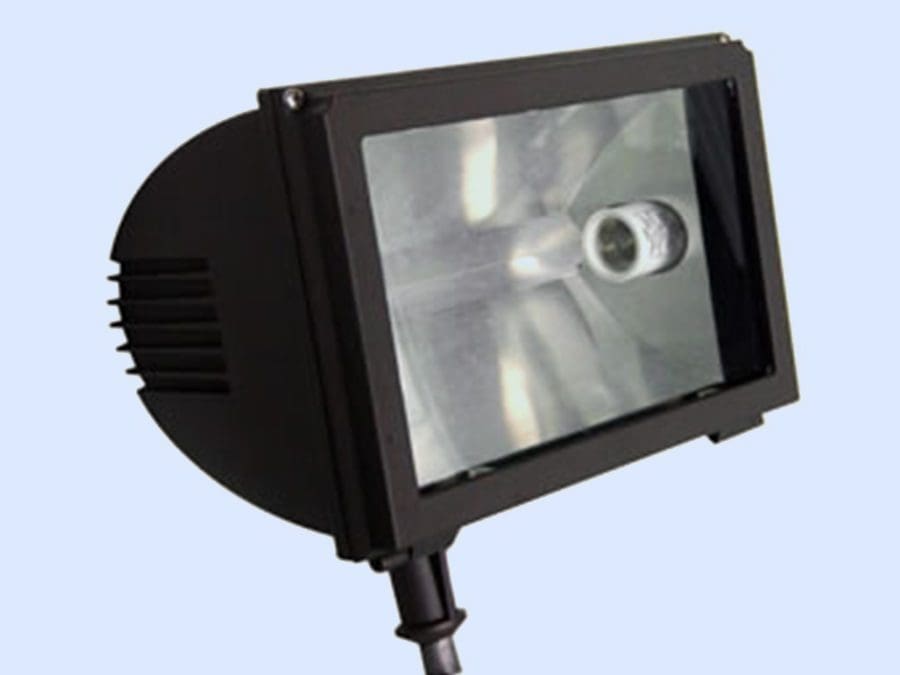
Understanding Metal Halide Lighting Metal halide lighting is a type of high-intensity discharge (HID) lighting that uses an electric arc to produce light. Known for their high color-rendering index (CRI) and energy efficiency, metal halide lamps are a popular choice...
by Access Fixtures | Mar 18, 2017 | Access Fixtures Lighting Solutions Blog, LED Lighting Blogs
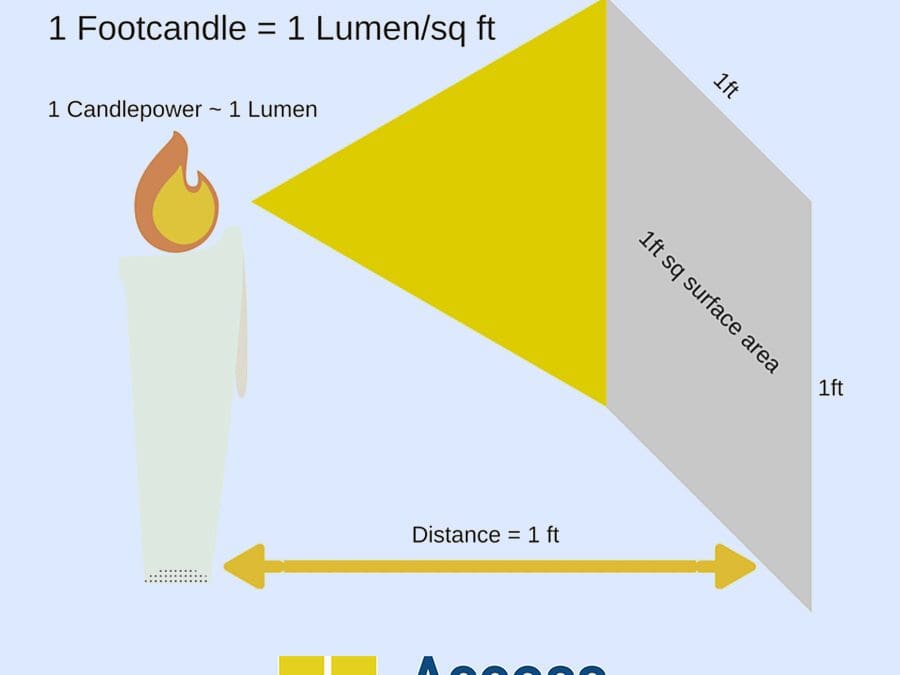
Recommended Minimum Footcandles Embracing any new technology can be difficult at first. LED has proven to be no exception to this adjustment process. Old lighting technologies limited the range of wattage, efficiency, and customization; unfortunately, though, we...
by Access Fixtures | Mar 17, 2017 | Access Fixtures Lighting Solutions Blog, LED Bollard Light Blogs
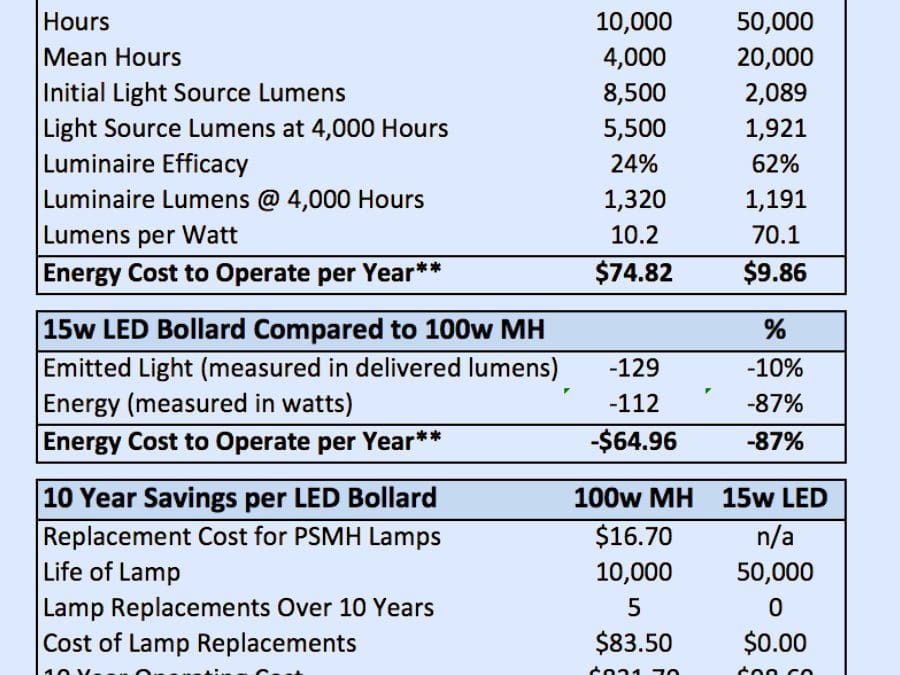
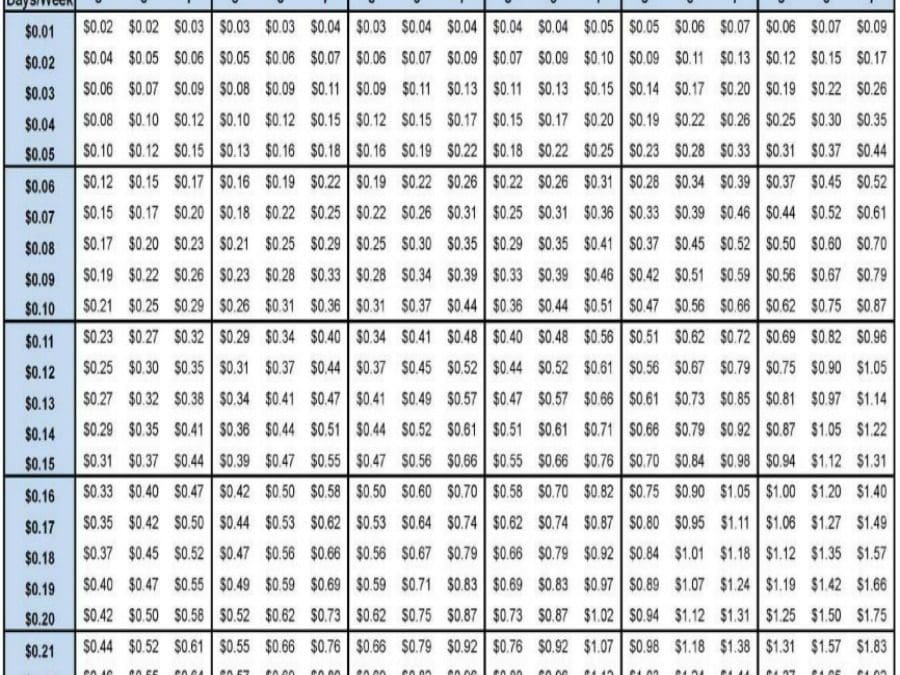
There are many factors that impact the annual operating cost of a bollard light. Certainly the light source of your bollard light and, in the case of HID bollards, the frequency with which you change your lamps, will affect your annual costs. Energy cost is a...
by Access Fixtures | Mar 17, 2017 | Access Fixtures Lighting Solutions Blog, LED Bollard Light Blogs
While LEDs are now many people’s first choice—and the only thing Access Fixtures sells—there are still four types of light sources available: LED, high pressure sodium (HPS), pulse start metal halide (PSMH), and compact fluorescent (CFL). Unless you have an excellent...
