

Pickleball has surged in popularity over the past few years, becoming a favorite pastime for many sports enthusiasts. As a fast-growing sport, pickleball increasingly requires proper lighting to support play during evening hours and accommodate the expanding number of players. As more pickleball courts are being built and maintained, the need for effective lighting becomes paramount. Proper lighting is essential for ensuring players can enjoy their game safely and competitively, especially during evening hours or in low-light conditions. Selecting the right color temperature is crucial for pickleball lighting, as it directly affects visibility and the appearance of the court, helping to maintain color accuracy and enhance player experience. Traditional lighting systems, however, come with their own set of challenges, including high installation costs, extensive trenching, and substantial energy consumption. Cooler light sources, which have higher Kelvin temperatures, can sometimes produce a bluish tint that should be avoided to ensure natural color rendering on the court. Solar pickleball lighting: a sustainable, cost-effective solution that leverages the power of the sun. Solar lighting eliminates the need for trenching and offers significant savings on electricity bills and qualifies for various tax rebates. The choice of light source, such as modern LED lights, impacts both energy efficiency and the quality of illumination on the court. This article delves into the myriad benefits of solar pickleball lighting, the technical requirements for optimal illumination, and the intricacies of solar battery types and their performance. Planning for even light coverage and determining how much light is required for different court types and skill levels is essential to meet both safety and performance standards. Industry standards and guidelines, such as those found in the ASBA pickleball construction manual, provide valuable direction for lighting design, and companies like LSI Industries are recognized for their expertise in delivering high-quality pickleball court lighting solutions.
Key Takeaways
-
-
Optimal Illumination: Ensure 30-50 footcandles and a max/min ratio of 2.0 or lower for safe, uniform lighting on pickleball courts.
-
Battery Performance: Choose batteries like lithium-ion or lead-acid based on charging cycles and temperature tolerance to maintain efficiency.
-
Installation and Maintenance Benefits: Solar systems avoid trenching, offer tax incentives, and save energy. Regular maintenance maximizes performance and lifespan.
-
What is Pickleball Lighting?
Pickleball court lighting is a fundamental element in creating a safe and enjoyable playing environment. The American Sports Builders Association (ASBA) and USA Pickleball both stress the importance of proper illumination for pickleball courts, as it directly impacts visibility, player safety, and the overall quality of play. A well-designed lighting system operates efficiently, delivering optimal illumination while minimizing energy consumption and maintenance needs. Modern light sources, such as LED lights, have become the preferred choice for pickleball lighting due to their superior brightness, energy efficiency, and long lifespan. By choosing the right lighting system, facility owners can ensure that their courts are well-lit for both recreational and competitive play, enhancing the experience for everyone on the court.
Are There Different Types of Pickleball Courts?
Pickleball courts come in a variety of forms, each with its own unique lighting requirements. Outdoor courts must be equipped with lighting solutions that can withstand changing weather conditions, from rain to intense sunlight, ensuring consistent performance year-round. This often involves selecting durable light fixtures and choosing between square, straight steel poles or round tapered steel poles for mounting. Indoor courts, on the other hand, require lighting that minimizes glare and provides even coverage, creating a comfortable environment for players. The ideal pickleball court design takes into account the specific needs of the court, whether it’s a single residential court or a multi-court commercial facility, and tailors the lighting project accordingly. LED fixtures are commonly used for both indoor and outdoor courts, offering reliable, energy-efficient illumination that meets the demands of any setting.
What Should You Consider When Designing Pickleball Court Lighting?
When planning pickleball court lighting, it’s essential to follow established guidelines from organizations like the American Sports Builders Association to ensure both compliance and optimal performance. Custom lighting solutions are often developed to address the unique needs of each facility, whether it’s a backyard court or a tournament venue. The goal is to achieve optimal illumination across the entire playing surface, eliminating shadows and providing consistent light levels for players and spectators alike. Proper sports lighting design not only enhances visibility but also contributes to the longevity and efficiency of the lighting system. By working with experienced professionals and utilizing advanced lighting technologies, facility owners can create custom lighting designs that exceed recommended standards and deliver an exceptional playing experience.

What Are The Benefits of Solar Pickleball Court Lighting?
No Trenching Required
One of the most significant advantages of solar pickleball lighting is that it eliminates the need for trenching. Traditional lighting systems require extensive underground wiring to connect the lights to the power source, which can be both labor-intensive and costly. Trenching involves digging trenches, laying cables, and then refilling the trenches, often disrupting the surrounding environment and existing infrastructure. Solar lighting systems, on the other hand, are self-contained units that include solar panels, batteries, and LED fixtures. These systems can be installed above ground, significantly reducing installation time and costs. This is particularly beneficial for pickleball courts located in remote areas or where trenching would be impractical or environmentally damaging.
Tax Rebates and Incentives
Many governments and local authorities offer tax rebates, grants, and other financial incentives for installing solar energy systems. These incentives are designed to encourage the adoption of renewable energy sources and reduce greenhouse gas emissions. By installing solar pickleball lighting, facility owners can take advantage of these financial benefits, making the initial investment more affordable. In the United States, for example, the Federal Investment Tax Credit (ITC) allows businesses to deduct a significant percentage of the cost of installing solar energy systems from their federal taxes. Additionally, various state and local programs provide further rebates and incentives, enhancing the financial attractiveness of solar lighting systems.
Energy Savings
Solar pickleball lighting systems harness the power of the sun to generate electricity, leading to substantial energy savings. Once installed, these systems operate independently of the grid, relying on solar panels to capture and convert sunlight into electricity. This renewable energy source is both abundant and free, reducing reliance on fossil fuels and lowering electricity bills. Furthermore, advancements in LED technology have made solar lighting systems more energy-efficient. Compared to traditional HID sources, LED lights offer typical energy savings of up to 60-70%, thanks to their reduced power consumption and longer lifespan. LED lights consume less power while providing brighter and more focused illumination compared to traditional lighting options. This efficiency translates to longer battery life and reduced maintenance costs, further enhancing the economic benefits of solar lighting.
Environmental Impact
Solar lighting systems reduce carbon footprints by utilizing renewable energy. By decreasing reliance on fossil fuels, they contribute to lower greenhouse gas emissions, promoting a cleaner and more sustainable environment.
Low Operating Costs
After the initial installation, solar lighting systems incur minimal operating costs. The absence of electricity bills and reduced maintenance expenses results in significant long-term savings. This is particularly beneficial for facilities looking to manage budgets efficiently.


Energy Independence
Solar lighting systems provide energy independence by generating power on-site. This is especially advantageous for pickleball courts in areas with unreliable power grids or frequent outages. Players can enjoy uninterrupted play regardless of local power issues.
Quick Installation
The simplicity of installing solar lighting systems translates to faster deployment. This is beneficial for projects with tight deadlines or in scenarios where minimizing disruption is critical. Quick installation also allows for more flexible planning and execution.
Scalability and Flexibility
Solar lighting systems are modular, meaning they can be easily scaled up or down to meet changing needs. This flexibility allows for adjustments based on usage patterns or expansions, ensuring the lighting system can grow with the facility. Solar lighting is also ideal for residential installations, including backyard pickleball courts, and is suitable for a wide range of outdoor pickleball applications.
Community Appeal
Utilizing solar energy can enhance the community’s perception of a facility. Embracing green technology demonstrates a commitment to sustainability, potentially attracting more players and positive publicity. This eco-friendly approach aligns with the growing trend towards environmental responsibility.
Safety and Security
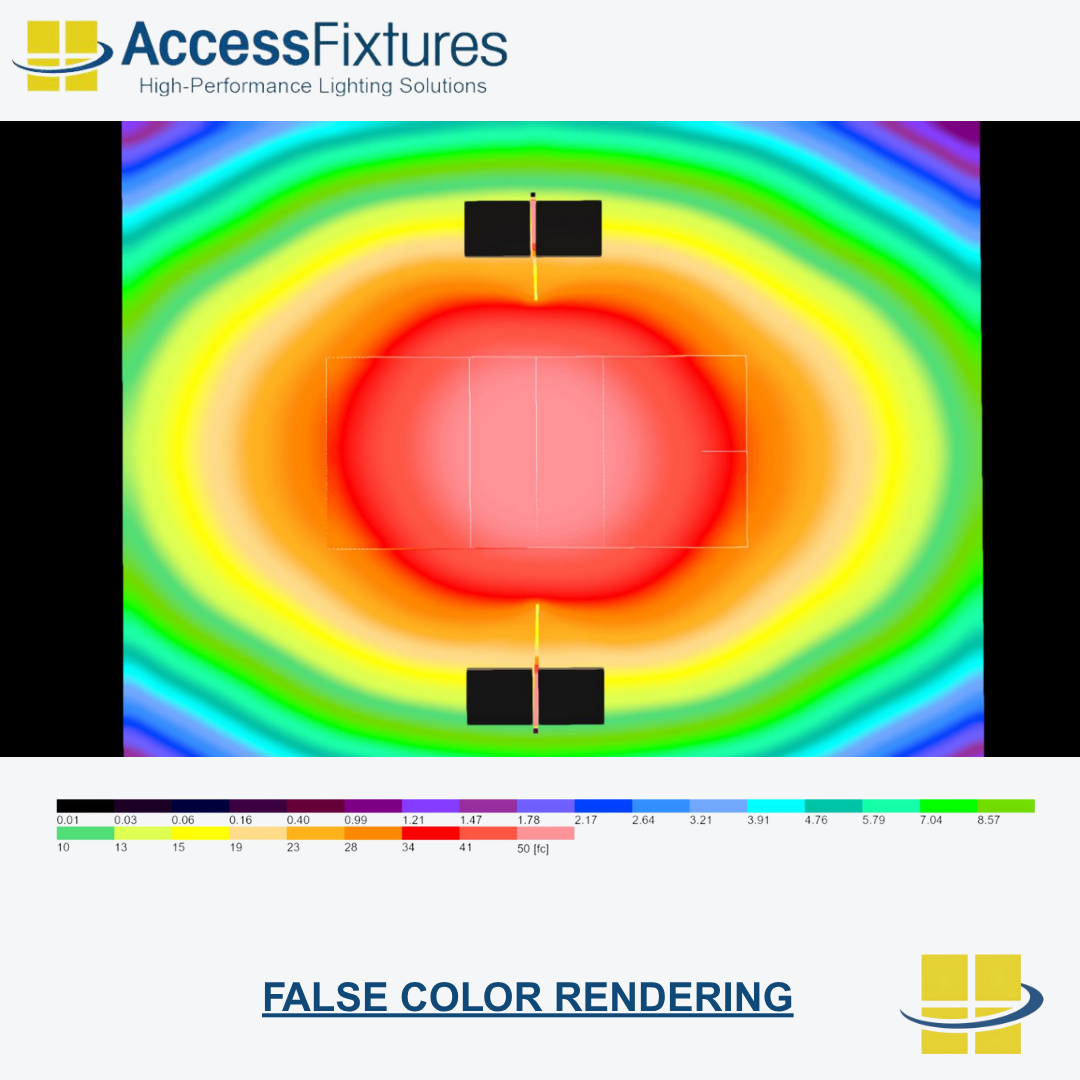
Safety and security are top priorities when it comes to pickleball court lighting. A well-designed lighting system ensures uniform illumination across the court, reducing shadows and minimizing glare that can distract players or obscure hazards. This level of visibility is crucial for preventing accidents, such as trips or falls, and for allowing players to track the ball accurately during fast-paced games. Additionally, adequate lighting around the court perimeter enhances security, deterring unauthorized access and making the facility safer for everyone. Investing in high-quality pickleball court lighting is an important step in creating a secure and welcoming environment for players of all ages and skill levels.
Enhanced Game Experience
The right sports lighting can make all the difference in the quality of play on a pickleball court. Proper lighting not only improves visibility of the court lines and the ball but also creates a vibrant, competitive environment that encourages players to perform at their best. High-quality sports lighting ensures that colors appear true and that the playing surface is evenly lit, reducing eye strain and enhancing focus. Whether for recreational play or tournament-level matches, investing in proper lighting elevates the overall game experience, making every match more enjoyable and engaging for players and spectators alike.
What Are The Technical Requirements for Optimal Pickleball Court Lighting?
Footcandle Count and Max/Min Ratio
Proper illumination of a pickleball court is essential for ensuring player safety and visibility. The key metrics to consider are the footcandle count and the max/min ratio.
- Footcandle Count: A footcandle is a unit of measurement for light intensity. For outdoor pickleball courts, the recommended footcandle count ranges from 30 to 50 footcandles. This level of illumination provides adequate visibility for players to track the ball and navigate the court without strain.
- Max/Min Ratio: The max/min ratio refers to the uniformity of light distribution across the court. A lower ratio indicates more uniform lighting, which is crucial for preventing shadows and dark spots that can hinder gameplay. The ideal max/min ratio for pickleball courts is 2.0 or lower, ensuring consistent illumination across the entire playing surface.
Achieving these technical requirements with solar lighting involves careful planning and design. The placement of solar panels, the angle of LED fixtures, and the capacity of the batteries all play a role in delivering the desired illumination levels.
What is The Best LED Solar Light for Pickleball Court Lighting?
The SUNA solar area lights are equipped with high-capacity batteries and highly efficient LEDs, designed with premium corrosion-resistant aluminum alloy and 316 stainless steel components. As a complete pickleball lighting solution, they incorporate advanced LED technology to deliver optimal performance for indoor courts. Their ultra-strong slip fitter ensures durability, and they are IP66 and IK08 rated for resistance to water and dust.
- Utilizes both direct lighting and indirect lighting to provide even illumination and reduce glare for enhanced player comfort.
- Engineered to ensure optimal light coverage across the entire court, maximizing visibility and meeting professional standards.
Features:
- High Efficiency: Delivering an impressive 195 lumens per watt, these lights maximize energy utilization for optimal brightness while minimizing power consumption.
- All-in-One Design: Simplifies installation and operation, providing hassle-free off-grid lighting.
- Cost-Efficient Operation: Utilizing solar power eliminates electricity bills, resulting in significant long-term savings and reduced maintenance.
- Enhanced Safety: Reduces the risk of accidents related to power outages, ensuring a safer environment for players.
- Environmentally Friendly: Solar energy offers a clean and sustainable power source, reducing carbon emissions.
- Flexible Installation: Can be installed virtually anywhere, effectively illuminating even the most remote locations.
- Robust Protection: Built to withstand harsh environments with an IP66 rating for water and dust resistance.

Programming Options:
- MPPT Controller: Optimizes panel performance by adjusting the electrical flow from the panels to get the most power possible.
- PWM Controller: Controls brightness by rapidly turning the lights on and off, adjusting the on-off cycle to manage brightness levels.
Easy Installation and Maintenance:
- Trench-Free Installation: Eliminates the need for trenching or cabling work, streamlining the installation process and reducing labor and material costs.
- Off-Grid Lighting: Ensures independence from the electrical grid, eliminating electric bills and providing reliable lighting.
To maintain optimal performance and prolong the lifespan of your lighting system, it is recommended to conduct periodic visual inspections to ensure all fixtures are functioning properly.
What Types of Batteries Are Used in Solar Pickleball Lighting Systems?
Solar pickleball lighting systems rely on batteries to store the energy generated by solar panels during the day and power the lights at night. Several types of batteries are commonly used in solar lighting systems, each with its own advantages and disadvantages.
Lithium-Ion Batteries:
Advantages: High energy density, long lifespan, and low maintenance. They are also lightweight and have a higher efficiency rate compared to other battery types. Disadvantages: Higher initial cost. Performance can degrade at extremely high temperatures.
How Do Charging Cycles and Temperature Affect Solar Battery Performance?
The performance and lifespan of solar batteries are influenced by charging cycles and operating temperatures. Charging cycles refer to the process of charging a battery from empty to full and then discharging it back to empty. Each battery type has a specified number of charging cycles it can undergo before its capacity diminishes. The following battery type is typically used:
- Lithium-Ion Batteries: Typically offer between 500 to 1,000 charging cycles. They perform best in temperatures between 0°C to 40°C (32°F to 104°F). Extreme temperatures can reduce their efficiency and lifespan.
Temperature plays a critical role in the efficiency and lifespan of solar batteries. High temperatures can accelerate the chemical reactions within batteries, leading to faster degradation and reduced capacity. Conversely, extremely low temperatures can slow down chemical reactions, reducing the battery’s ability to deliver power. To mitigate these effects, solar lighting systems often include temperature management features, such as ventilation and insulation, to maintain optimal operating conditions.
How Do Operating Temperatures Impact the Efficiency and Maintenance of Solar Lighting Systems?
Operating Temperatures
As previously mentioned, the operating temperature of solar batteries significantly affects their performance and longevity. Solar lighting systems installed in regions with extreme temperatures need to be designed with temperature management in mind. This includes selecting appropriate battery types, incorporating cooling or heating elements, and ensuring proper ventilation.
- Hot Climates: In regions with high temperatures, lithium-ion batteries may require additional cooling systems to prevent overheating. Lead-acid batteries, while more tolerant of heat, may still benefit from shaded installations or ventilated enclosures to maintain optimal performance.
- Cold Climates: In colder regions, batteries may need insulation or heating elements to prevent freezing and ensure efficient discharge cycles. NiCd batteries are well-suited for such conditions due to their ability to perform well in low temperatures.
Additional Pickleball Court LED Lighting Resources
How Should Solar Pickleball Lights Be Placed and Oriented for Optimal Performance?
Proper placement and orientation of your solar-powered court light are essential for achieving the best possible court vision and lighting performance. To maximize the energy captured from the sun, solar panels should be installed facing true south (in the Northern Hemisphere) and positioned at an angle that matches your local latitude. For pickleball courts, mounting the lights at approximately 16 feet above the playing surface is recommended—this height provides broad, even illumination while minimizing glare that could distract players or block their view of the ball. SUNA solar-powered pickleball court lights feature a slip fitter mount, making setup and adjustment straightforward. This easy setup allows you to fine-tune the orientation of each light, ensuring that every corner of the court is well-lit and that players can enjoy their game safely, no matter the time of day. By carefully considering placement and orientation, you not only improve the quality of your lighting but also provide a more enjoyable and secure environment for everyone on the court.
How Durable and Weather-Resistant Are Solar Pickleball Court Lights?
When selecting a solar-powered court light for your pickleball court, durability and weather resistance are key factors that ensure long-term performance and value. The SUNA solar-powered pickleball court light is engineered with a die-cast aluminum housing and finished with a black powder coat, making it highly resistant to rust, corrosion, and the harshest outdoor conditions. Its commercial-grade solar panel and battery are built to withstand rain, wind, and extreme temperatures, so you can count on reliable lighting year-round. With a shipping weight of 150 lbs, this product is designed for stability and longevity, even in high-traffic or exposed locations. The easy installation process means you can have your lighting system up and running quickly, while the durable construction minimizes the need for ongoing maintenance. By choosing a weather-resistant solution, you’re making a smart investment that will provide consistent, high-quality lighting for your players and your court for years to come.
What Compliance and Regulations Should You Consider for Pickleball Court Lighting?
Ensuring your pickleball court lighting meets all relevant compliance and regulatory standards is essential for both safety and peace of mind. The solar powered court light is designed to align with the lighting requirements set by organizations such as Pickleball USA, providing the bright, uniform illumination needed for safe and enjoyable play. With a powerful output of 12,000 lumens, this lighting system minimizes glare and enhances court vision, allowing players to focus on the game without distraction. Before installation, it’s important to review local regulations and consult with lighting experts to confirm that your system meets all necessary codes and standards. By choosing a compliant solar powered court light, you not only provide a superior playing experience but also protect your facility from potential liabilities. Properly regulated lighting is a crucial part of making your court a welcoming and secure place for all players.
Case Studies and Real-World Examples
Real-world installations of the SUNA solar-powered pickleball court light showcase the tangible benefits of this innovative lighting solution. For example, a local park recently upgraded its pickleball courts with these solar lights, resulting in improved player safety, increased evening play, and positive feedback from the community. The easy installation process and minimal maintenance requirements made it a practical choice for park management, while the solar design helped reduce energy costs and environmental impact. In another case, a private court owner installed SUNA solar-powered sport lights and noticed a significant boost in player engagement and overall game quality, thanks to the bright, even lighting. These examples highlight how the right lighting product can transform a court, making it more accessible and enjoyable for everyone. To read more about customer experiences, visit our review page. If you have questions or need help finding the perfect fit for your court, click the contact link or email our team. We are here to help you improve your pickleball lighting and make every game shine.
Conclusion
Solar pickleball court lights provide a sustainable, cost-effective, and efficient solution for illuminating pickleball courts. By harnessing the power of the sun, these systems eliminate the need for costly trenching and reduce energy expenses, while qualifying for various tax incentives. Properly designed solar lighting ensures optimal illumination with uniform light distribution, enhancing player safety and the overall game experience. Durable, weather-resistant construction and easy installation make these systems ideal for both residential and commercial courts. As pickleball continues to grow in popularity, adopting solar lighting is a smart investment that benefits the environment, the community, and players alike.
Solar Pickleball Court Lights Frequently Asked Questions (FAQs)
Can I buy solar pickleball court lights for my backyard court?
Yes, solar pickleball court lights are available for residential use and can be easily installed in backyard courts to provide efficient and reliable lighting for evening play.
How do solar pickleball court lights save on installation costs?
Solar lighting systems are self-contained and do not require trenching or extensive electrical wiring, which significantly reduces labor and material costs during installation.
Are there any financial incentives for installing solar pickleball lighting?
Many governments offer tax rebates and incentives to encourage the use of solar energy systems, making the initial investment more affordable.
How long do solar pickleball court lights operate on a single charge?
High-quality solar lighting systems with efficient batteries can provide illumination for up to 16 hours on a full charge, ensuring uninterrupted play even after cloudy days.
What maintenance is required for solar pickleball court lights?
Solar lighting systems require minimal maintenance, mainly periodic visual inspections to ensure all components are functioning properly and to clean solar panels if necessary.
Can solar pickleball lights withstand harsh weather conditions?
Yes, these lights are designed with durable, weather-resistant materials such as powder-coated aluminum and stainless steel components to withstand rain, wind, and extreme temperatures.
How can I ensure optimal lighting performance on my pickleball court?
Proper placement and orientation of solar panels and LED fixtures, along with adherence to recommended mounting heights and lighting standards, are essential for achieving uniform and bright illumination.
Are solar pickleball court lights scalable for multiple courts?
Yes, solar lighting systems are modular and can be scaled to accommodate multiple courts or expanded as your facility grows.
What is the typical shipping weight of solar pickleball court lights?
Many solar court lights, like the SUNA model, have a shipping weight of around 150 lbs, making them manageable for installation by professionals or experienced DIYers.
Where can I get help with installation or technical questions?
You can contact the lighting supplier’s customer service team via email or phone for expert advice, installation guidance, and product support.